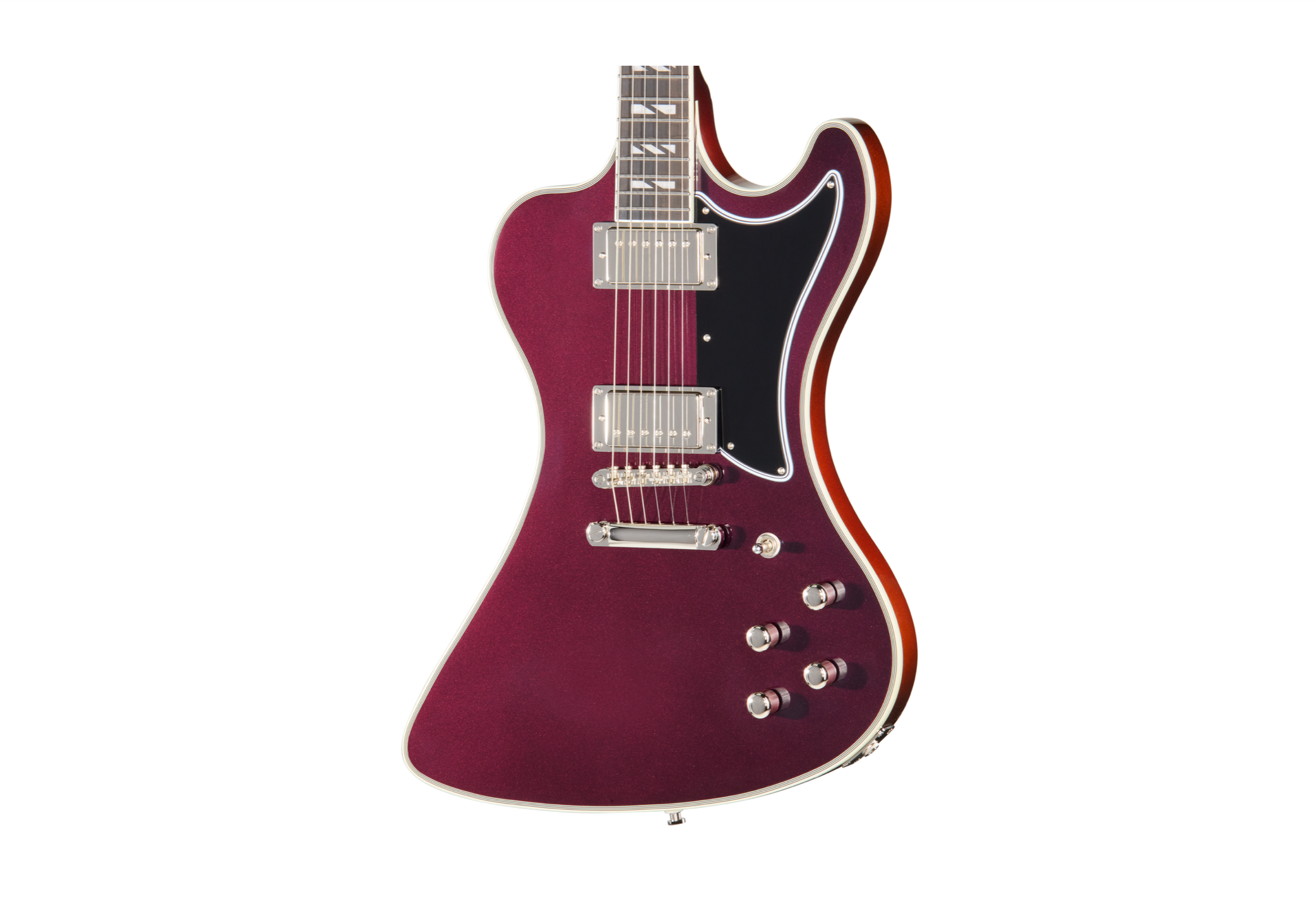
What happens when you mash the single cutaway of a Les Paul, the bass side horn of an Explorer, with a slightly enlarged and warped body of a Firebird? The Epiphone Futura RD Custom.
Originally introduced by Gibson in 1977, the RD – short for Research & Development – was designed for guitar players with an interest in synthesisers. Select models featured Moog-designed circuit boards offering switchable bright mode, treble and bass boost, compression and expansion. Players found those circuits harsh-sounding, and the line was discontinued by 1982. Despite its short run, the RD has built a steady cult following over the years, with Dave Grohl, Nameless Ghoul, Lee Malia and Daniela Villarreal among its advocates. As the body shape has grown in popularity, Epiphone – Gibson’s sister company – has brought it back through its Futura line, giving the RD a modern makeover.
Catch up on all the latest reviews here.
At almost half a metre long, this is the longest-bodied guitar I’ve played – though once it’s in your hands, that length becomes a non-issue. The scale length is also slightly longer than most Epiphones, measuring 647.7mm/25.5in compared to the standard 628.65mm/24.75in.
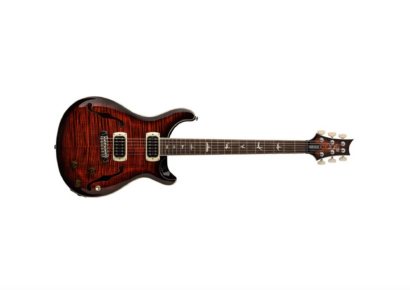
Two finishes are on offer: Twilight Shift and Midnight Ember Shift. The Midnight Ember Shift is, in my opinion, the most eloquent of the entire Futura range. This finish gives an air of sophistication, with colour shifts from deep burgundy through caramel to grape purple.
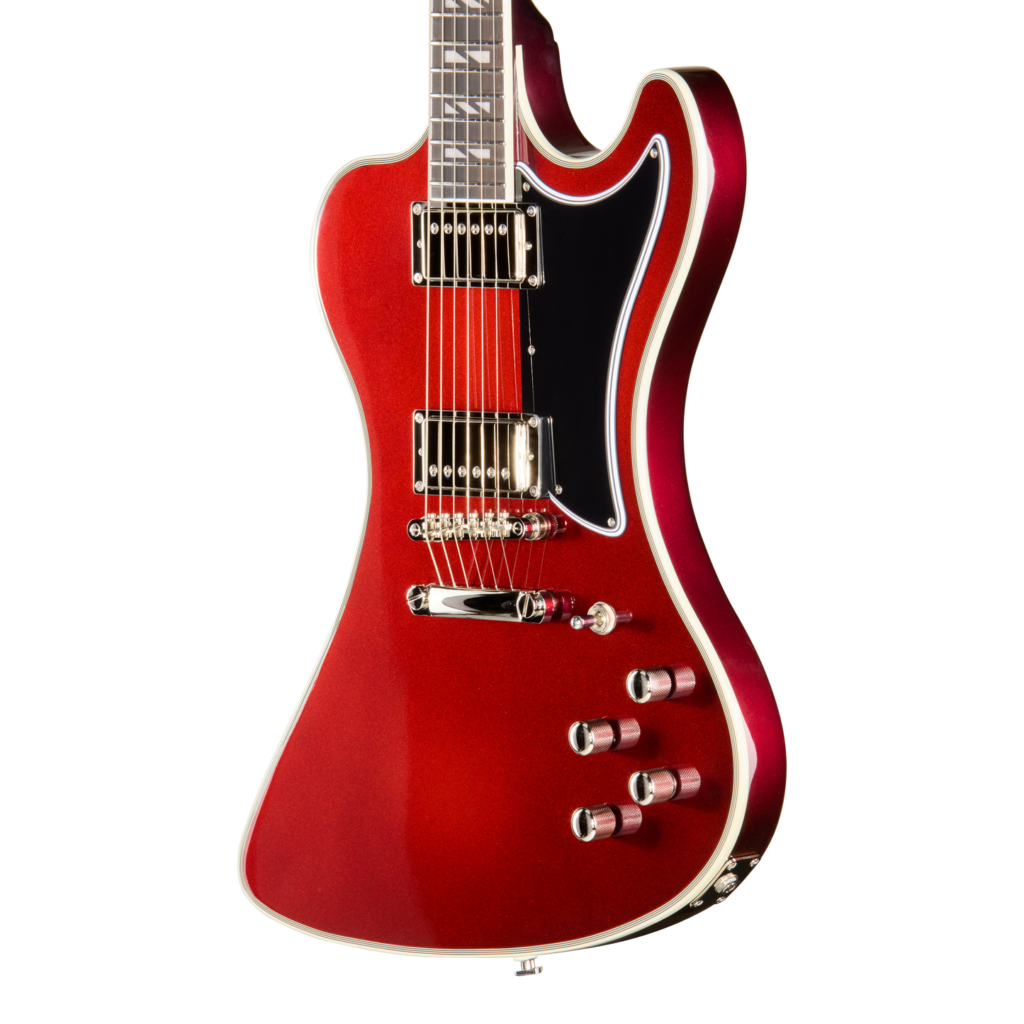
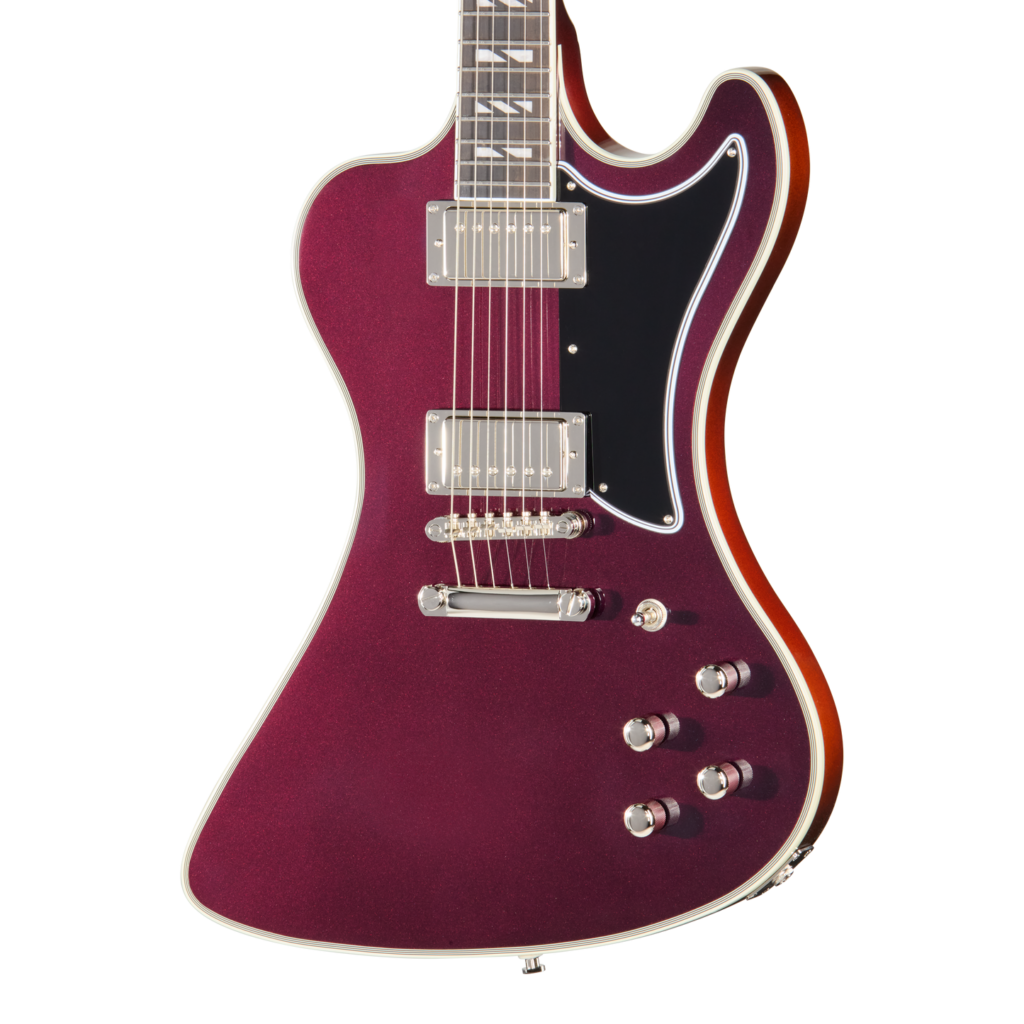
The neck is made from mahogany and features a modern C shape. However, when the neck meets the body at the seventeenth fret, the neck becomes blocky, which could cause some hindrance to the upper frets. With a mahogany body, the RD Custom has 7-ply white and black binding around the top. The back features a tummy contour carve for comfort, though the contour carve may not make a huge difference depending on where the guitar sits on your body. This could be down to where Epiphone’s Posi-Lok strap buttons are located. In this example, the button is on the bass horn, whereas the RD displayed on Epiphone’s website is on the neck heel.
The ebony fretboard has a compound radius of 10 in. to 14 in./254 mm to 355.6 mm with 22 stainless steel medium jumbo frets. Out of Epiphone’s premium gig bag, all frets feel incredibly smooth; there appears to be no gritty frets or sharp fret ends. It’s worth noting that the intonation on this example needed adjustment out of the box – most of the strings were sharp when fretted at the twelfth fret, though it’s an easy fix with a quick search.
Hardware is nickel-plated, though it reads more chrome than the warm yellow-brown typically associated with nickel. The pickup covers, tailpiece and control knobs share that same shiny finish, making for a clean contrast against the Midnight Ember Shift. Rounding out the hardware spec is a LockTone Tune-O-Matic bridge, LockTone Stop Bar tailpiece and Grover Rotomatic locking tuners.
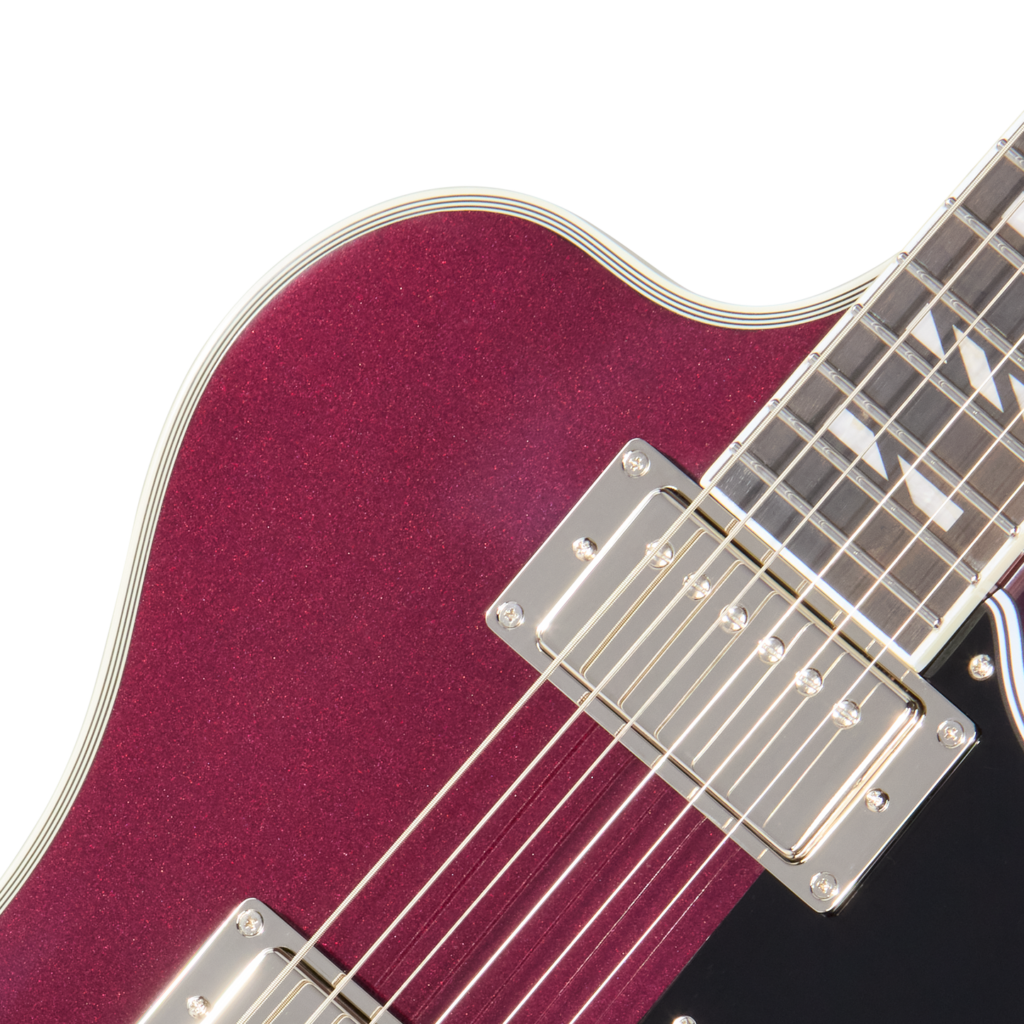
Electronically, the RD has the same functionality as the rest of the Futura series, with Epiphone’s ProBucker Ignite humbuckers that can be coil split as well as phase reversed on the neck pickup, offering 21 different tonal combinations. That said, the RD still has a sound that feels distinctly its own.
One thing the RD doesn’t suffer from is a dark and woolly neck pickup. Even with the volume and tone rolled back, it remains a usable sound, and there’s a rather pleasant jangle to it when the split coil is engaged. The pots have a non-linear response – both volume and tone shift dramatically in the upper range – but once you’re across it, it becomes a handy way to quickly move between sounds. When both pickups are engaged, the RD offers a lot of tonal range; small adjustments can take you from a fairly conventional middle-position sound to something much more textured and filtered. The bridge pickup has a mid-range, cocked-wah quality with a pronounced, edgy character that blends surprisingly well with the neck.
I should mention that most of this testing was done through a clean amp – and in doing so, it became pretty clear that the RD wants to be played with gain. It loves it. That edge in the bridge pickup smooths out completely, and the guitar feels far more in its element. The coil splits and phase effects are less dramatic at full volume with gain in the mix, but the core sound at that point is compelling enough that you won’t miss them.
While Epiphone has marketed the Futura RD Custom towards players who downtune their guitars because of its longer scale length, I don’t believe this should be the only case for purchasing one. Epiphone has managed to shake off the vibes of the late 70s and early 80s RDs and has turned it into a modern instrument. Whether you’re the high gain, downtuning type, someone who loves to experiment with sounds, or just wants a great-looking and feeling guitar with electronics that are rarely found in a guitar at this price point, the Futura RD Custom might be the guitar you’re looking for. If you get the chance to play one, do not pass it up, as I do believe this will be a rather popular Futura model.
For local enquiries on Epiphone, head here.