The active River Series box converts USB-C audio to two balanced XLR outs, with isolated outputs and 32-bit/192 kHz conversion.
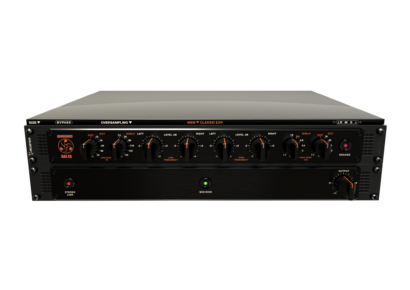
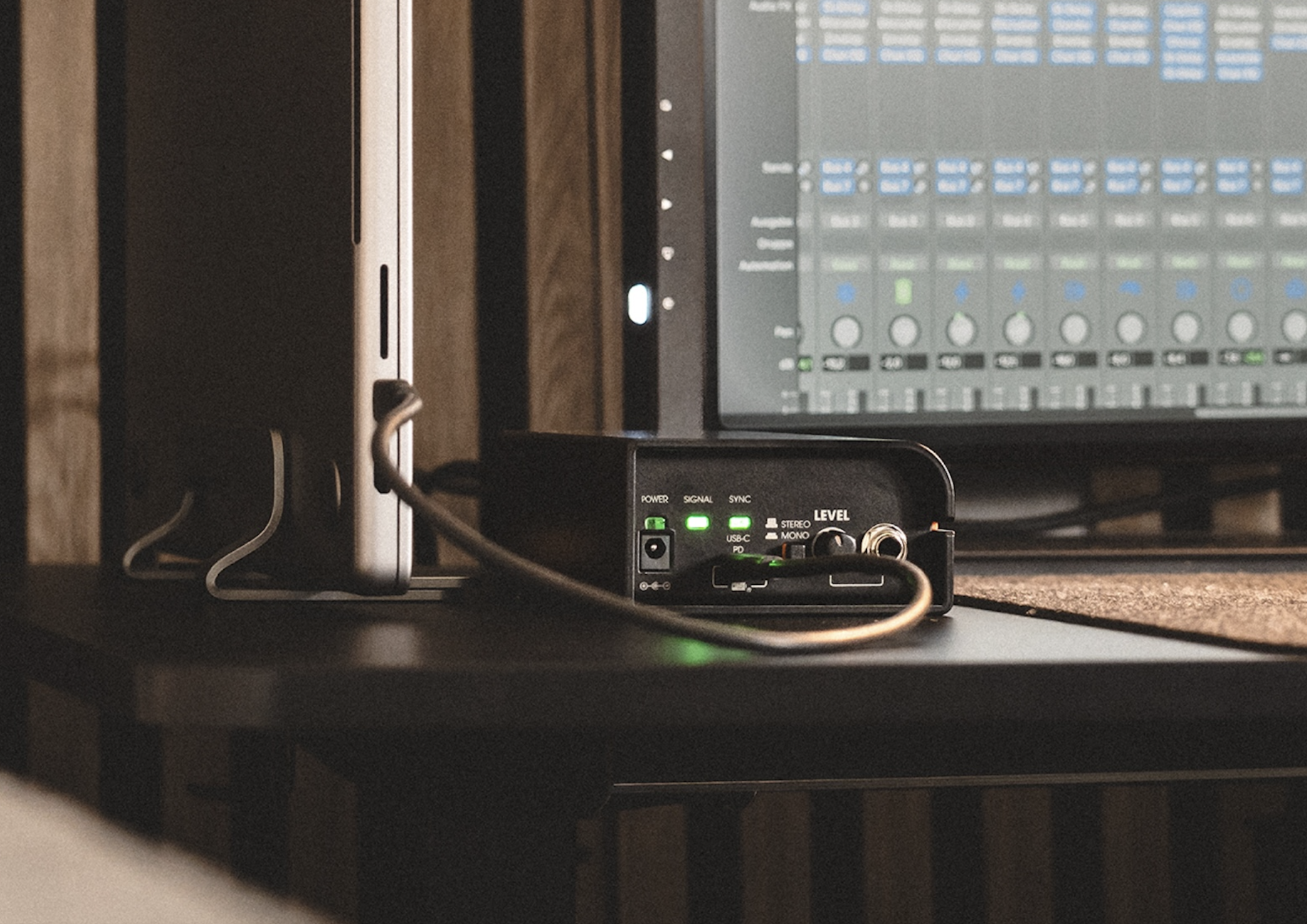
Palmer has added the River Spree to its River Series, an active stereo DI box built to take USB-C audio from a laptop, phone or tablet and turn it into two balanced XLR signals ready for a mixer, stagebox or PA.
Catch up on all the latest news here.
Rather than using a studio interface live, the Spree is purpose-built for the job. It converts the digital signal at up to 32-bit/192 kHz, and the XLR outputs are isolated to keep hum and buzz out of the sound, which is the usual problem when you connect a device to a big PA. A Mic/Line switch sets the output to suit whatever you’re plugging into, be it a mixing desk, a stagebox or an interface, and a ground-lift switch gives you another way to clear up any unwanted noise. The 6.3mm headphone output lets you monitor what’s going out, or acts as an extra output, and the SIGNAL, SYNC and POWER lights show you at a glance that everything’s connected and running.
The Spree runs off the connected USB-C device or the supplied mains adapter, so on bus power alone it’s ready to go straight away in spots without a spare power point. With the adapter in use, USB-C power pass-through charges the connected device at the same time, keeping a phone, tablet or laptop from going flat during a longer set.
For content creators and home studios, the Spree also works as a compact USB-C D/A interface, sending clean audio out through the headphone output without extra drivers to install or additional hardware to configure.
The metal housing is made for touring and daily stage or mobile use, and at 575g in a 140 × 50 × 128mm box it stays out of the way in a gig bag. It runs a 20Hz–20kHz frequency response, a maximum output level of 18 dBu and a signal-to-noise ratio of 112 dB, with THD+N at 0.015 per cent.
For local enquiries on Palmer, head here.