Triple R’s events producer Beź Zewdie tells Mixdown about everything that goes into a Live at RRR broadcast.
Triple R is an integral cog in Melbourne’s music scene. For the last 50 years, the station’s volunteer broadcasters have been giving airtime to local music of all stripes, from defiantly underground weirdos to future stars.
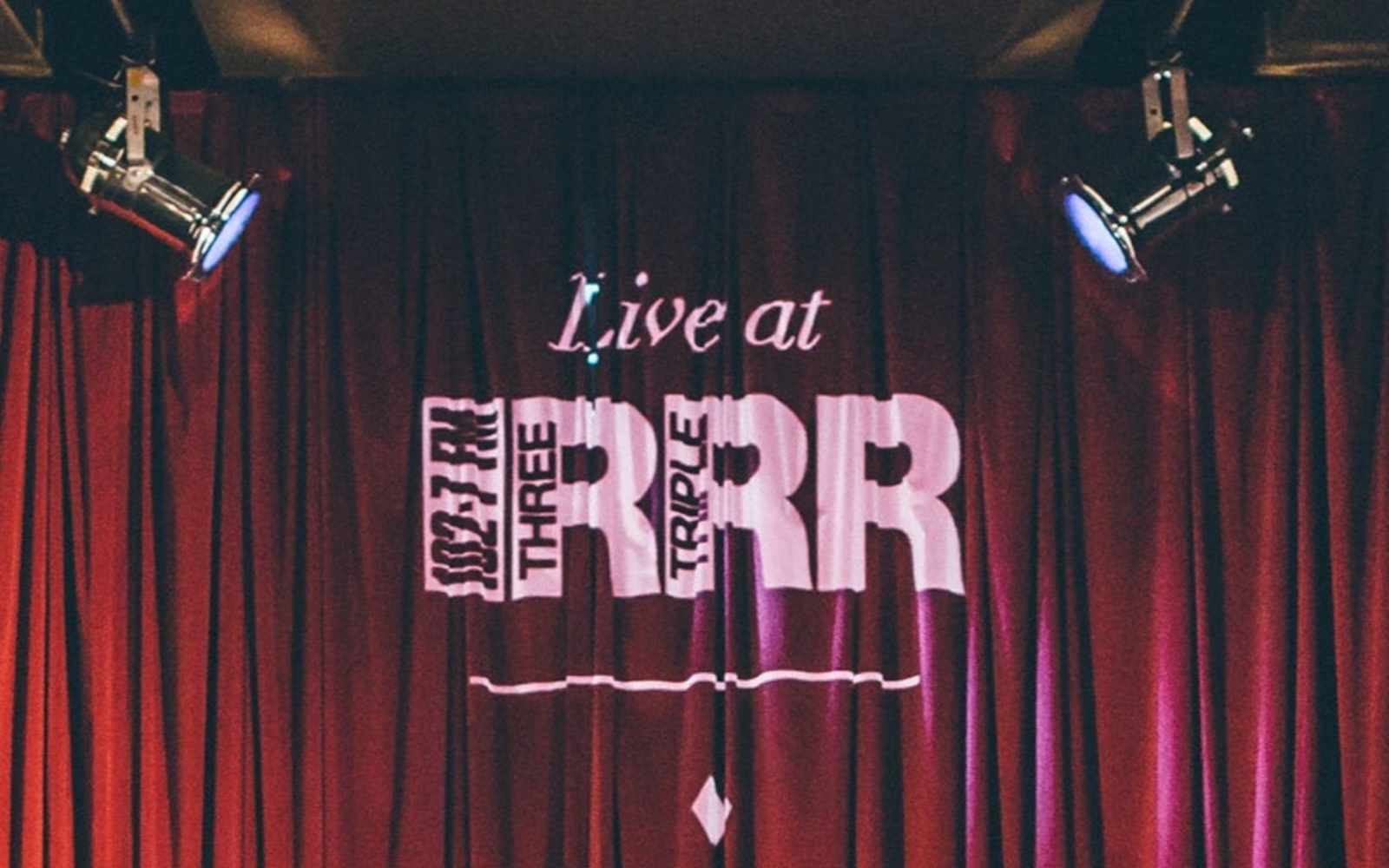
The station has also been broadcasting live-to-air performances for decades, but it wasn’t until June 2022 that Live at RRR became a permanent fixture of the Triple R program grid.
Catch up on all the latest features and interviews here.
In the nearly four years since its launch, the program has welcomed local acts such as Floodlights, Wrong Way Up, Folk Bitch Trio and Brown Spirits, First Nations acts Barkaa, Ripple Effect Band, DRMNGNOW, Ziggy Ramo and RONA., and touring internationals Kuniyuki, Nikki Nair, Dry Cleaning, Jessica Pratt, Obongjayar, and many more.
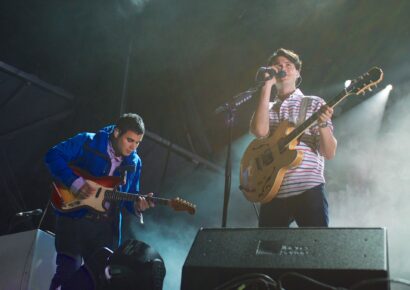
The show airs at 7pm every Friday. The performances are all recorded in the Triple R Performance Space in front of an audience of Triple R subscribers. Beź Zewdie, the station’s events producer tells Mixdown what goes into getting Live at RRR off the ground every week.
Booking the artists
“There are three of us on staff in the programming department that work on booking Live at RRR and brainstorming what our lineups will look like.
Across the month, we want to have a mix of newer artists, bigger artists, and homegrown, legacy, core Triple R artists. Basically, it’s what will resonate with our subscribers, what will resonate with our audience, and what will resonate with our presenters?
And then another thing is, we look at representation. It’s a huge, huge priority, especially for me, to make sure that across the whole year, I’m zooming out to see where we’ve leaned into genre-wise, what kind of First Nations or Black artists we’ve had throughout the year, younger artists versus older artists, and women and queer folks, non-binary folks, all that sort of thing.”
Putting together the team
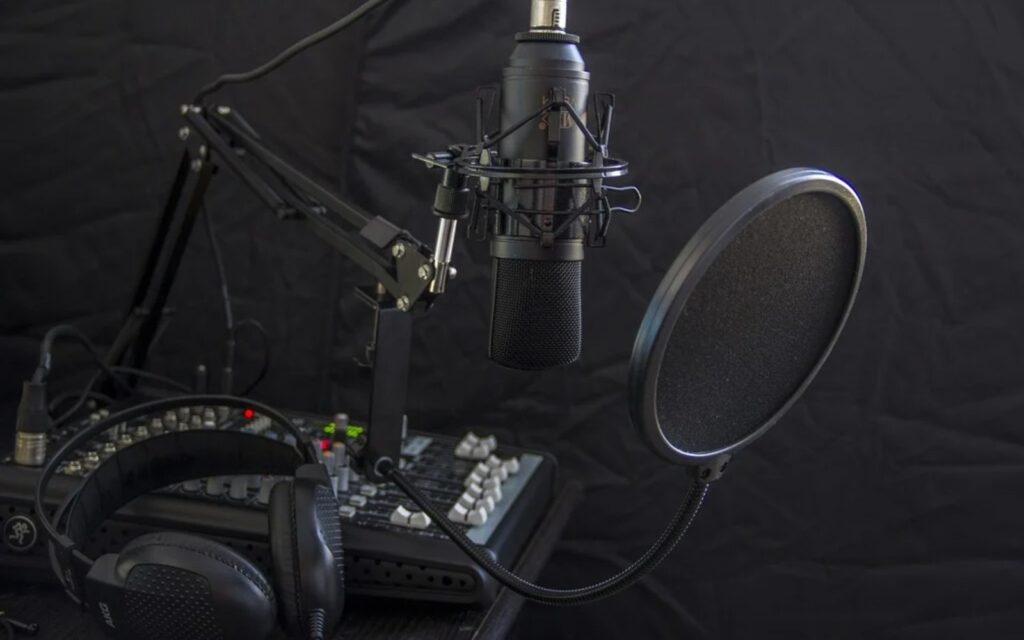
“We need one sound engineer to take care of sound in the venue and then another sound engineer to take care of sound for the live broadcast side of things. We pay a videographer to film as well as edit and colour grade, and usually, within two weeks, we like to have the video published.
Once I’ve got the techs locked in and the videographer locked in, that’s the contractors out of the way, then I move on to our volunteer team. These events wouldn’t happen without volunteers. I send out a big email to our volunteer database, to people who’ve put their hand up to say that I’d love to help out with events.
We have two bar volunteers and two door volunteers. Then we’ve got our station representative, which is usually someone who has been involved with RRR on a long-term basis. They’ll greet people as they enter and offer to give station tours.
Then we have the stage assistant, who is a volunteer who helps the sound engineers with anything they need. That’s usually a student or an experienced sound engineer or roadie or stage tech.
Then we’ve got the studio monitor volunteer. The sound from the stage feeds through to our front of house engineer and our broadcast mix engineer, and once it filters through the broadcast mix engineer, it goes to one of our studios. So we need a volunteer to bring up this sound that has been so carefully mixed by our engineers.
We also have a photographer who takes beautiful photos of the performance, of the audience, and of the station at each event. I’ve got security contractors who will lock in for every event, but they’re paid. And then we have our online coordinator who takes some snaps and some footage to promote the event online.”
Pre-show logistics
“Once I’ve put together the team for the day, I start getting into like real logistical stuff, going back to the artists or their managers and going, do you need backline? Do they have any dietary stuff? Do they have special requests for the band room?
Backline is not something we can always offer. If we had the money, we would offer it every single time. We work with Melbourne Backline, who are located pretty close to us and we have a contra deal with them. So they offer us a friendly discount, and we give them extra promo on the station to our audience.
There are a lot of parts of Live at RRR where we rely on the goodwill of our friends in the community. Stomping Ground give us free drinks, and we give them free promos. That’s a huge help because we’re able to sell those drinks and bring in a little bit of money. We also have Factory Sound Australia, who have helped us get some really cool tech for our engineers at a discount. We also have a new partnership with SAE, which is a music school, and we’re working with them to make the performance space something that they can incorporate into their courses.
Live at RRR runs for an hour. The most hectic part of it is the five minutes before showtime. That’s when people are like, “Oh, actually I need to go to the bathroom” or “How long do we play again?” I’ll see someone who’s supposed to be stationed at the other side of the building in front of me. And I’m like, “What are you doing here?”
Why it works
“Live at RRR goes from 7 to 8pm on a Friday. It’s late enough that someone could finish work in the city and make it here in time, but also early enough that it’s not going to eat into another gig that’s happening, or you can make social plans afterwards.
The affordability has been something that’s been commented on in the past because, with the way that the economy is going right now, a lot of music fans have had to forego gigging. You have to be a subscriber to be eligible to attend these shows. If you’re going for a full subscription, which is $95 annually, you pay that once a year and then you automatically qualify to enter the giveaways.
One of the big reasons why Live at RRR has stuck around is because it’s a unique offering that we can provide to our community and our subscribers. But also for us, being a community radio station that is always looking to grow, we’ve found that this show has been a huge plus for getting new subscribers in. People come for the interesting, really diverse lineups, and the affordability of it.”
Diversity on stage, diversity in the crowd
“What I’ve noticed from 2022 to now is that I’m seeing more diversity in the crowd, and that’s been a huge goal of mine. Having a diverse crowd is actually a lot harder than having a diverse lineup. In order to have a diverse crowd, you need to actually change the culture within that space, and that’s really hard to do. But it’s something that we’re really, really committed to.
There are different things that we’re doing that are slowly diversifying and growing the audience. One key thing that we do is we offer free tickets to friends of Triple R. So, that’s different community organisations that we have a friendship with that maybe cater to younger people or they’re multicultural organisations, First Nations organisations.
We also have a separate email address at Triple R, which is [email protected], where First Nations folks within the community, who don’t have to be subscribers, can email us and no questions asked, we’ll put them on the door.
We’ve partnered with Amplify, which was formerly known as Freeza, which is a local crew of cool, talented, knowledgeable young people, to help run free events in the Triple R performance space for underage folks – accessible, affordable events for them.
Those are just some small ways we’re trying to get around any barriers, particularly financial barriers, or people feeling like they’re not part of this community.”
You can support Triple R and the continuation of community radio by becoming a subscriber here.