A V-Mod III Strat pickup and a push-push neck pickup switch turn Fender’s working Tele into a six-voice studio machine.
The Fender Telecaster as we understand it is a two-pickup guitar with a bolt-on neck, a 25.5″ scale length, a bridge pickup housed in the bridge assembly itself and a body that looks kinda like a cutting board – and indeed you can get actual Fender cutting boards in Telecaster shapes, but I digress. The point is, in most guitarists’ minds, the Telecaster is a certain thing, and for a lot of players, it’s a formula best left mostly as is. Fender has taken it in all sorts of directions over the years, from the Jim Root Telecaster with its dual active EMG pickups to John 5’s Floyd Rose-equipped model, but for traditionalists the classic ways to modify a Telecaster are with some kind of cool archaic machinery (Bigsby, B-Bender) or by changing the pickups (a humbucker is perfectly acceptable in the neck position and you can thank Albert Collins for that, if not Keith Richards).
Now, this is all going the long way around to get to the Nashville Telecaster idea. The Telecaster is the ultimate recording guitar because of how it sits in a mix, but there are some sounds you wish you could reach for a Strat for, and then you’re left with the problem of a Strat not being a Telecaster. So a bunch of influential players, particularly in the Nashville session scene, figured out that a Stratocaster pickup would be a perfectly acceptable mod for a Tele that kept it close to its roots. For a long time, guitars with this configuration were known as ‘Nashville’ Telecasters, first informally and then officially via a succession of models.
Catch up on all the latest reviews here.
The thing is, a name tied to a particular music city can also tie a guitar to a genre. ‘Nashville’ implies ‘country’, so it might not occur to some players to try this configuration if they’re not specifically chasing a Nashville sound.
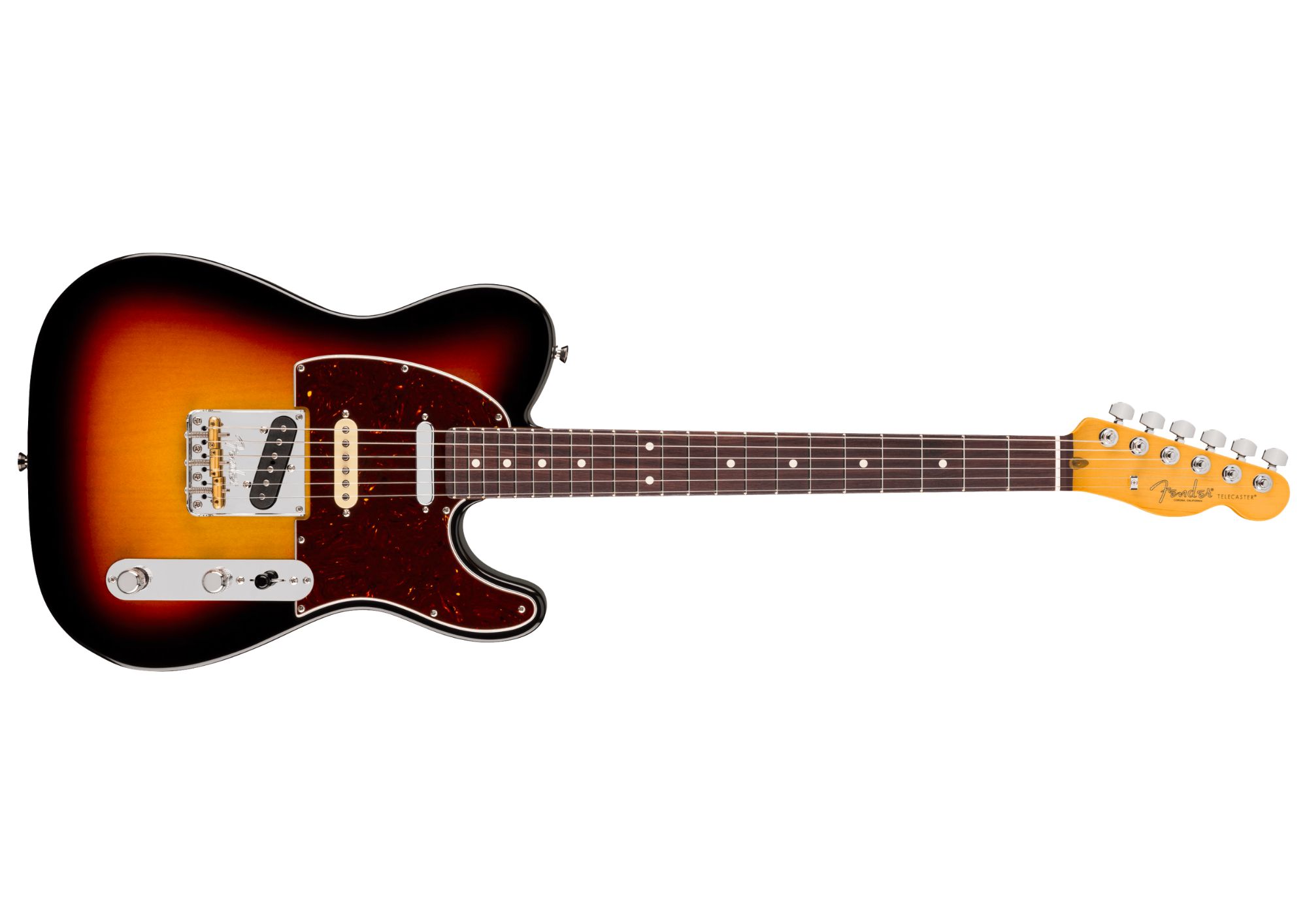
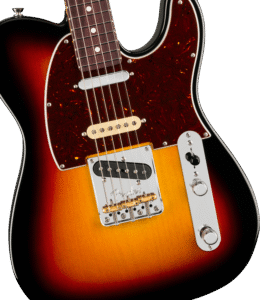
And that’s where the new Fender American Professional HotShot Telecaster comes in. It’s the latest entry in this long-running line, and Fender has given it the HotShot moniker, which I think is a great idea, because all sorts of players can benefit from the extra sounds this configuration brings. The Stratocaster pickup in the middle position gives you five settings on the selector, including those coveted ‘in-between’ Stratocaster sounds, and a push-push tone control brings the neck pickup into the mix, so the classic Tele bridge-and-neck combination is still there when you want it. You’ve got an unstoppable studio machine capable of its original three Telecaster tones plus three other choices courtesy of the Stratocaster pickup.
The pickups are Fender’s new V-Mod III single-coils – two Telecaster pickups at the neck and bridge with a Stratocaster pickup in the middle – which Fender has voiced for balanced output, string-to-string clarity and touch sensitivity. Because all three come from the same family, the Tele and Strat voices sit nicely alongside each other rather than feeling bolted together.
Hardware-wise there’s a new top-load/string-through Telecaster bridge with three compensated brass Bullet saddles, so you can choose whether to string it through the body or load it from the top, and the controls run through Fender’s ClassicGear Precision pots for a smoother sweep.
The controls are a five-way pickup selector, a master volume and a master tone, with that push-push function on the tone knob adding the neck pickup.
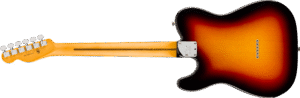
Our review model came in 3-Colour Sunburst over an alder body, and it’s about as classic as a Telecaster gets. The burst fades from a dark edge into a warm amber centre and the tortoiseshell pickguard sits right at home against it, while the rosewood fingerboard that comes with this finish keeps the whole thing looking suitably old-school. It’s the kind of guitar that looks like it’s already done a few decades of sessions before you’ve even plugged it in.
Probably my favourite thing about this guitar, other than the tonal flexibility, is the Deep ‘C’ neck with its rolled fingerboard edges, 9.5″ radius and 22 narrow-tall frets, plus a newly sculpted heel for easier access up top. It’s very playable, easy to bend, slide, hammer on and add vibrato to, and it seems to support long playing sessions easily.
The best way to get a feel for this guitar’s flexibility is to spend a few minutes on just the Telecaster pickups, getting to know their crisp highs, tight lows and the slightly compressed feel of the attack. Then when you kick over to that Stratocaster pickup you’ll immediately hear an entirely new voice, much more midrange-heavy and with a softer attack. It made me want to play Jeff Beck licks for some reason, until I reached for a whammy bar that wasn’t there. But yet again I digress. The point is, the switch in musical character is instant and undeniable and almost feels like a parlour trick. Oh, you think you’re about to hear a Telecaster? BAM. Strat. Oh, did I just go from Roy Buchanan to “Sultans of Swing” on a guitar that looks like a chopping board? Hell yeah I did.
Is this the ultimate form of the Telecaster, a three-pickup, multi-voiced stealth agent? Hard to say. Not everybody needs that extra pickup, and some players are perfectly happy getting their Strat tones from a Strat and their Telecaster tones from a Telecaster without worrying about the whole thing. But with its new name, this guitar isn’t just for hotshot Nashville session players anymore, so you’re free to use it to become your own kind of HotShot.
For more information, head here