The organisation is marking its centenary with a year-long program of events, celebrating Australian and Aotearoa New Zealand songwriting history.
100 years ago this month, six music publishers gathered in Sydney with the simple yet revolutionary idea that songwriters and composers deserve to be paid when their work is performed. That meeting established the Australasian Performing Right Association, which has since grown into APRA AMCOS—Australia and Aotearoa New Zealand’s largest music rights management organisation, representing over 128,000 music creators today.
Catch up on all the latest news here.
APRA AMCOS is marking 100 years with a year-long celebration of Australian and New Zealand songwriting, kicking off with a digital history timeline today, named APRA: A Century of Song.
“From the licensing of dance and radio broadcasts in the 1920s to protecting creators’ rights in the AI era, APRA has evolved alongside the music it serves,” says APRA AMCOS CEO Dean Ormston. “This centenary isn’t just about looking back—it’s about celebrating the enduring value of songwriting to our culture, identity, and our two nations.”
The timeline captures 100 years of defining music and cultural moments across both countries. From the famous Aeroplane Jelly jingle in 1930 to Lorde’s worldwide breakthrough in the 2020s, it’s a nostalgic walk through Australasian songwriting history.
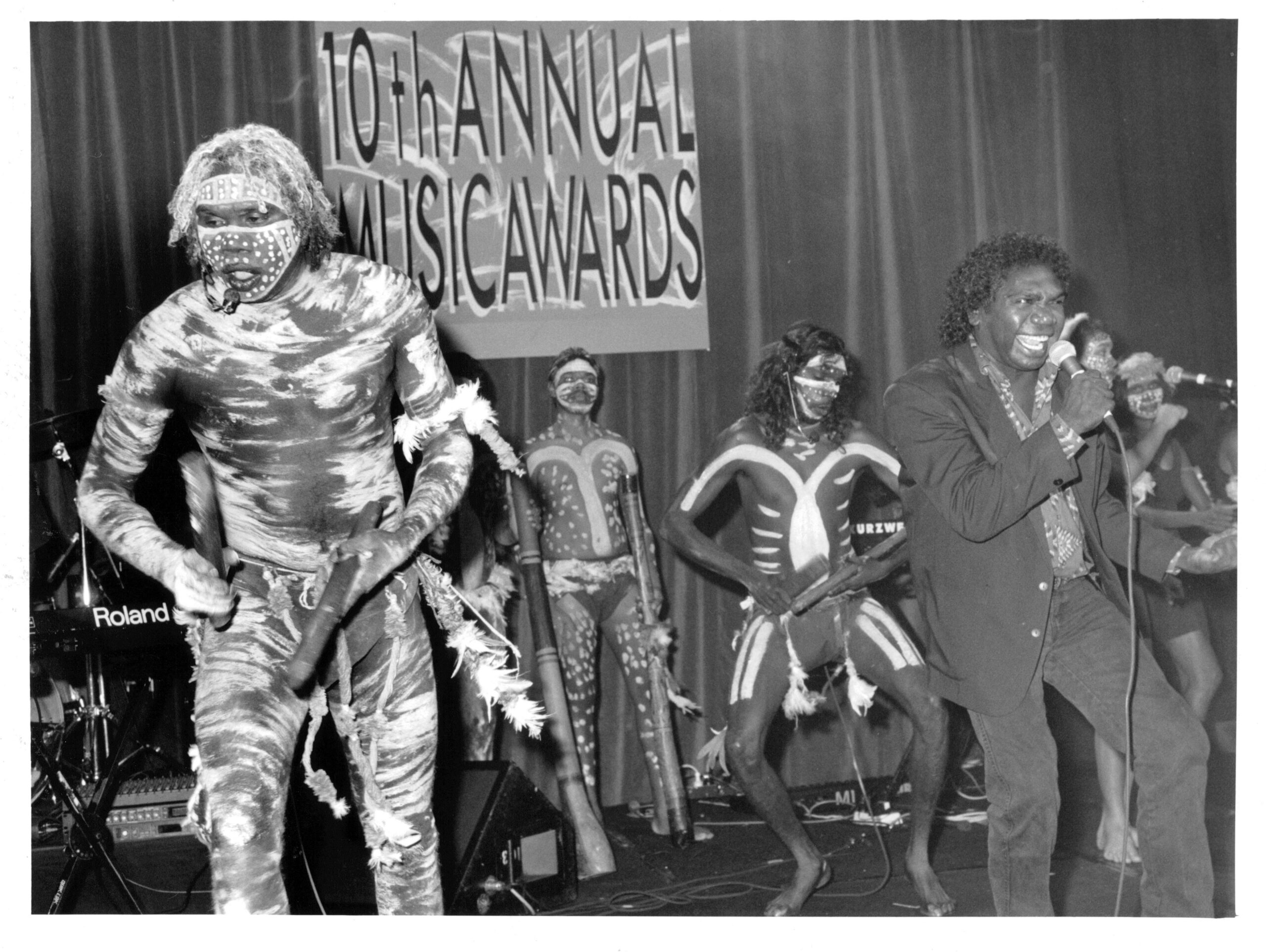
Key milestones include Johnny O’Keefe bringing rock ‘n’ roll to Australia with “Wild One” in 1958, AC/DC and Midnight Oil taking pub rock global in the 1970s, Kylie launching her music career with “Locomotion” in 1987, OMC’s “How Bizarre” bringing Urban Pasifika sound worldwide in 1995, and Christine Anu’s version of “My Island Home” at the Sydney 2000 Olympics.
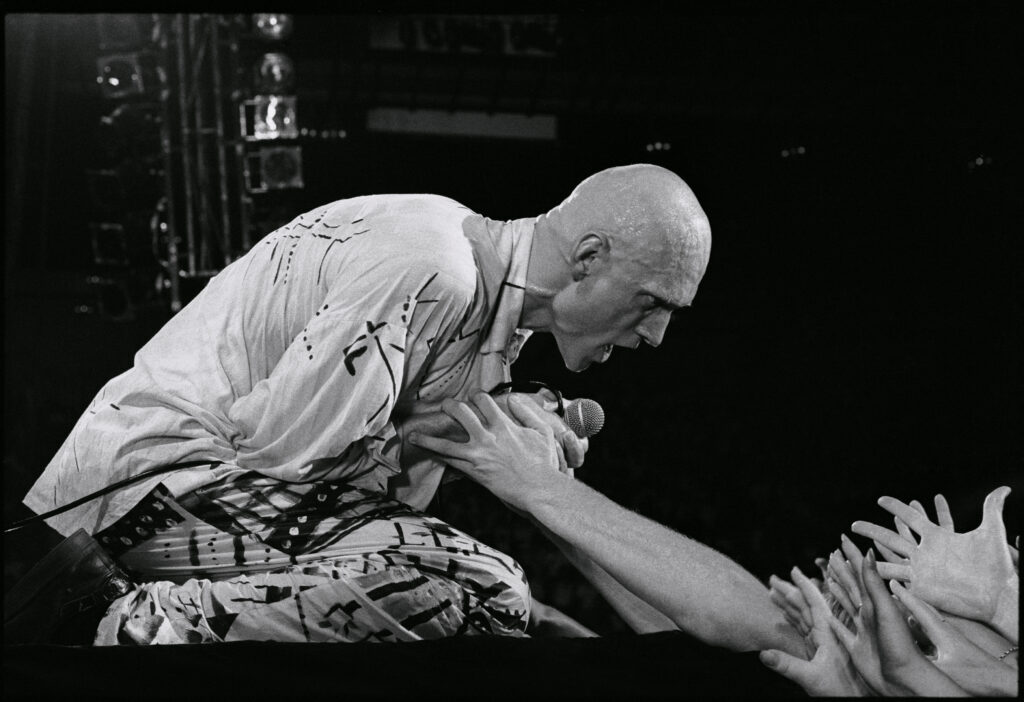
Credit: Tony Mott
Woven throughout the cultural timeline is APRA’s own evolution—from that first board meeting in January 1926 through to the organisation’s trans-Tasman and global expansion. Early milestones include the very first licence issued to a town hall on King Island, Tasmania, on New Year’s Eve 1926 (which still stands today), and the first reciprocal agreement with America’s ASCAP in 1948, enabling local creators to earn internationally for the first time.
AMCOS was established in 1979 to administer reproduction royalties, merging with APRA in 1997 to form the modern organisation.
The year-long celebration includes the biggest ever APRA Music Awards in Sydney this April and Silver Scroll Awards in New Zealand in October, an elevated SongHubs collaborative songwriting program in both countries, a major anthology book celebrating 100 years of Australian songwriting, and a brand-new hall of fame-style event in November.
“Whether it was establishing what it means to communicate music ‘to the public’ in the High Court of Australia or advocating for live music tax offsets and local content, APRA has consistently stood up for creators’ rights to fair payment,” Ormston adds. “As we confront new challenges around AI and copyright, that founding principle remains as vital as ever.”
Visit apraamcos.com.au/100-years to explore the full timeline.