No MIDI, no USB, no firmware – just two analogue pedals.
Strymon is best known for its DSP-heavy reverbs, delays and modulation pedals, so the launch of Series A – a new line of pure analogue pedals with no MIDI, USB or digital processing – is a bit of a departure. The first two releases are the Fairfax drive and the Canoga fuzz, and both have a good story behind them.
Catch up on all the latest news here.
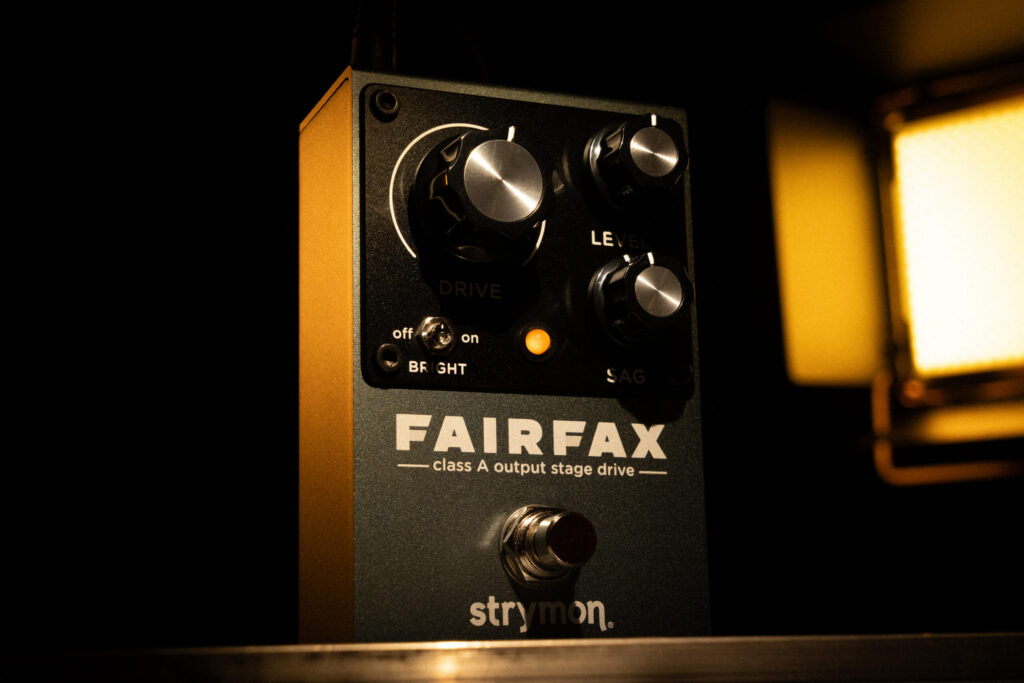
The Fairfax started as an engineering experiment inspired by the Garnet Herzog tube drive unit built for Randy Bachman in 1965, with Strymon’s analogue team setting out to recreate a complete tube amp circuit in a pedal enclosure. The final design includes a miniaturised preamp, Class A power amp and a custom circuit that emulates output transformer saturation – the bit that’s usually responsible for that organic, tube-like compression. An internal transformer steps the 9V input up to 40V to give it the headroom to behave like a real amp. Controls cover Drive, Level and a variable Sag circuit that ranges from mild compression at lower settings to fuzz-style gating and sputtering at max. A Bright switch adjusts high-frequency response.
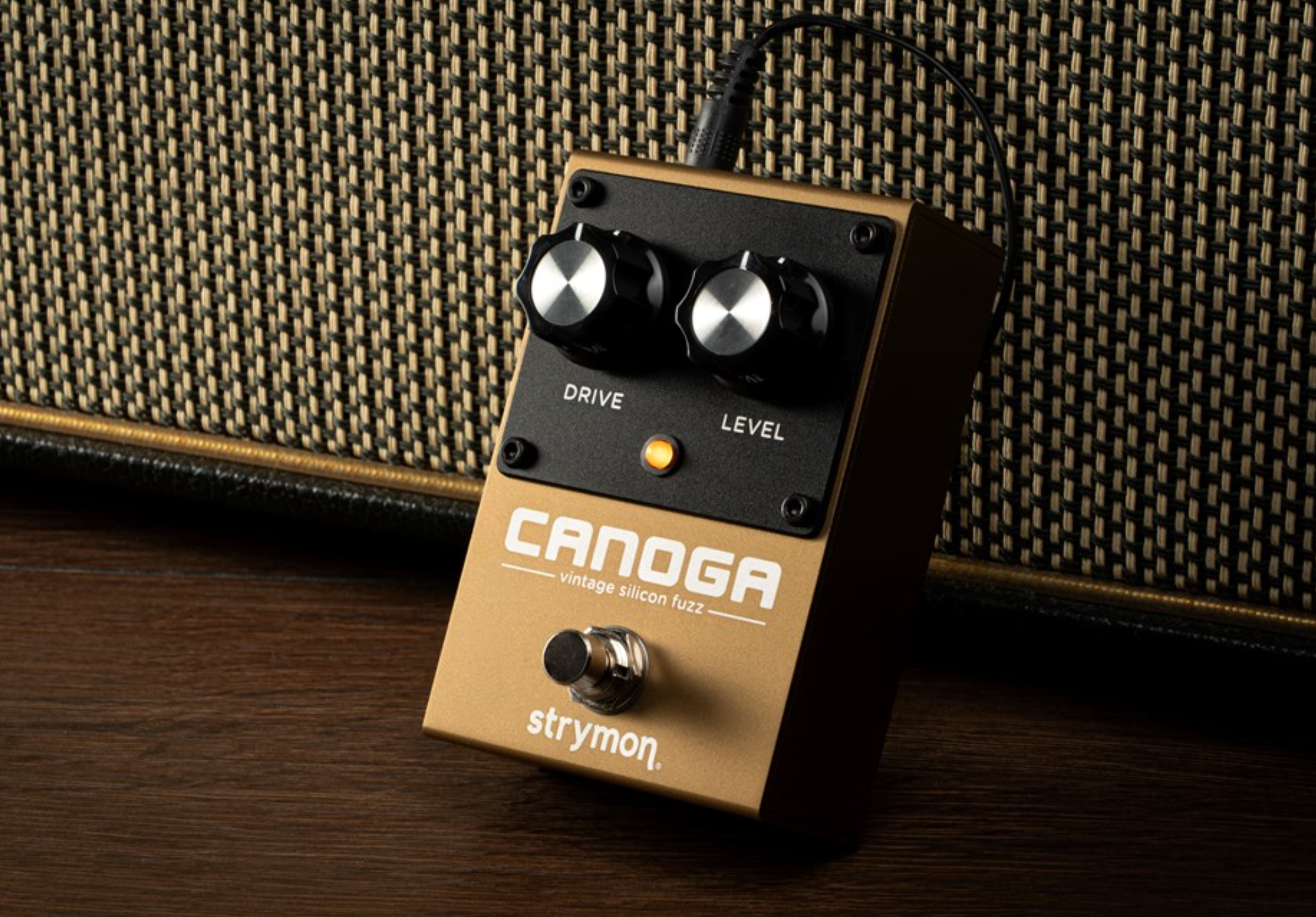
The Canoga’s origin began about ten years ago. Strymon designer Gregg built a handful of custom fuzz circuits in an afternoon, and they sat on a shelf until the company needed a fuzz to pair with the UltraViolet vibe. One of those designs became the Canoga – a tweaked silicon FuzzFace-style pedal with just Drive and Level controls. A lot of its character comes from your guitar’s volume knob: rolled back, it clears up into blues, rock and Americana territory; pushed all the way, it’s full fuzz.
Strymon is distributed by Amber Technology.