Phase 2 of the experimental neural sampling concept arrives at Superbooth Berlin with integrated audio I/O, onboard display and MIDI connectivity, shaped entirely by musician feedback.
Roland Future Design Lab and Tokyo-based AI music company Neutone have unveiled Project LYDIA Phase 2, the next iteration of their experimental AI-powered neural sampling pedal concept. Debuting publicly at Superbooth Berlin from 7–9 May, Phase 2 is a direct response to months of feedback gathered from musicians, developers and live performers since the original prototype was unveiled in November 2025.
Catch up on all the latest news here.
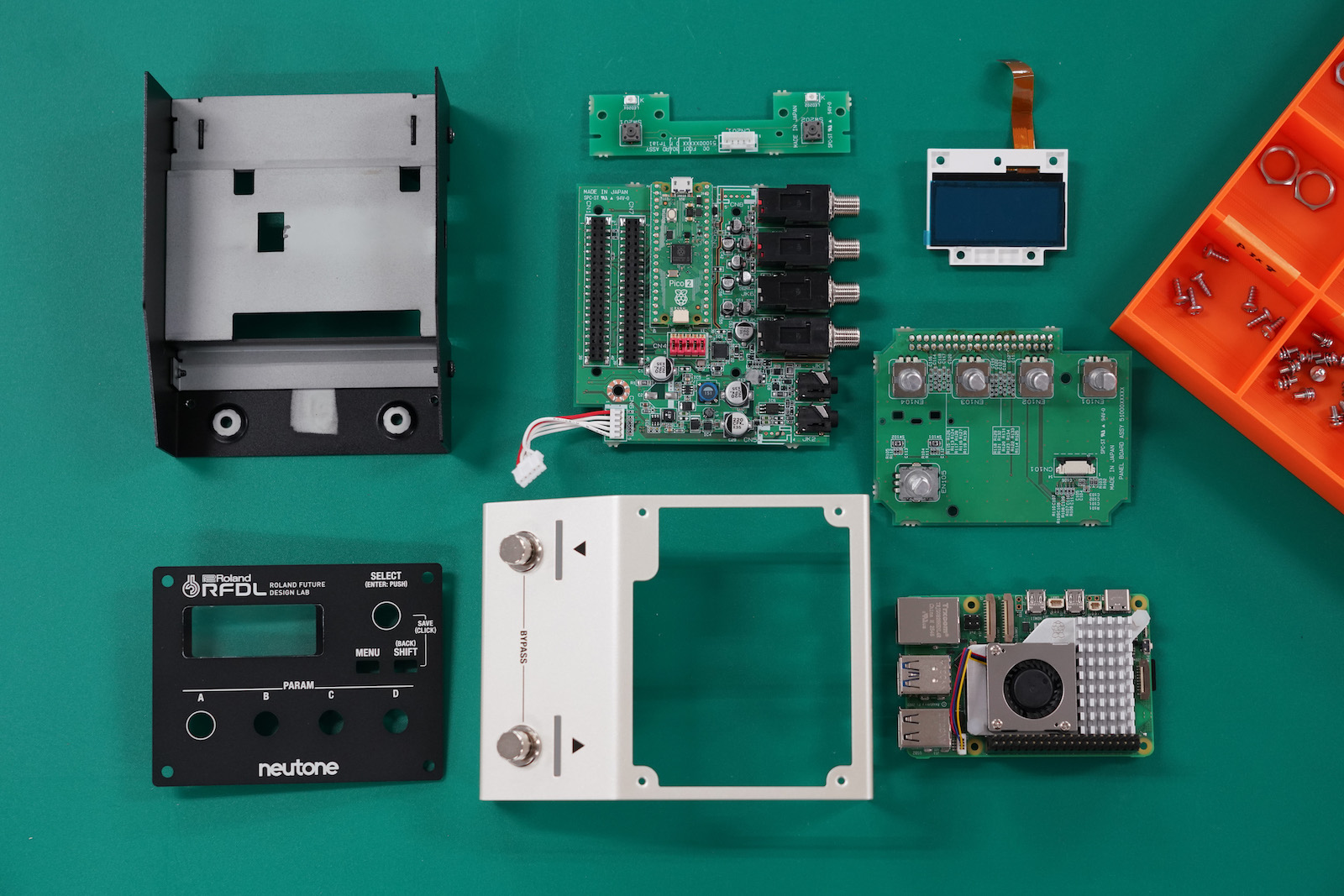
The changes are practical and pointed. Phase 2 integrates audio I/O directly into the hardware, removing the need for an external USB audio interface that the original required. An onboard LCD display now handles navigation and real-time parameter feedback, and user preset memories let performers save control settings between sessions. MIDI connectivity opens up deeper integration with existing studio and live rigs, and the hardware itself has been refined to support easier Raspberry Pi 5 installation and standalone USB MIDI controller operation.
The project’s underlying idea is worth understanding. Rather than positioning AI as something that replaces the musician, Project LYDIA treats it as something a performer can physically interact with – adjusting neural models in real time through familiar pedal controls. For many musicians, that’s a more honest and usable framing than the abstract, screen-based AI tools that have dominated the conversation recently.
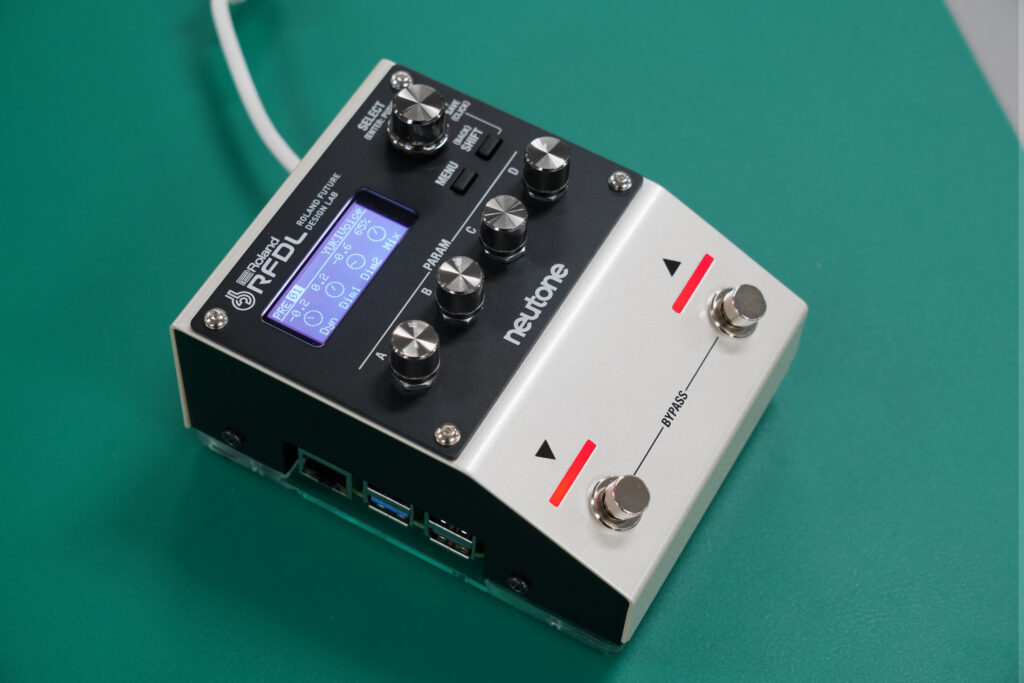
“That dialogue directly shaped Phase 2. This version reflects what creators told us they want from AI hardware in real musical contexts, while also bringing forward new ideas from our team,” said Paul McCabe, leader of Roland Future Design Lab.
Roland Future Design Lab was established in 2024 as an internal incubator for emerging music technology, and Project LYDIA sits within Roland’s broader AI For Music initiative – co-founded with Universal Music Group to develop ethical principles around AI in music creation.
After Superbooth, Project LYDIA Phase 2 is set to appear at the Audio Developers Conference Tokyo in early June and at additional events throughout 2026. Roland and Neutone are continuing to gather feedback from musicians online and in person as the project develops.
Hands-on demos are available at the Roland Future Design Lab booths at Superbooth (B023 and B026).
Learn more about Project LYDIA here.