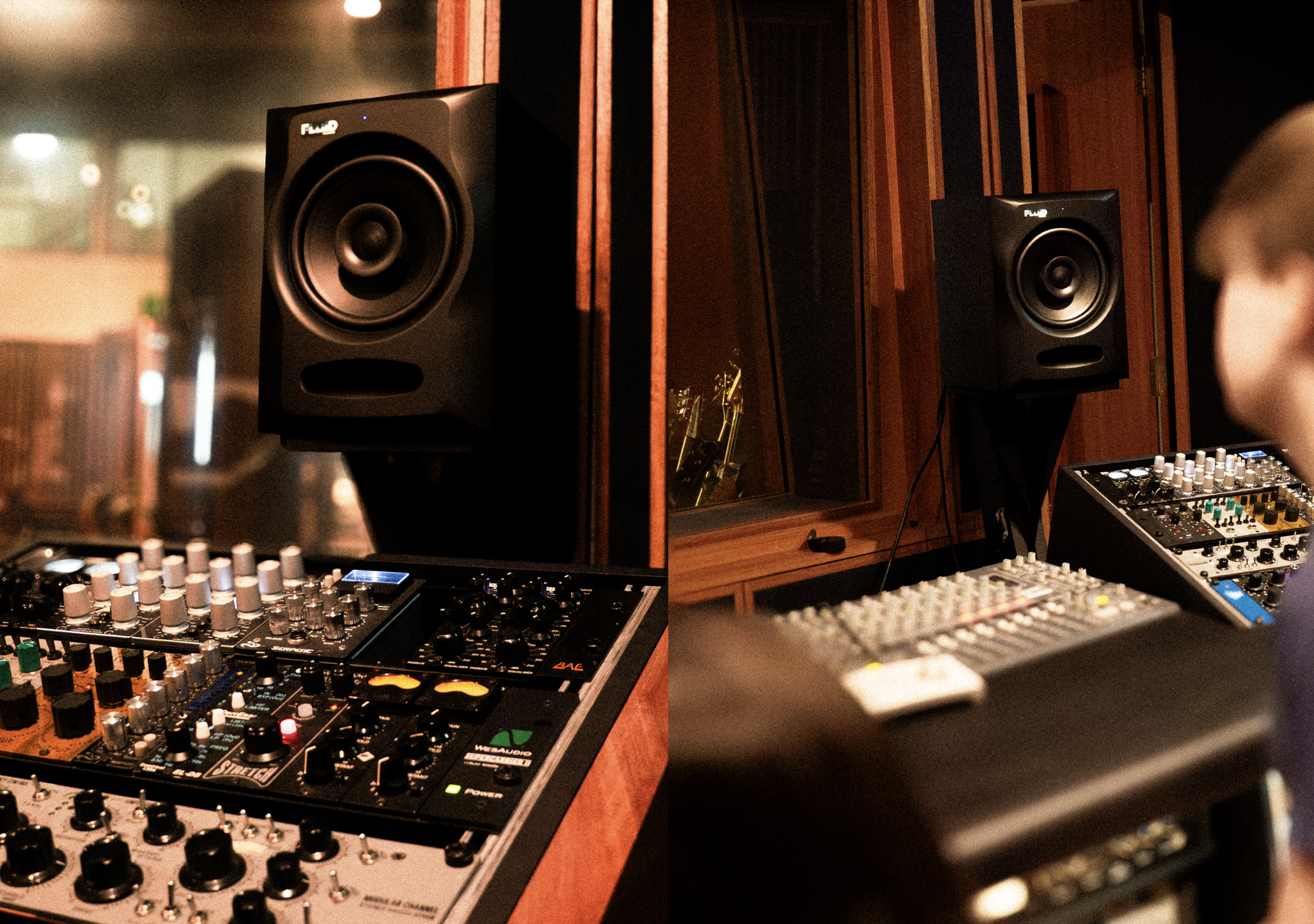
We speak with Fluid Audio co-founder Kenneth Rustad about building honest and accurate studio tools that work for the musicians working in imperfect rooms.
Figuring out what you need when you’re starting out as a producer, musician or audio engineer can be a challenge, and the sheer volume of gear on offer doesn’t always make that easier – not to mention the overwhelming amount of information available. Enter Fluid Audio – a company built specifically with that problem in mind.
Catch up on the latest interviews and features here.
Co-founders Kevin Zuccaro and Kenneth Rustad launched Fluid Audio with the goal of creating studio tools that are accurate, reliable and accessible. Most importantly, tools designed around how people actually make music. The range spans studio monitors, subwoofers, audio interfaces, headphones and microphones, covering producers doing their very first mix through to those working in professional rooms.
Kevin had spent years in loudspeaker design and product development at companies including JBL, Cerwin-Vega and M-Audio, building a deep understanding of speaker engineering, voicing and manufacturing. Kenneth came from the commercial side – sales, distribution, dealers and customers. Their combined backgrounds gave them a sharp insight into the world of audio gear, including how great products are made and, just as usefully, where they consistently miss the mark.
“Fluid Audio really started from a mix of experience, frustration, friendship, and a love for music,” says Kenneth. “It came from wanting to remove some of the nonsense around audio products and focus on what matters: useful design, honest sound, real-world value, and helping people create better music.”
“It is easy for companies to get caught up in feature lists, internal processes, margins, or what competitors are doing,” Kenneth says. “But the real question should always be: what problem are we solving, and does this product make the creative process better?”
After leaving the company where they met, the two began work on early prototypes. Kenneth sent Kevin’s mockups to his Nordic distributor, and the response confirmed there was something worth pursuing. “The idea was not to start another speaker company just for the sake of it. It was to build useful, honest studio tools without the unnecessary bloat. Products that sounded right, worked well, and gave people a lot of performance for the money.”
Pricing is only part of the accessibility problem. For students, musicians juggling casual shifts and as many gigs as they can get, and anyone navigating the rising cost of living, getting the right gear can be a huge financial obstacle.
“The idea came from seeing how many people were priced out of good monitoring, or forced to choose between cheap gear that was not honest enough and expensive gear that was not realistic for where they were on their journey. We wanted to give younger musicians, entry-level producers, and home recording people a better starting point. Good gear should not be reserved only for people who already have a commercial studio. If someone is serious about making music, they deserve tools that help them grow from the beginning.”
Accessibility, for Kenneth, extends well beyond the price tag. “A lot of our users are not working in perfect control rooms. They are in home studios, writing rooms, project studios, apartments, and small creative spaces. They still need tools they can trust.
“We are not trying to add complexity just to make something look more advanced. We care about voicing, translation, long-term listening comfort, useful features, and overall value. The product has to make sense in the real world.”
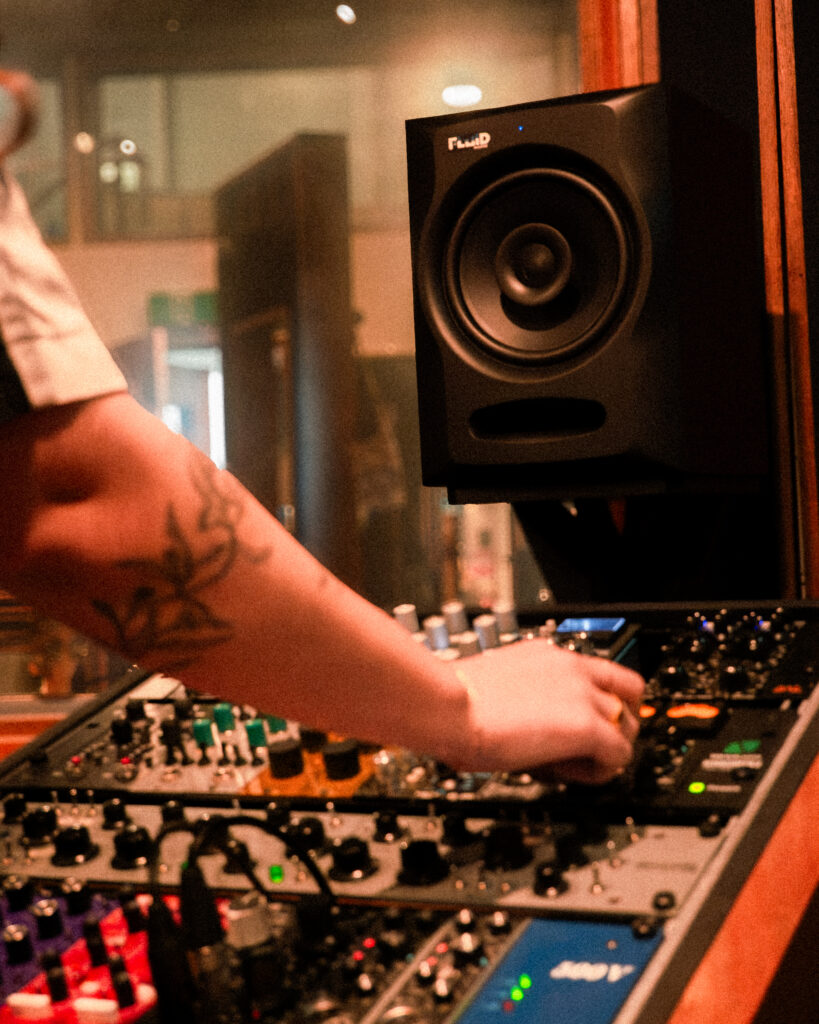
A monitor that flatters a mix isn’t doing the engineer any favours. “People rely on studio monitors to make decisions. If the speaker flatters everything too much, the user pays for that later when the mix does not translate. So our background has pushed us toward a more honest design philosophy: build tools that help people hear what is actually happening.”
That sort of thinking extends to how they define ‘accurate’ in the first place. “A flat frequency response matters, but it is only part of the story. Phase coherence, stereo imaging, low-frequency control, transient detail, and long-term listening comfort all affect how well a mix translates outside the studio. So when we talk about accurate tools, we mean products that help users make better decisions in the real world, not just products that look good on a spec sheet.”
Home recording was already growing before the pandemic hit, but what followed accelerated the shift permanently. “When studios closed, touring stopped, and people had to work from home, a lot of musicians, producers, engineers, and content creators were forced to build more serious setups in their own spaces. What started as a temporary solution for many people became a permanent way of working.”
Untreated rooms, close listening distances, low volumes and reflective surfaces – these are just some of the challenges of home recording.
“A home studio monitor has to be honest, but it also has to work well in less-than-perfect environments. Controlled low end, clear midrange, stable imaging, and good detail become extremely important. The speaker needs to help the user hear vocal balance, guitar tone, kick and bass relationship, reverb levels, and stereo placement without making the room problems worse.”
Fluid Audio is grounded in reality, and that hasn’t changed as the brand has grown. Fluid Professional came out of the same audience that started with the core range, for users who moved into more demanding production environments and needed the tools to move with them.
For Kevin and Kenneth, the through-line across both ranges hasn’t changed. “It is easy to make a product look impressive on paper. It is also easy to add features that sound good in a brochure. The harder part is making sure those choices actually help the person using the speaker make better decisions.”
Learn more about Fluid Audio here.