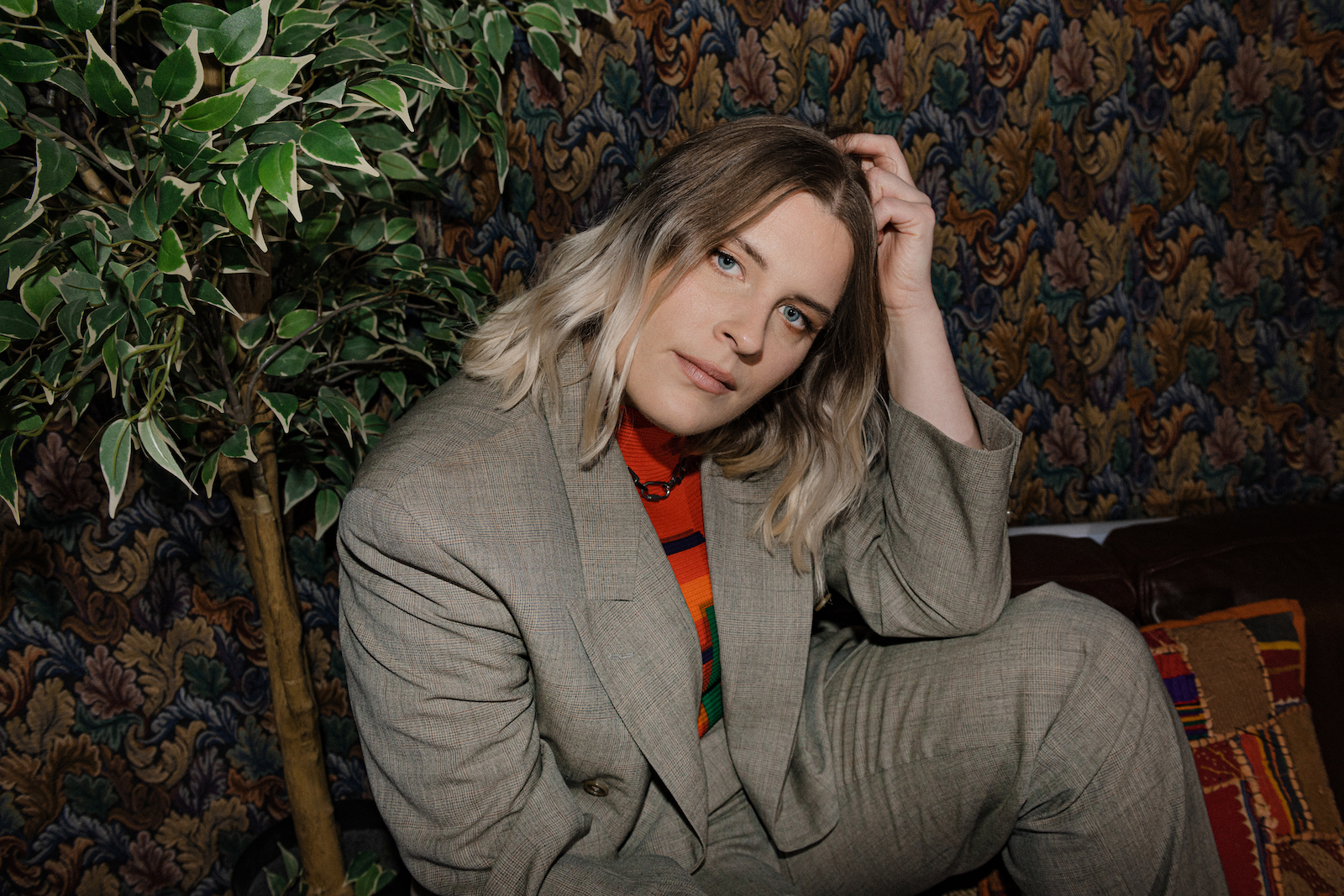
Alice Ivy – real name Annika Schmarsel – has spent the better part of a decade cementing herself as one of Australia's most distinctive electronic producers.
From winning the 2016 Triple J Unearthed Listen Out competition to releasing three studio albums, performing at festivals across the country and collaborating with the likes of Montaigne, Thelma Plum, E^ST and Bertie Blackman, the Melbourne-based artist has built a sound that sits comfortably across hip hop, soul and alternative electronic music.
Earlier this year, she became one of just three artists globally selected to create a demo set for the Ableton Move and Note update – a significant nod to her reputation as a producer who understands both the technical and creative sides of music-making. It’s a full-circle moment too, given that Ableton was the software that first opened the door to production for Schmarsel when she moved to Melbourne to study at RMIT back in 2014.
We caught up with her to talk about the process, the gear she reached for and what it means to have her samples in the hands of Ableton users around the world.
Catch up on all the latest features and interviews here.
Hi Annika! Congratulations on being one of three artists globally to create a new demo set for Ableton Move and Note. How does it feel knowing that your work lands in the hands of Ableton users all over the world?
It’s an honour! When I first started using Ableton, I was heavily relying on all the inbuilt sounds, so it’s a special feeling knowing that samples I’ve created might find their way into other people’s creations. That’s so cool to me, and I hope people get some inspo from it!
You’ve created a sample pack for Ableton previously. How did the opportunity to collaborate on the Move and Note update come about?
The last time I created a sample pack for Ableton was way back in 2018, so when they reached out about becoming involved in the new update, it was an immediate yes from me! What’s really cool about the new update is that it allows you to work with audio rather than just MIDI. I think one of my strengths as a producer is creating sounds and samples from scratch using outboard gear, synthesisers and a lot of live instrumentation, which really lends itself to the new features.
Had you used Ableton Move or Note before this project, or was this your first time getting hands-on with them both?
Despite using Ableton as a DAW throughout my career, creating this project was my first time experimenting with the Move and Note. I really enjoyed familiarising myself with a different piece of gear and new software. Challenging myself and doing something a little different each time I approach a new project fuels the inspiration and keeps me on my toes.
Walk us through how you approached creating the demo set – did you follow the same kind of formula you usually would to create, or go a different way?
Generally speaking, I started in the same way I usually approach a new work. I turn everything on in the studio and start playing around until I find an idea that sticks, whether it’s a synth part or a bass line, that kind of thing. Finessing was a little different than usual. Instead of approaching the piece as a whole, I drilled deep on every individual aspect of the composition, so people would be able to use each sample in a different way, but it would all still be compatible. I had to be very particular about each part and how it sits in the piece, as well as in isolation, and in other adaptations, which is not something I would normally consider.
Ableton Move and Note are designed for making music on the go. Did that context change how you thought about the loops you were creating?
Absolutely! My approach was to keep everything as simple as possible and not go overboard with the loops or make them overly complicated.
What gear did you use to create the loops, and why did you reach for those particular instruments or tools? Do you have a go-to piece of hardware?
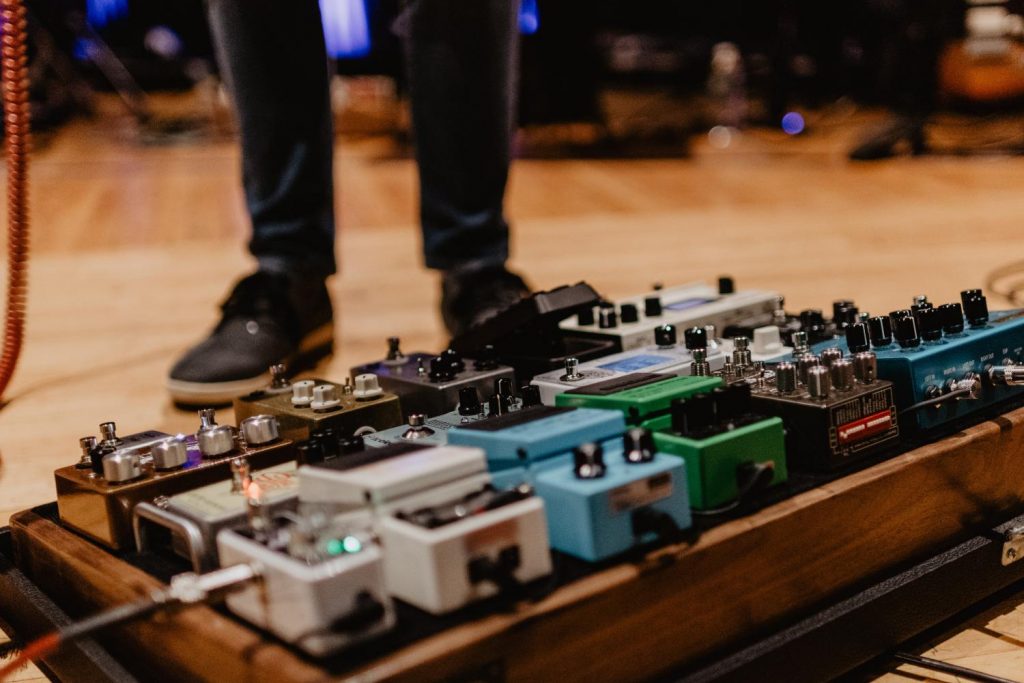
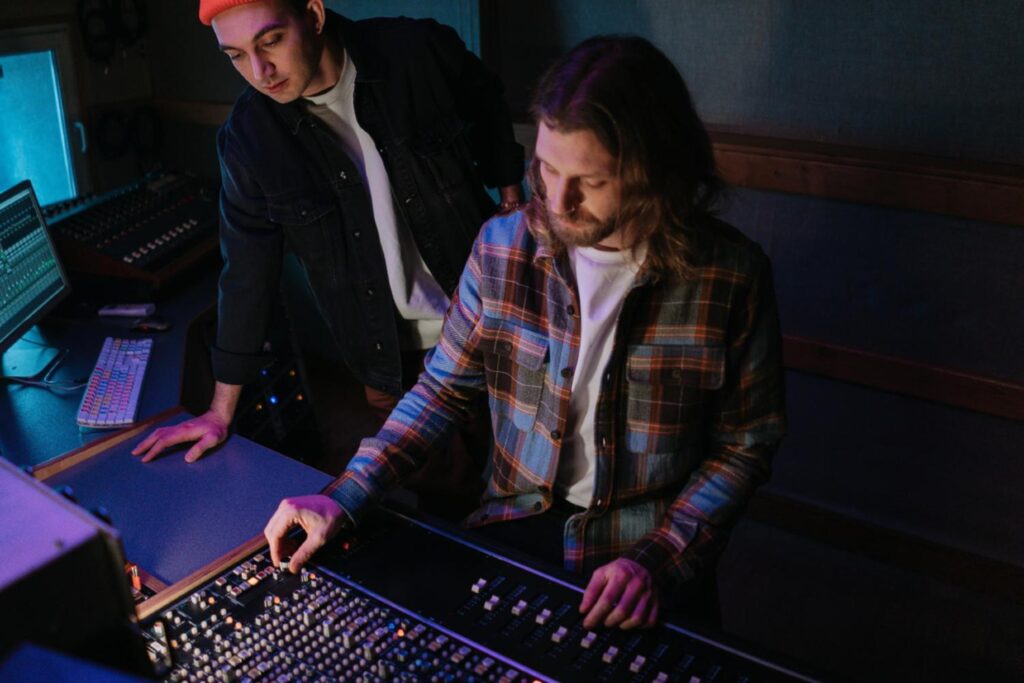
On the demo set, I used a Fender Jazz Bass, a Telecaster and a Wurlitzer. I stayed away from synths because I wanted it to feel as organic and live as possible. In terms of outboard gear, I was running everything through Neve preamps. I recorded the vocals using a Wunder CM7 S, running through the same pre, an LA-2A and a Roland RE-201 Space Echo. I love running the Space Echo on snares, claps and vocals to give them that really colourful feel. Apart from the absence of synths on this occasion, those instruments and bits of hardware are generally my go tos in the studio.
Was there a sound, texture, or even a feeling that you kept coming back to throughout the process?
Definitely the colourful, analogue ‘70s vibe. It’s easy to do when you limit yourself to just a handful of instruments and outboard gear!
Creating loops that will be experienced by a huge range of people, from beginners to seasoned producers, is a pretty unique challenge. How did you think about that audience when making creative decisions?
Again, I wanted to keep the process as simple as possible. I had a broad audience in mind when it came to selecting instruments, as well as keeping the playing style a little straighter than what I would normally do to allow the set to be more diverse and work across multiple genres. Hopefully, it finds its way into many different projects!
What do you hope people take away from your demo set, especially those who are just starting with music production?
I hope that people find inspiration in the demo set and use the samples! What got me super hooked on Ableton when I first started producing was sampling and how accessible it was to incorporate amazing audio clips within my compositions. I’m hoping these clips do that for others.
Has working on this project changed the way you think about your own music-making process at all?
Yes and no! The creative process was very aligned with how I would normally begin a project; however, the finessing stage and perfecting each individual part is probably not something I would spend as much time and energy on as long, provided everything was feeling right.
Alice Ivy’s demo set is currently only available in the Move and Note beta versions. Head to Ableton for more information.