We chat with the mastermind behind Full Flower Moon Band about gear, life in NYC, her new single "Party Hard" and upcoming album After Dark.
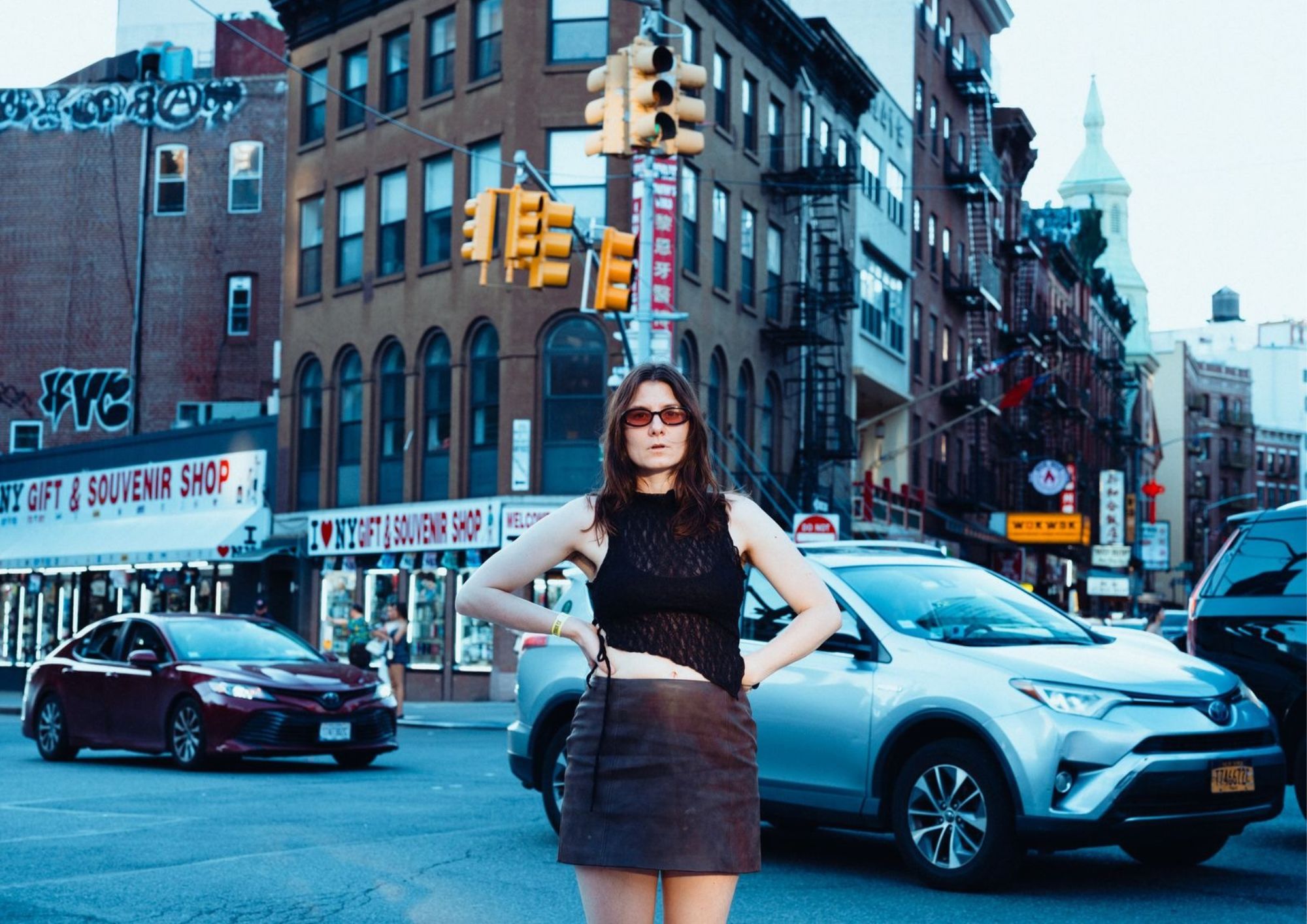
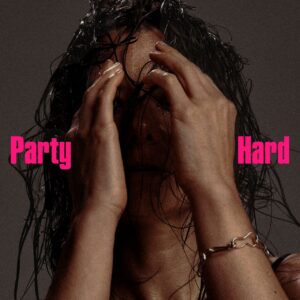
Full Flower Moon Band are back with ‘Party Hard’, a song that started as a single line and grew into one of the heaviest things the shape-shifting Australian rock outfit have put to tape. It’s the second taste of their upcoming fourth album After Dark, and it arrives just ahead of a big November, with the band set to support Foo Fighters on their Australian dates. We caught up with lynchpin Kate ‘Babyshakes’ Dillon to dig into the songwriting, the studio and the gear behind the new release.
“Party Hard” started with a single line and ended up somewhere much heavier than you expected. What can you tell us about the recording process behind this song?
I had no control over this song. In the early days I had a scrappy demo which got passed around to everyone involved – but I was actively trying to rewrite the song. Then my laptop broke and I lost my favourite version. So I started again, made a whole new arrangement and sent it off to the team.
On recording day, I was so confused because the session players were playing the very first demo. It turned out there’d been a server issue with my Gmail, and the new arrangement had never sent. So at that point I just said, “Okay. This is how it wants to be.”
Was there one instrument or piece of gear in particular that you think helped to define the sound of “Party Hard”?
Producer Jim Rindfleish pulled two pedals out of his bag of tricks that really worked. The JAM RetroVibe which brought this ‘otherness’ and depth, and surprisingly a $30 Azor fuzz had the perfect level of crunch. I wasn’t expecting it.
Catch up on all the latest interviews and features here.
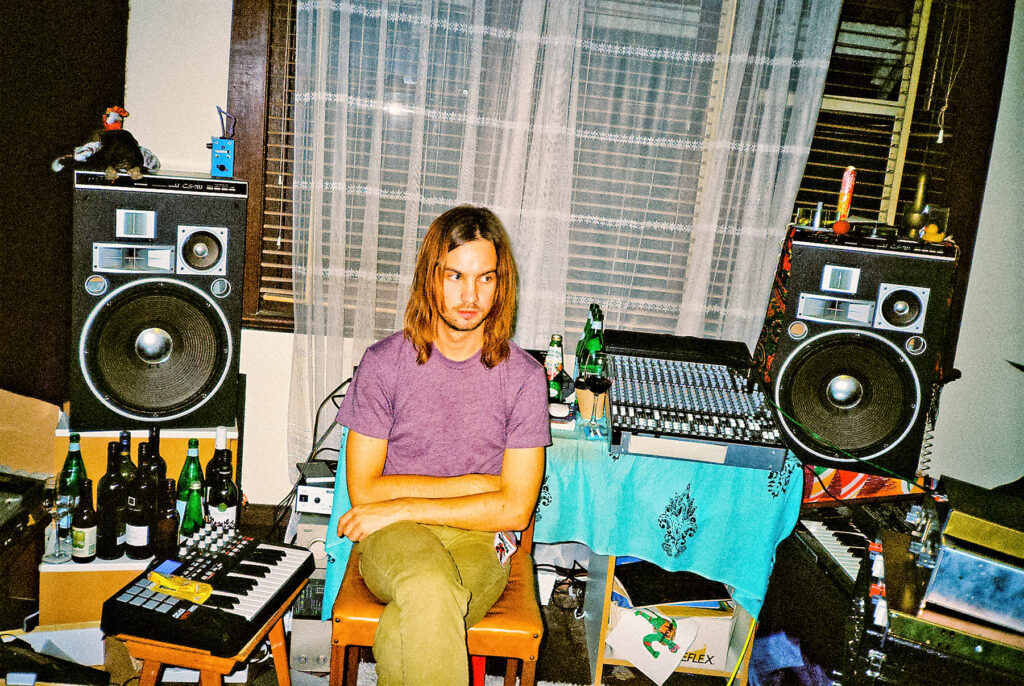
You wrote After Dark during a month in New York. What gear made it into your suitcase, and what gear were you writing and demoing on over there?
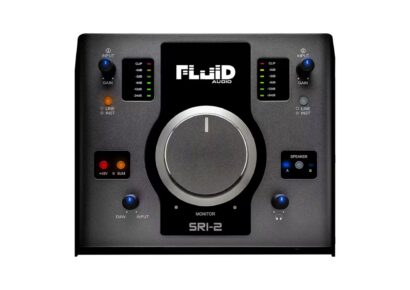
A Volt 2, SM7B, DT 770s and my Telecaster. I used my laptop keyboard as a MIDI controller and basic Logic amp sims.
That setup has stuck, to be honest. I think it helps me focus on the bare bones of a song, and because we’ve been recording in studios more in the last few years, I don’t need a whole DIY setup anymore.
Which guitars did you lean on most in the studio for this record, and what did each one bring to the table?
I was surprised that I ended up on a cream-coloured Stratocaster for a lot of it. It was like meeting the well-behaved sister of my black Tele Custom. I don’t see myself as a Strat player, but damn, it was way easier to find the tones for this album on it.
What amps were you running on After Dark, and is there anything that stands out to you about how you tracked guitars compared to previous records?
I used a Fender Hot Rod (thanks to Jack Shoe) and a Laney Cub 8. The session bassist Luke Hodge also brought five basses to the studio – that was a first for me.
Tracking was pretty normal for me, until the very last day… Jim unleashed his Mildlife bandmate Adam Halliwell for some guitar layers. His plan was to capture Adam improvising and responding pretty raw, then decide what to keep later. Adam sprinkled magic over so many tracks in just one day. For the easiest example, listen to the sports-mode solo on “Endless Summer.” It consistently leaves people gagged.
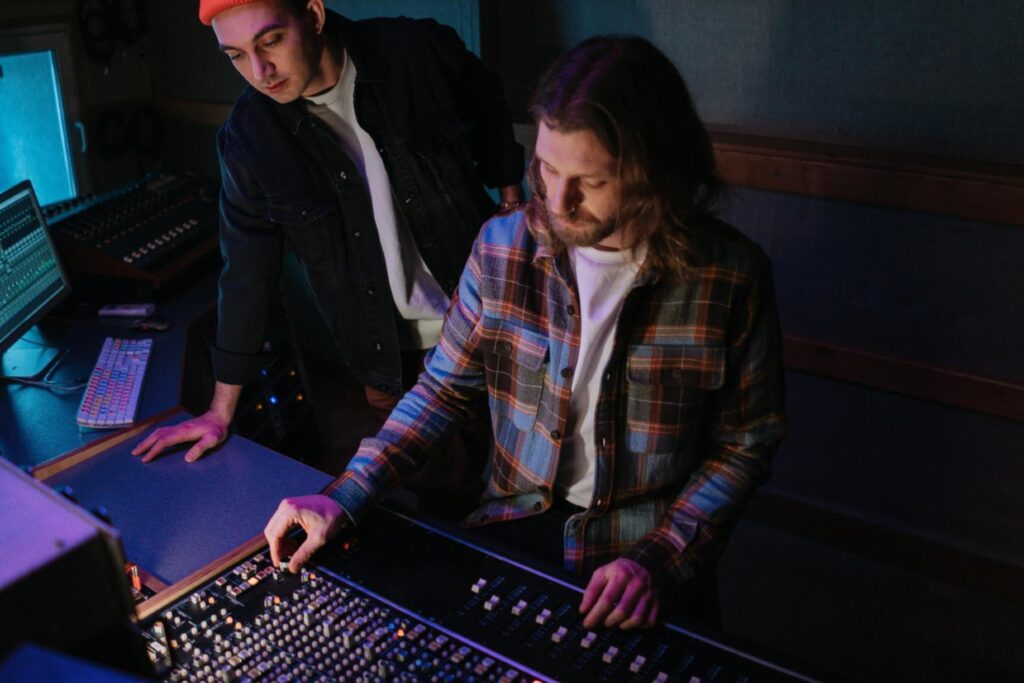
Jim Rindfleish produced the record and played drums. What did he bring to the sounds you were getting, and was there a recording technique of his you hadn’t tried before?
The heart of this album started as big, old-school drum fills. Our drummer Luke Hanson has played without rack toms for as long as we’ve known him, and we love him for it, but ultimately Jim on the kit was an extension of finding the sound. He had a huge selection of vintage pieces that sounded just like my references. All I would do after each take is just say – ‘more tom fills’.
A recording technique I hadn’t tried before was having a producer on board before starting recording. I’m so used to self-producing or co-producing, that was new. A few weeks into the album I asked Jim for the stems so I could start editing them and he was like… actually maybe not.
Apart from that, I like to think we did a good job at staying in our lanes. I came in as a songwriter, artist, performer, and he came in as the hand guiding it. I was determined to experience this sort of artist/producer relationship, so I’m very grateful.
Let’s talk about your live rig! What guitars, pedals and amps are you currently running?
The two other guitarists in the band both like Fender Hot Rods at the moment, so weirdly I feel like I have to play something else. I kind of just pick a random Fender or Vox off the supply list usually.
My current rig is a 2005 Mexican ‘72 Telecaster Custom, into a Polytune, Boss OD2, EarthQuaker Special Cranker Overdrive, Moog MF Trem, BOSS VE 20 for vocals, powered by the Truetone 1 SPOT Pro CS7, mounted on a Pedaltrain Classic Junior inside a Nanuk moulded case.
Your touring band wasn’t involved in the making of this record. How did that change your process?
Because my bandmates Caleb, Christian, Marli and Luke bring so much charisma to the band, I think people sometimes overlook how much the recording lineup has varied. My 2017 album Chinatown had a pretty open-door approach, and our drummer Luke is the only current member who played on the 2021 EP Death Or Hell. Even our most recent albums have had additional players. So while returning to that earlier way of recording was a big decision, the process itself felt familiar.
Is there anything you or the band will have to change in your live setup to bring After Dark to the road?
Yes, we will be reimagining the album for the live show together. That was always the plan. I know everyone has fresh ideas on how to approach the album live, and I’m here for it. We don’t use any backing tracks, so finding the textures and piano parts across three guitars will definitely be a significant departure from the record. It will make for an exciting show. Oh and Luke said he is going to add toms to his kit (laughs).
Lastly, what’s the one piece of gear you can’t live without right now?
The SM7B. I rarely need to redo a take at home due to background noise or sibilance anymore. In Jim’s studio we did a mic shootout, and even under the microscope it still really held its own against the much more expensive options.
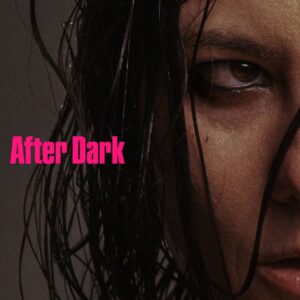
After Dark is set to be released on the 26th of February via Impressed Recordings
“Party Hard” is out now