Where Are We Now? is the latest record from Winter McQuinn, and the first to be recorded entirely at his home studio. We dig deeper to find out more about the process and how he achieves his distinct '70s sound.
Winter! Congratulations on a fantastic record – it was a joy to listen to, and it sounds both like an homage and a modern reinterpretation of so many classic ’70s records. The songwriting is clear, lovely and direct, and in achieving such a distinct sound for this record, I wanted to ask you about your recording approach. Can you tell us about how you recorded this album?
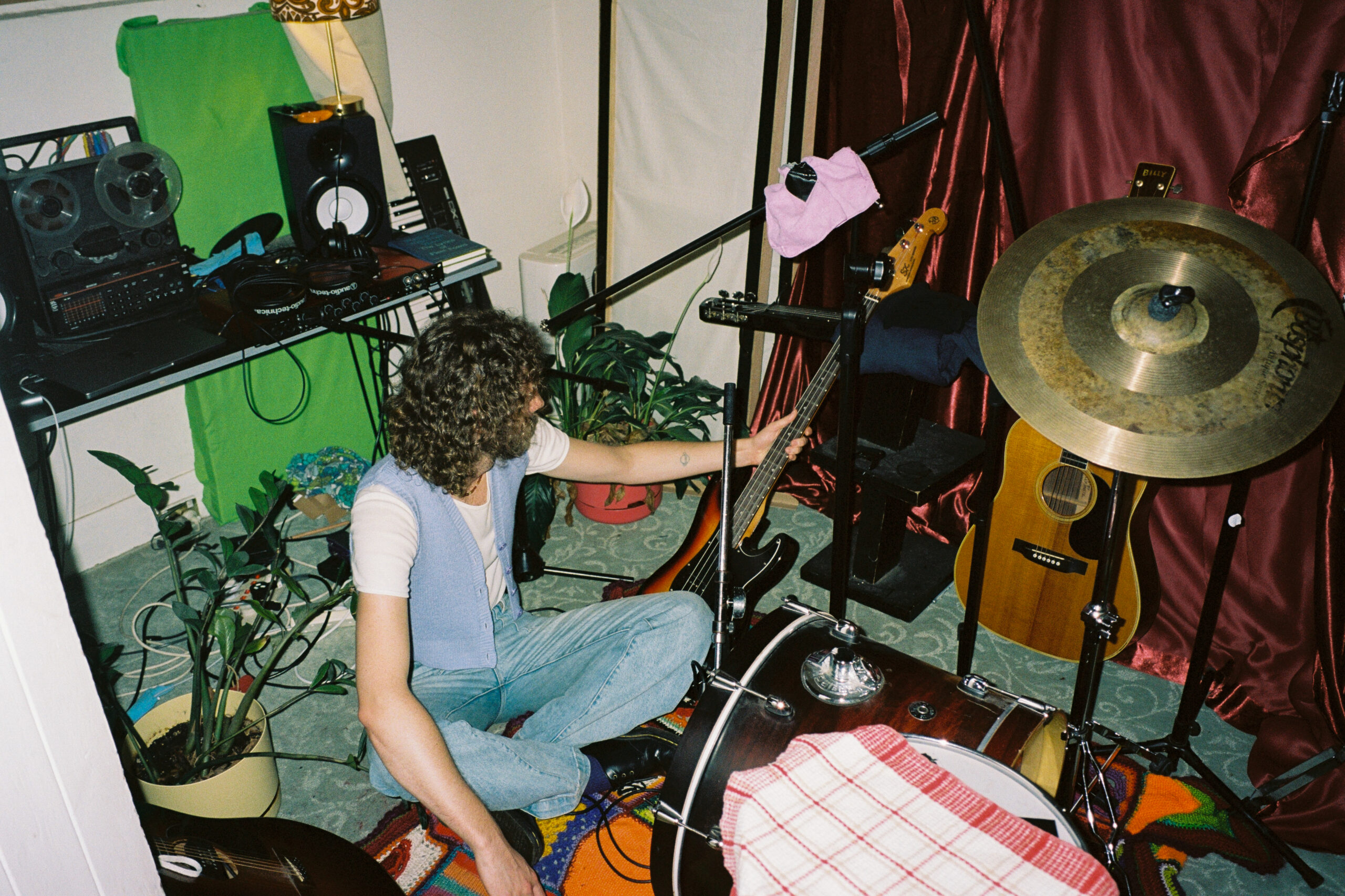
Thank you! That’s nice to hear. I recorded pretty much all of this album in my little home studio dubbed the cave (due to its small space and dark lighting). Some additional parts were done remotely in other people’s homesetups; eg. the flute and guitar solo on Always Looking, the solo on Walkin’ Through That Door and a few other things.
 Read up on all the latest interviews, features and columns here.
The idea of recording it all in my home studio was a concept and challenge I wanted to set myself for this record. It was really just born in tandem with the collaboration notion behind the record, as it was easy to invite people around for a session in my space and go from there.
Are you working with tape, vintage gear or modern tools emulating the ’70s sound? How important is imperfection in getting the sound you’re after?
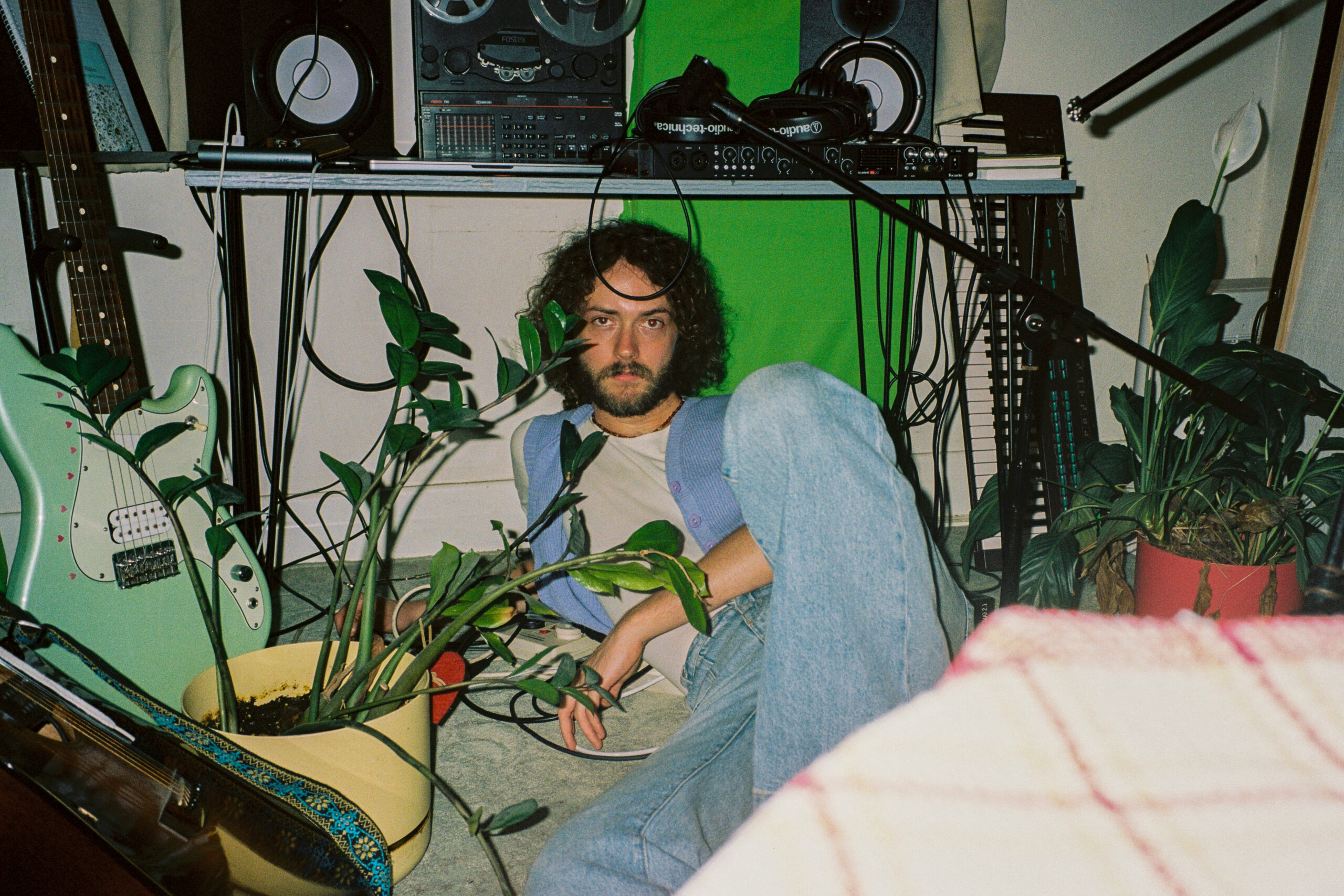
I have a pretty rudimentary setup and am no vintage gear overlord. A lot of this record was done on my Fostex R8 tape machine and then just good old Logic Pro. I think the “’70s sound” really just comes from the songwriting and live element for me, rather than an emphasis on gear or plugins that emulate that era.
I think the imperfection in the sound is more coming from me, really just trying to capture the feeling of excitement and flow state I get into when I’m composing/producing stuff I really like. I’d rather capture a fraction of that feeling and have the song’s tempo be slightly cooked or a bit out of tune, vs. a really polished sound. I’m making human music after all!
Are there particular artists, bands, or producers from that era who shape your approach? What draws you to the sounds and aesthetics of the ’70s?
So many great artists and producers from that era, and also from the now era!
I think what originally drew me into that vintage realm was the ingenuity, warmth and live vibe coming off of all those classic records. They were all quite beautiful and playful in both their songwriting and production techniques, as they were really just figuring it out as they went and then honing in on what they liked. I think that playfulness and experimentation is also happening in today’s era with the accessibility of recording, and I think taking the live focus of the old days with the convenience of modern recording is a real ethos for me.
The guitars all sound so lovely on this record. Can you give us a brief rundown of what guitars were favoured on this record and how you achieved the beautiful sound you did with them?
Thank you! My memory is a bit foggy; the guitars I would have used would have been the trusty Ibanez ‘Nespaul’ guitar that is my partner’s Acacia’s guitar, which she got gifted by Paul Maybury years ago. That thing is a beast for low-end crunch and is so solid.
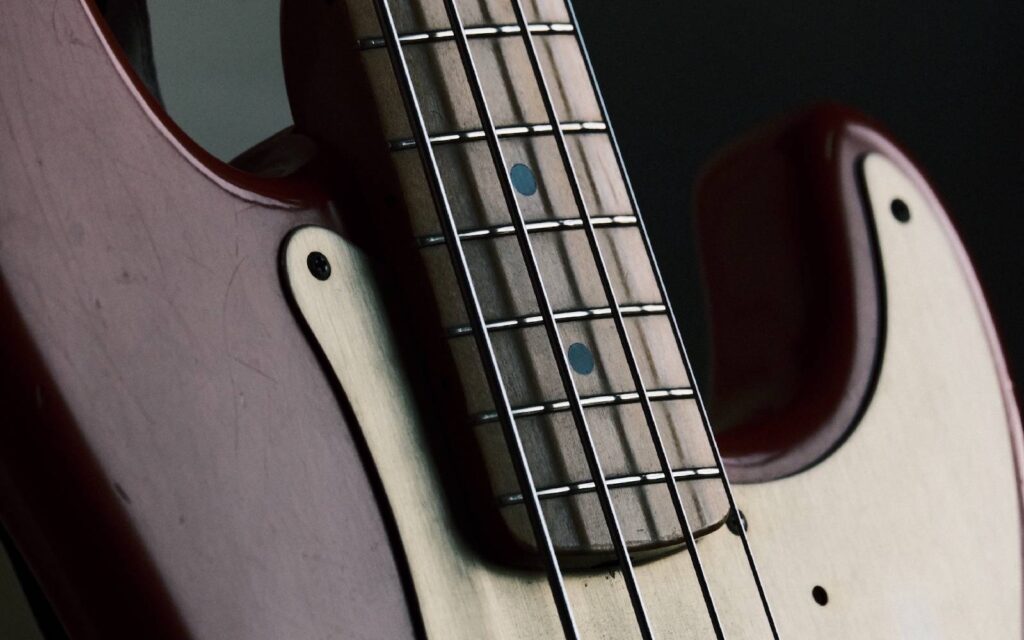
I think I also used my Univox Hi Flier for some of the whammy and bendy moments, as it was just easier to bend the shit out of the notes. Another one I remember using was, again, Acacia’s Fender Duosonic. I also used my mum’s 1970 Takamine acoustic, which is super trusty and beautifully warm. I also borrowed my friend Pat’s Fender 12 acoustic 12 string – love those things.
In terms of recording the guitars, I’m pretty cowboy and haphazard in my approach; if it sounds good, it’s going on. I don’t really measure mic placement or anything like that. Whatever’s feeling good and is achievable within an hour will do for me.
What microphones did you use on the record? And what’s Winter McQuinn’s favourite mic?
I can’t really remember, but there would have been some SM57s, a borrowed Neumann, Rode NT1a, and some overhead pencil mics that I can’t remember the brand of.
Right now, my favourite mic is these relatively new ones I got after finishing this record. They are two sE4400s and they’re dreamy as.
Favourite plugin? Are there any digital methods of recording you utilise to degrade or harshen your sound?
Not really! Exploring plugins is definitely something I’d like to get into. If I need to degrade or harshen the sound, I will run the
track through the Fostex, then back into Logic. Or I will get whoever’s mixing the track to do some magic.
The record has a definite sound and vibe that is complemented by your direct and purposeful songwriting. How do you balance authenticity with originality in your sound?
Thanks! I guess to me, any song that ends up on a finished album has to feel authentic to me. I can’t really write lyrics from a character’s perspective, and so I guess in that way, all songs that I’ve written the lyrics for will feel authentic as they’re all from my lived experience.
I don’t really worry too much about originality. Anyone making music now has grown up with the entire history of music being readily available to consume; chances are, you’ve been inspired by something that’s already happened. I think putting your own spin on things is great, and I’m not interested in trying to be a caricature, but at the end of the day, if I’ve had fun and enjoy the song, I don’t care about originality.
What role does capturing “the moment” play in your recording sessions?
A big role! It’s what I love most about self-recording. Being able to work out an idea and immediately capture is such a magical thing; I really love it. On the flipside, when a song is taking ages and not really working, and I’m desperately trying to either recreate the moment or find it, I get so depressed, and it ruins my day/night.
Taking breaks is important; sometimes the search for the moment or the “flow state” becomes less of a wormhole of exploration and more of a wormhole of throwing paint at a wall and getting upset when you don’t like the artwork. It’s good sometimes to just let things be, and to recognise that maybe you should get your friend who’s a trained pianist or flute player to do the piano or flute part rather than trying to do it all yourself.
 You can take one piece of studio equipment to a desert island – what is it?
Immediately, my mind goes to logistics. Realistically, probably an iPhone with a voice memos app. Imagine having your laptop but no mics – what am I gonna do with my Se400a with nothing to plug it into? Am I allowed to bring instruments?
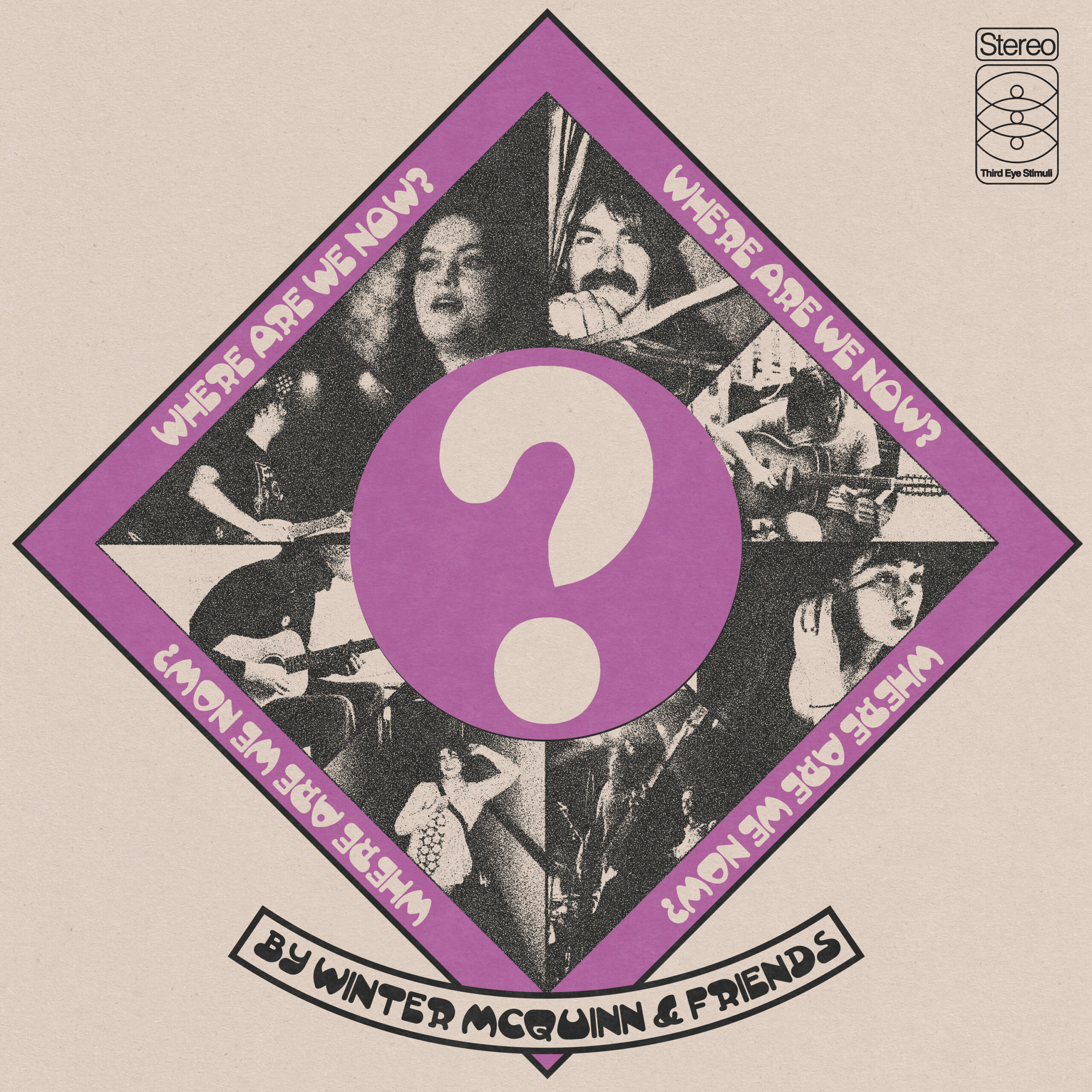
Winter McQuinn’s third album, Where Are We Now? is released September 19 via Third Eye Stimuli.