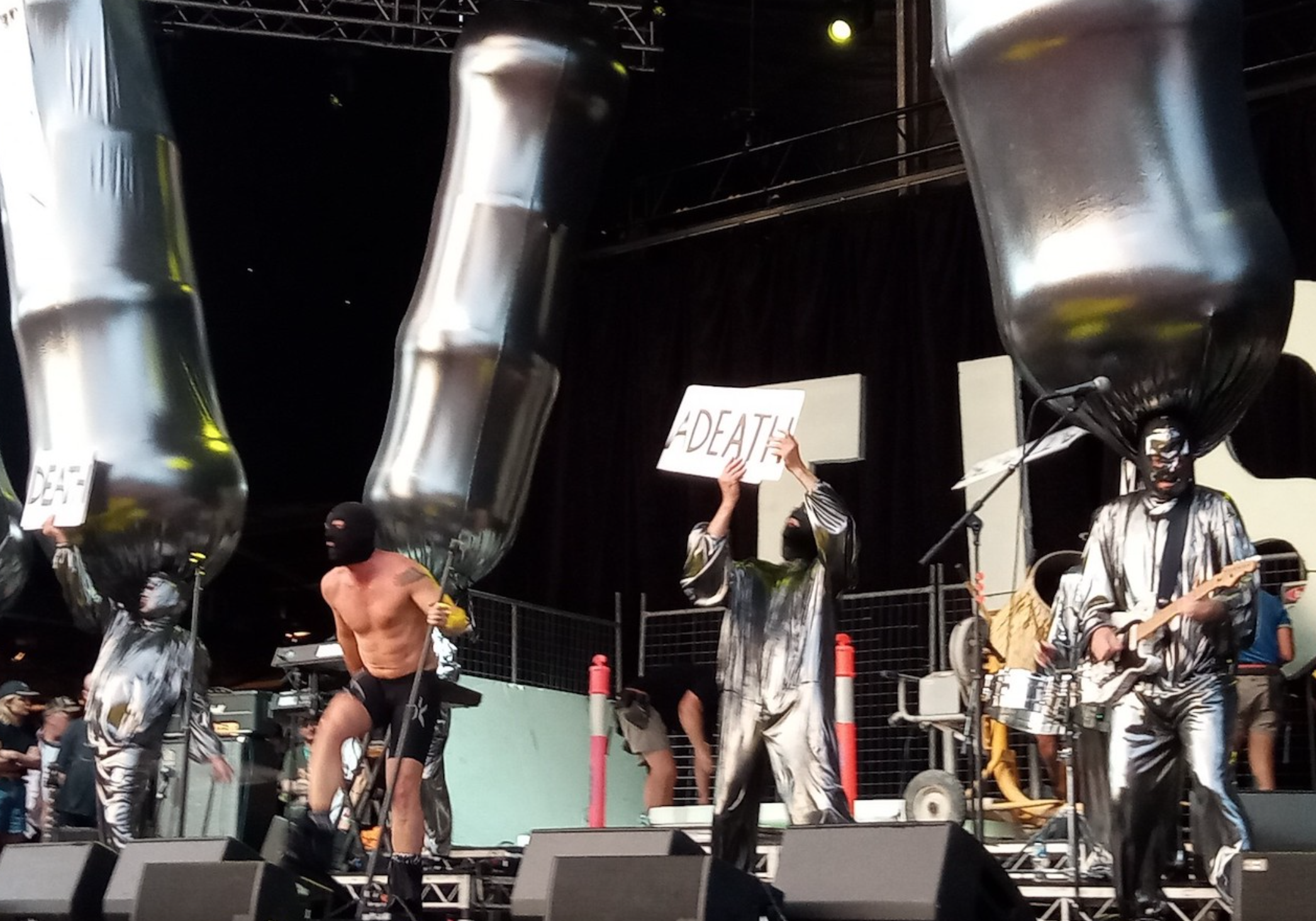
Infamous for combining their tongue-in-cheek brand of nihilistic humour with infectious melodies, Melbourne's TISM, acronym for "This is Serious Mum", have been delighting alternative music fans and outraging the press ever since their conception way back in 1982.
Evoking disdain from the Ken Done association, numerous record labels and even Flea of RHCP fame, TISMs’ satire of the human condition has won them a strong and dedicated underground following that still perseveres today.
Providing numerous underground hits, including (He’ll Never Be An) Ol’ Man River, and Everyone Else Has More Sex Than Me, the anonymous members of TISM have used a plethora of equipment, both live and in the studio.
Let’s take a look at the gear behind one of Australia’s most beloved and bizarre live acts.
Read up on all the latest features and columns here.
Yamaha DX7 Digital FM Synthesiser
The DX7 needs no real introduction, holding the crown as the best-selling digital synthesiser in history. This giant has been used by more artists than I could possibly name, including Prince, Ryuichi Sakamoto, Michael Jackson, and Sade.
If you have been exposed to popular radio since 1983, there is no question as to whether you have heard the DX7. This synth has cast such a large shadow over the rise and popularisation of digital instruments that many still seek them out to use in productions today.
The DX7 finds itself entangled in TISM lore via its use on their single (He’ll Never Be An) Ol’ Man River. However, it would certainly have endured further use by the band over the course of their career.
Marshall JCM 800 2203 Model
A number of TISM guitarists have utilised the classic Marshall JCM800 2203, a quintessential rock amplifier that has served rock and metal bands for decades and remains in production to his day.
What makes the 2203 so special is its enhanced midrange and use of EL34 power tubes, often considered a key ingredient when it comes to the signature bark that many associate with Marshall amplifiers.
Combine this with a big 100-watt all-tube output section, and it’s no wonder TISM relied on the classic JCM800 to deliver their signature guitar sound over the decades.
Optigan
TISMs early keyboard sound has been attributed to an Optigan employed by member Eugene De La Hot-Croix Bun, who often combined it with a flanger pedal.
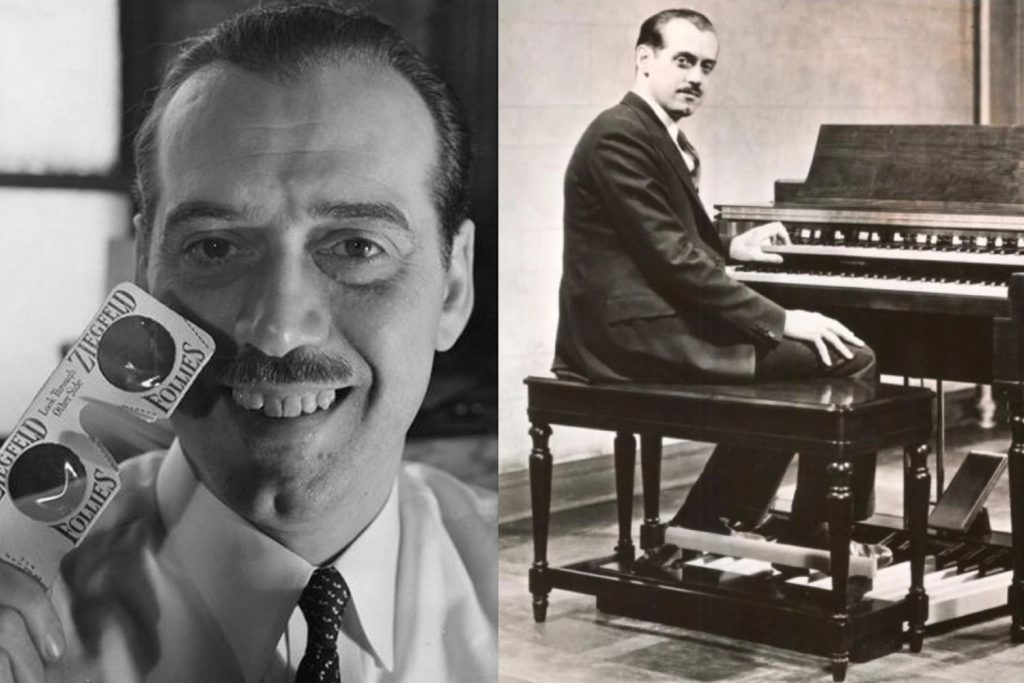
The Optigan itself was a keyboard designed for the mass consumer market. It was first put on the market in 1971 by a subsidiary of the well-known Mattel toy company. Subsequently, there were numerous different models of Optigan produced over its tenure in stores. However, no one is sure of what exact model TISM used.
What made the Optigan interesting was its design, which employed the use of pre-recorded optical soundtracks in order for it to produce tones. This made the Optigan different to the various other consumer-level keyboards that were available at the time.
Charvel Model 3B Bass
TISM bassist Jock Cheese has long been spotted with his vintage Charvel Model 3B bass. Introduced during the mid 80s, Charvel’s model series of bassists served as Jackson Guitar’s first venture into producing imported guitars that would sell at a lower price point than Jackson’s own custom shop models from the era.
The Model 3B is notable for a variety of reasons, foremost is its neck-through design, which is quite similar to that of the Jackson Soloist model. Another notable feature of the Charvel Model 3B is its dual J bass-style pickups.
These features all combine to make the Model 3B an extremely comfortable bass that packs a punchy sound. If you are on the hunt for your own Charvel bass its best you get on it quickly, as models produced in Japan’s famous and now defunct Chushin Gakki Factory are rapidly increasing in price since the pandemic era.
Roland Juno 60
The Juno 60 is a longstanding classic within the world of analogue synthesisers, first appearing on the market in 1982 as a successor to Roland’s prior Juno 6.
The Juno 60 was designed to be a cheaper alternative to other, more expensive synthesisers of this era, with its key characteristic being its built-in chorus effect. Initially, this chorus effect was implemented as a means to make up for the Juno 60’s weaker single oscillator sound. However, it ended up becoming a defining feature of the unit. Even enjoying a special stompbox release courtesy of TC Electronics aimed towards guitar players decades later.
The Roland Juno 60 has enjoyed continued relevance via its use by techno producers during the 1990s, and the 2000s saw it see a considerable resurgence as it found prominence among numerous indie, synthwave and pop artists.
G&L Asat Special
TISM guitarist Vladimir Lenin McCartney I made extensive use of a G&L Asat Special that was later auctioned off via eBay after his tenure with the band was up.
G&L is famously known as Leo Fender’s third instrument company, conceived after his departure from Fender. Many of G&L’s designs served as updates to classic Fender models, providing the perfect template for Leo to experiment with new concepts for pickups, neck carves and other features.
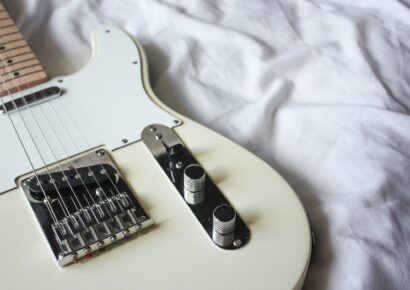
The Asat Special is obviously derived from the Fender Telecaster, sharing its single cut silhouette amongst other design aspects. The Special differentiates itself from other Asat models with its specially designed and somewhat unusual MFD pickups, considered a cult classic amongst discerning guitar players worldwide.