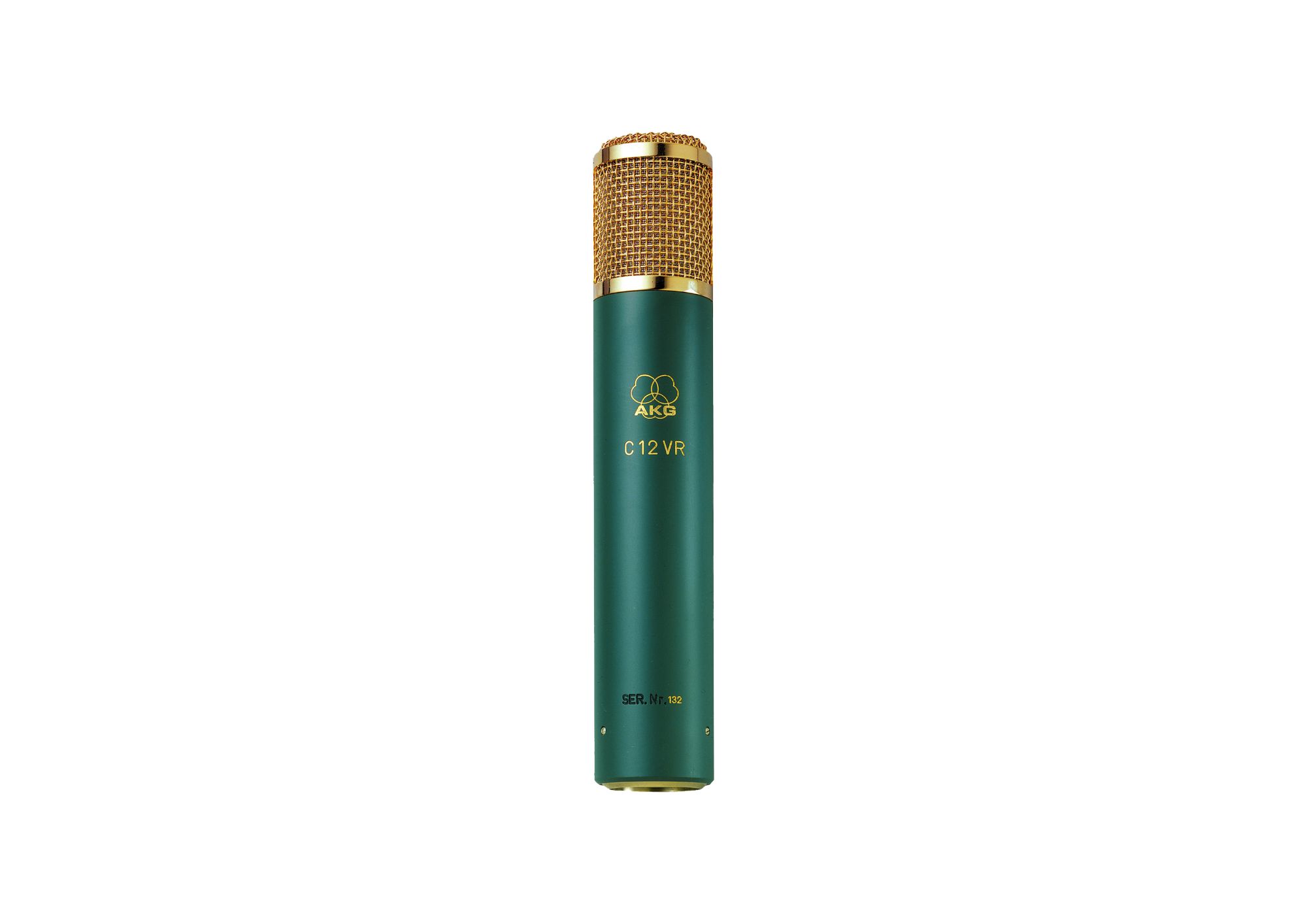
Sonically, the AKG C12VR is everything you’ve imagined and more.
On the Mount Rushmore of studio microphone brands there are a few familiar faces, most of them German (or Austrian) being Neumann, Telefunken, Microtech Geffell and of course, AKG. For close to 100 years, these four companies have represented the lion’s share of premium microphone design as it pertains to the professional (and I stress the word professional) studio market, encompassing the very top tier of the economies of scale commonly associated with the modern recording industry. Yes the price tags are eye-watering, but the intended applications are lucrative and the audiences global. These are tools not toys, allowing engineers to achieve premium and highly musical results with minimal revisions or processing required.
Time is money, after all.
AKG’s C12VR reference multi-pattern tube microphone very much comes from this tradition, providing premium quality capture in the open air and boasting the kind of immediate musicality that most microphones dream of, even today.
Catch up on all the latest reviews here.
Building on the iconic C12, the modern, updated AKG C12VR is a more robust and reliable workhorse than its predecessors, yielding the same crystal clear sound of the original, while harnessing the best in modern technology and combining it the the classic edge-terminated CK-12 capsule and sparkling ‘Goldklang’ voicing that AKG is known for.
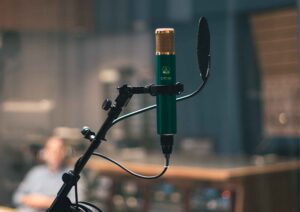
A supremely low-noise result brings together modern recording expectations and vintage colour, the sound of the mic bolstered by a single vacuum tube, coupled with a switchable and sweepable polar pattern. The AKG C12VR is your go-to for those special sources like lead vocals, brass, guitars and roominess on any source.
The tube itself is a 6072A, a dual triode preamp tube known for great sound and low noise. This aids the mic’s 72 dB-A signal to noise ratio, the tube bolstering the source in a way that only tubes can, without adding excessive noise or muck to your recording. The C12VR responds from 30Hz all the way to 20kHz, so can be used for great results on just about any source. It includes a low-cut/high-pass filter of either 100Hz or 130Hz, or no low-cut at all of course.
Sonically, the AKG C12VR is everything you’ve imagined and more.
On a male voice, the sound is rich, complex and detailed, putting the recorded source right in front of you. Moving to and from the mic and capsule gives the low end presence and proximity effect that condensers are known for, large diaphragm tube condensers especially. The beauty of the C12VR is the way it captures the space around the source as well, pushing the ambient noise backwards and crystallising the source in front of you. A supremely difficult thing to do in a mix is to add depth to a stereo or immersive mix, but the AKG does the heavy lifting for you at the source. Toggling the sweepable polar pattern can blend in more or less of the ambience, the full-tilt figure of eight pattern settling the source back into the room, while the opposite end of the spectrum offers an omni setting that captures plenty of ambience with detail and clarity.
For a vocal a few inches from the mic, I found pushing the dial a little beyond the cardioid towards figure of 8 captured a sound that was natural above all. There was enough ambience, plenty of the source, and the vocal settled into an already dense mix with ease. The warmth and heft of the 6072A seemed to attenuate harsh high end a little while bolstering the lows, the signal needing very little work to sound finished and mixed.
An acoustic guitar, however, was a whole different story. A lead vocal is usually the star of a mix, so it was no surprise that the mic helped push it to the forefront. An acoustic guitar, more often than not, serves a supporting role. Nestled beneath a lead vocal, or used as an added texture beneath electric guitar, acoustics sometimes even play a percussive role.
The AKG C12VR truly brings an acoustic guitar to life, and I can only surmise it would serve a similar purpose for any acoustic stringed instrument. While still able to be nestled into a mix if needed, the C12VR did a great job of capturing the character of an acoustic guitar. While yes, the low end is rich, balanced and consistent, the top end being sparkling and detailed, there was another feeling that was augmented and captured, the acoustic guitar really felt like it was singing. No harshness, no overblown mud, just rich guitar, poking through the mix in a great way. The C12VR achieved something I’ve struggled to do in a mix, because no amount of EQ or saturation can subtly augment a source like a tube condenser can, the AKG C12VR doing its job to capture magic and helping the result to ebb and flow more naturally.
A holy grail mic for your locker, the C12VR ties together the timeless capture of the classic C12 heard across countless records, trusted by producers and artists alike. The C12VR brings modern design philosophy to a classic sound, offering a more reliable and clearer sound with a lower noise floor, more refined polar pattern and the same, classic robust sound of a tube condenser.
A stellar option for sources like tenor or femme vocals, acoustic guitars, strings or anything requiring that expensive sheen, this mic is equally magical on lower stakes sources like rooms, and offers a special magical quality on acoustic and peripheral instrumentation. Their character is captured, augmented and amplified with the C12VR, perfect for nestling into a mix as an interesting earworm, or instead transforming the source into a star. Harmonic richness without mud, this tube condenser does exactly what every recording, mixing and mastering tutorial implores you to do: get it right at the source.
For more info, keep reading with MadisonAV.