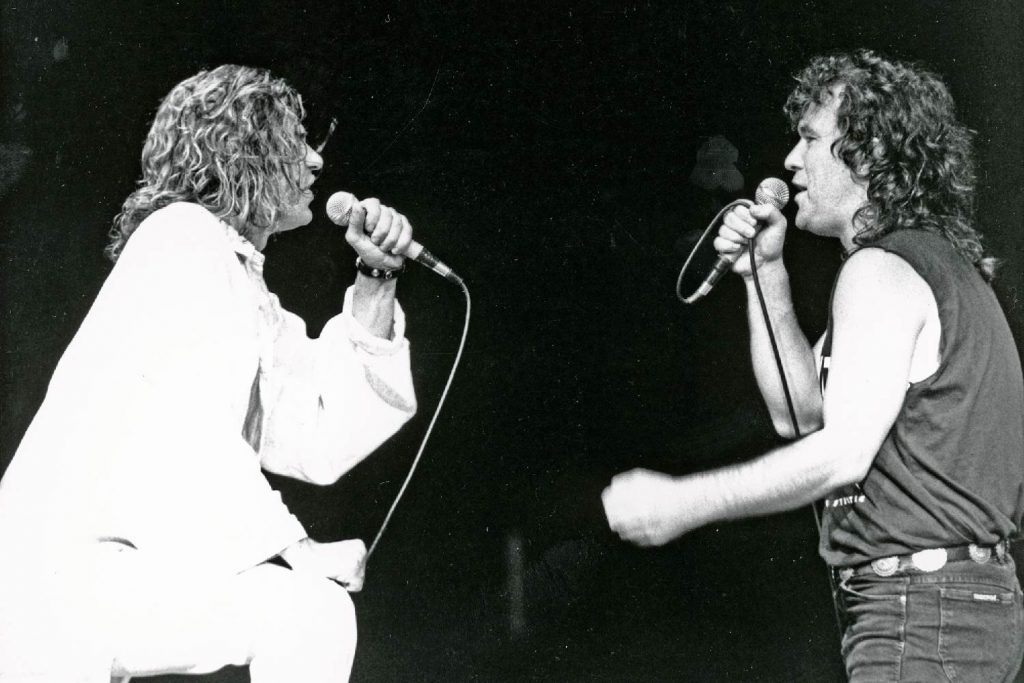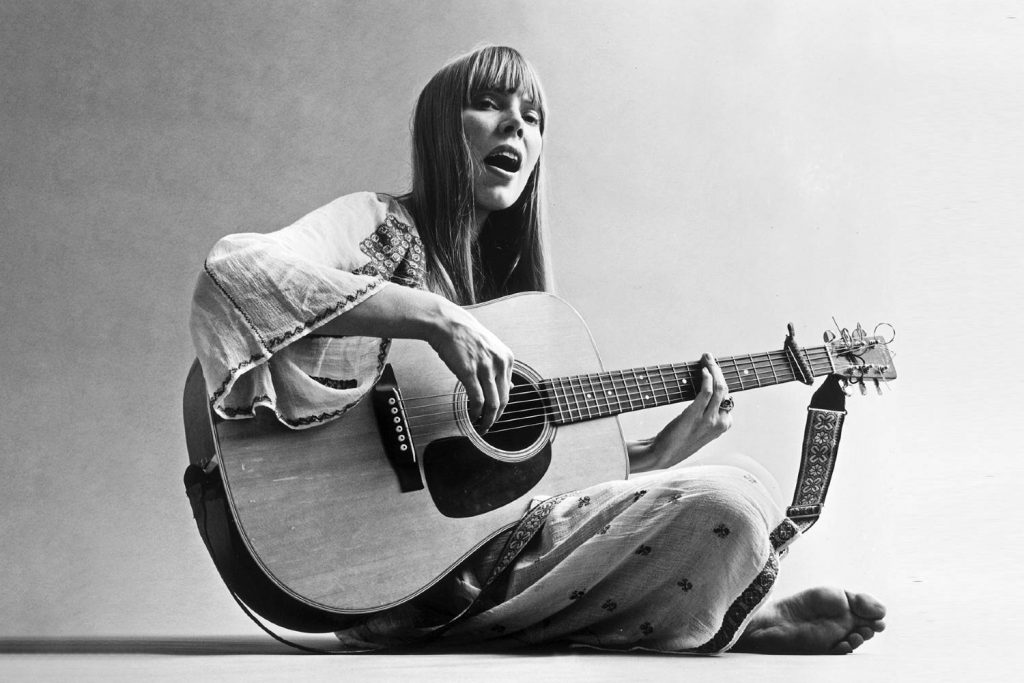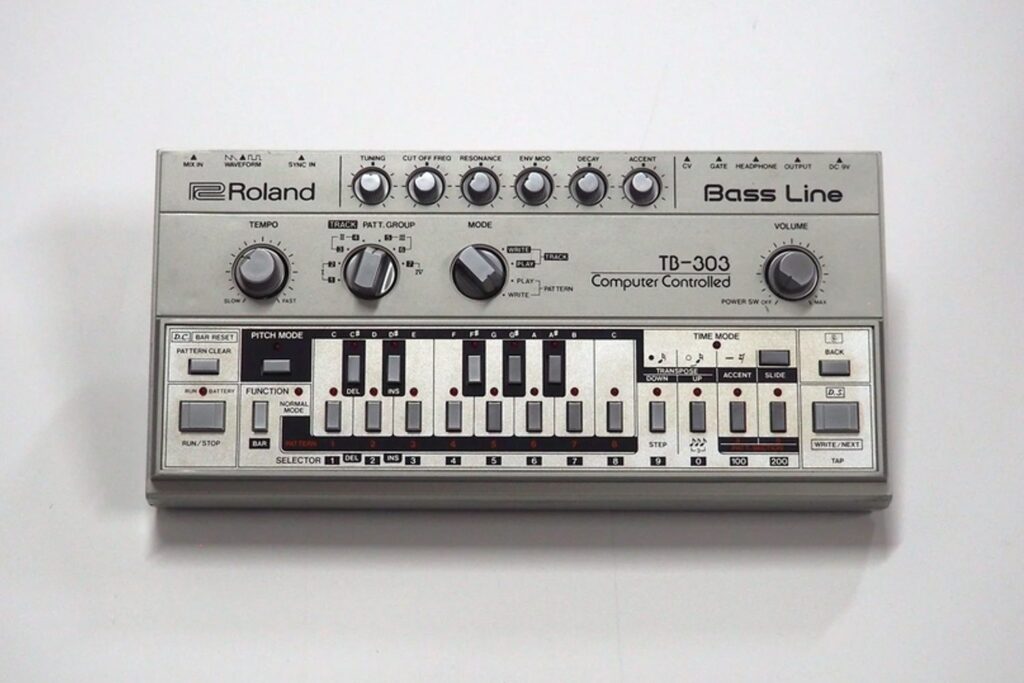
Prolific, humble and proudly DIY, Alex G is the kind of artist who built a world before the industry caught up.
Long before labels and press cycles, he was uploading songs into the early days of MySpace, sharing raw recordings with little separation between idea and release. Even then, there was a sense he was documenting instinct rather than crafting a brand.
Alex G’s music moves through art brut textures, fringe Americana and indie rock without ever settling in one place. Nothing feels restricted. One track can sound like a warped TV show intro, another like lo-fi video game music, another like something your misfit older brother recorded in his bedroom.
Alex G’s approach always stood out and stuck with me. He made DIY feel accessible without lowering the ceiling. The tools were simple, but the outcomes still felt expansive and universal. It was not about what he had, but how he used it. Especially at a time when music gear and software felt out of reach.
Read up on all the latest features and columns here.
Samson Q1U USB Microphone & Neumann U87 clone
Alex G’s bedroom feeling is not accidental. Much of his early catalogue was recorded using a single Samson Q1U USB Microphone plugged straight into a laptop – the same mic he had since his teenage years. No elaborate signal chain, no treated room, just one mic capturing whatever was happening. Guitar and vocals often bleed together, levels occasionally push into distortion, and mic placement becomes the main mixing tool.
It wasn’t until the recording of House of Sugar that Alex G reached for something different. For that album, he used a clone of the Neumann U87 built by Tom Kelly, marking the first time he had ever recorded with a microphone other than the Samson Q1U.
GarageBand & Logic Pro
Much of Alex G’s material was recorded and arranged in GarageBand, later transitioning into Logic Pro. Rather than relying on third-party plugins or high-end processing, he leans heavily on stock tools. Reverbs are sometimes oversized or sit in unusual places, compression is used more for feel than control, and pitch-shifting becomes a creative tool rather than a corrective one. His approach prioritises speed and capturing ideas quickly before they lose energy. This is why his recordings often feel almost untouched by time.
Fender Jazzmaster
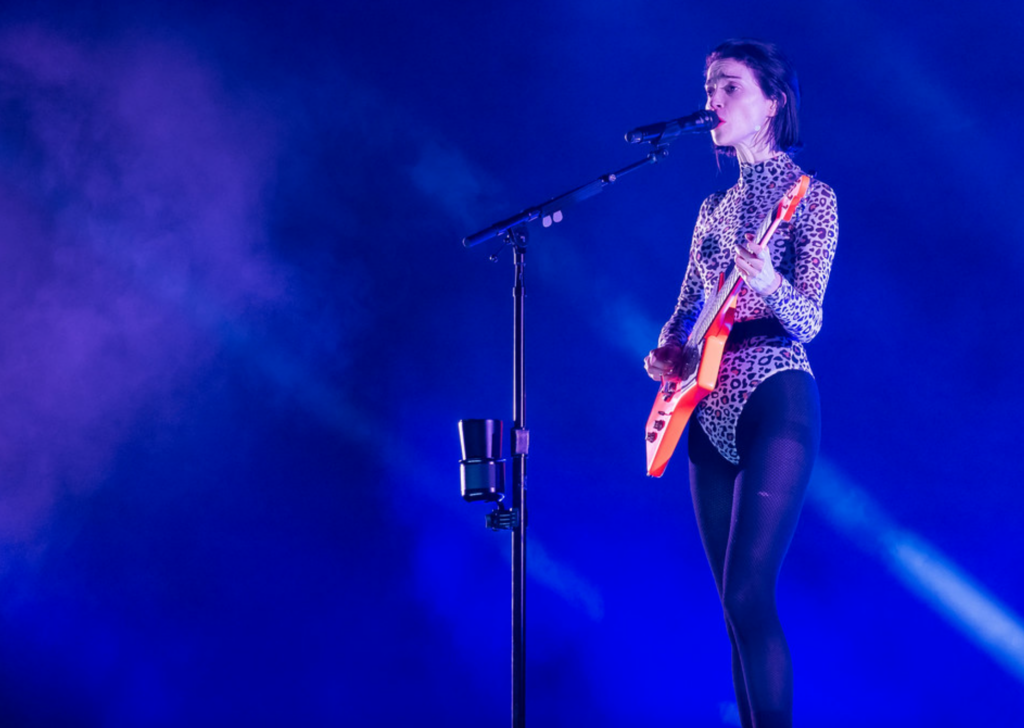
If there is one guitar most closely associated with Alex G, it is the Fender Jazzmaster. Seen consistently across live performances and music videos throughout his career, the Jazzmaster suits his approach well – its slightly unusual pickup configuration and distinctive tonal character sit naturally in the kind of layered, textured recordings he gravitates toward. Like much of his gear, it is not about chasing a specific tone, but about familiarity and feel. Slight imperfections and inconsistencies are left intact, reinforcing the raw and immediate quality of his recordings.
Fender CD-60CE & Fender Paramount Series
On the acoustic side, Alex G has been associated with two Fender models. The CD-60CE is an acoustic-electric that appears consistently across gear databases as his acoustic guitar of choice – a straightforward, accessible instrument that suits his no-fuss approach to recording. The Fender Paramount Series has also been spotted in his hands, most notably during his NPR Tiny Desk performance, where the label was visible through the sound hole.
Framus Panthera
Alongside the Jazzmaster, the Framus Panthera has also been spotted in Alex G’s hands over the years and is allegedly a long-time mainstay – a guitar he has been using since his teenage years. It has remained a constant throughout his career, not as a statement piece, but as a reliable tool for writing and recording. Like much of his gear, it is not about chasing a specific tone, but about familiarity and feel. Slight imperfections and inconsistencies are left intact, reinforcing the raw and immediate quality of his recordings.
Roland Jazz Chorus & clean amplification
On the amplification side, clean tones dominate. Amps like the Roland Jazz Chorus provide a flat, uncoloured base that captures the guitar without adding too much character. Rather than sculpting tone through amps or pedals, Alex G often lets the recording process shape the final sound. This approach keeps the source material simple, allowing layering, mic placement and in-the-box processing to do the heavy lifting.
DigiTech Bad Monkey Tube Overdrive & Ibanez TS9 Tube Screamer
If you love watching live performances, you might have noticed Alex G using a DigiTech Bad Monkey Tube Overdrive. It is the kind of pedal a lot of musicians gravitate toward because it is simple, affordable and reliable, adding a midrange boost and a bit of grit. In Alex G’s case, it is not about heavy distortion but about giving clean tones a bit more presence and edge, so they sit better in a mix or cut through in a live setting. The Ibanez TS9 Tube Screamer has also been spotted on his board – another classic overdrive circuit that operates in a similar territory, warm and midrange-focused rather than heavy or saturated.
For me, discovering Alex G was not about finding a polished indie artist. It was about finding someone who makes music like it needs to exist – imperfect, instinctive and completely his own.