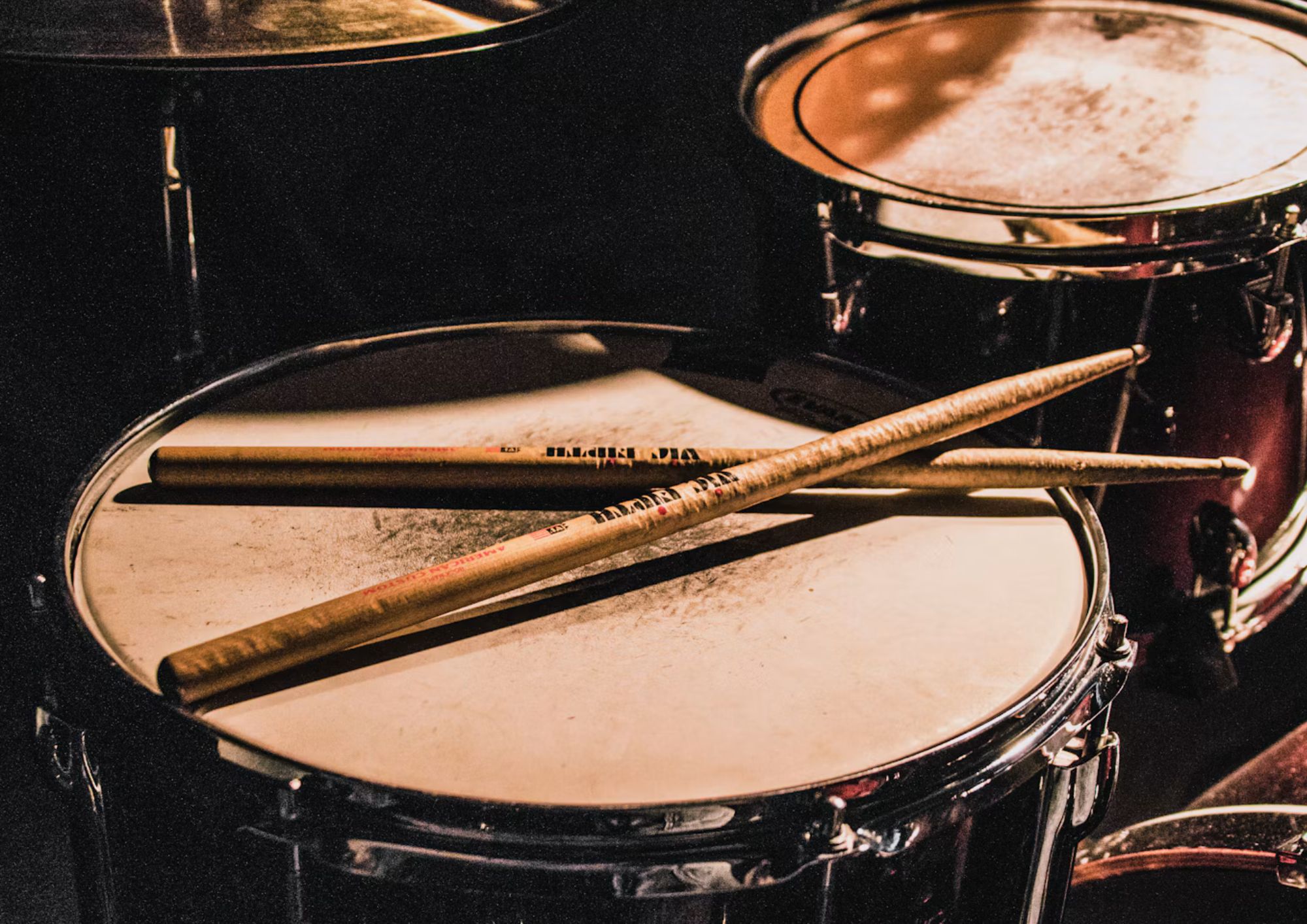
Gated reverb, Eventide Harmonizers and a stairwell at Headley Grange all feature in our pick of some of the most influential snare sounds ever recorded.
The snare dates a record faster than almost any other instrument. A tuning, a reverb or one odd piece of outboard can define a whole decade, and plenty of engineers have spent entire careers chasing the sounds below. Here, in chronological order, are 15 snares that shaped the sound of their era.
The Ronettes – “Be My Baby” (1963)
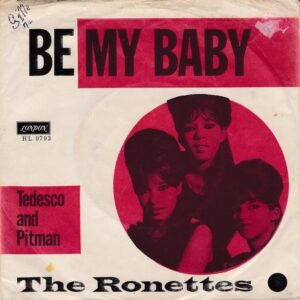
It starts with Hal Blaine’s boom, ba-boom, crack, and the snare on the four is one of the most imitated sounds in pop. Recorded at Gold Star Studios in Los Angeles for Phil Spector, it gets its size as much from the room and Gold Star’s echo chambers as from the drum itself, buried deep in the Wall of Sound yet still cutting through everything around it.
The Winstons – “Amen, Brother” (1969)
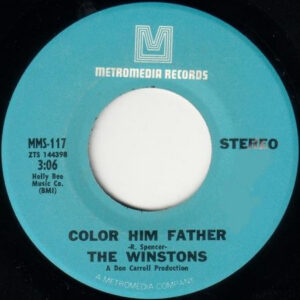
Tucked away on the B-side of “Color Him Father”, G.C. Coleman’s four-bar drum break became the Amen break, the backbone of decades of hip-hop, jungle and drum’n’bass. The sound is bright, crisp and poppy, the gold standard for an upbeat soul number. Producers have sped its snare up, chopped it and rearranged it until it’s barely recognisable, and Coleman never saw a cent from any of it.
James Brown – “Funky Drummer” (1970)
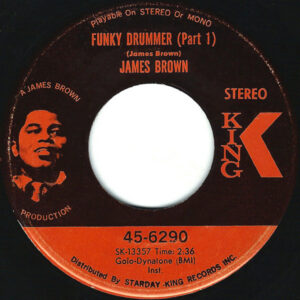
When Brown calls for the drummer near the end of the track, Clyde Stubblefield plays a break that hip-hop producers from Public Enemy onwards would build whole tracks on. The snare is light and busy, with ghost notes falling between the backbeats, and that’s what makes it groove so hard. Plenty of people know this snare without ever having heard the original song.
Led Zeppelin – “When the Levee Breaks” (1971)
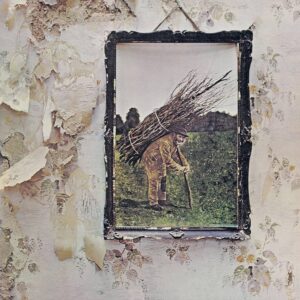
John Bonham’s kit was set up in the stairwell at Headley Grange, and engineer Andy Johns hung mics on the landings above it to capture the room rather than the drums up close. What you hear is the whole building ringing, with the crack bouncing off the stone walls on every backbeat. Sampled by everyone from the Beastie Boys onwards, it’s still the sound people mean when they talk about recording drums in a big space.
Joe Cocker – “Woman to Woman” (1972)
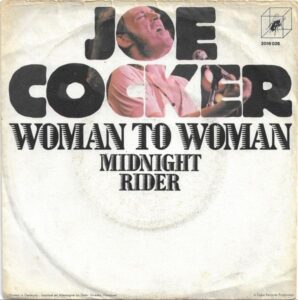
Most people know “Woman to Woman” through its piano and horn riff, which Dr. Dre used for 2Pac’s “California Love”, but it’s the drums that earn the song its place here. The snare is weighty, dry and fat, sitting just behind the beat with a loose, heavy feel that gives the whole track its vibe.
Elton John – “Saturday Night’s Alright for Fighting” (1973)
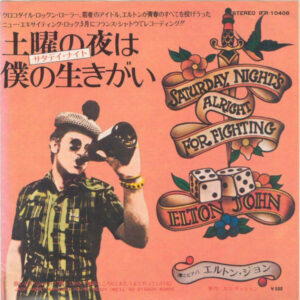
Recorded at the Château d’Hérouville in France for Goodbye Yellow Brick Road, this swaggering, glitzy rocker is driven by Nigel Olsson’s snare, with a punchy, boxy, mid-focused sound that cuts straight through the heavy piano and Davey Johnstone’s guitar chords with memorable ease.
ZZ Top – “Precious and Grace” (1973)
From Tres Hombres, the album that made ZZ Top stars, “Precious and Grace” is built on the late Frank Beard’s snare-heavy shuffle. Beard keeps it relentless without crowding the space around Billy Gibbons’ guitar, and his snare is tight and dry, with an almost airless quality that puts it right up against Gibbons’ riff.
David Bowie – “Sound and Vision” (1977)
Bowie recorded much of Low at the same French château as Elton, and producer Tony Visconti ran Dennis Davis’s snare through an Eventide H910 Harmonizer. The pitch-shifting effect produced a downward-sliding thwack unlike anything else on record at the time, and engineers have been trying to recreate it ever since.
AC/DC – “Back in Black” (1980)
Recorded at Compass Point Studios in the Bahamas with Mutt Lange producing, Back in Black has a famously dry, uncluttered drum sound, and Phil Rudd’s snare is the heart of it. There’s no big reverb and nothing fancy, just a punchy crack sitting dead on the beat while the guitars do the talking. More than 45 years on, it’s still the benchmark for a no-frills rock snare.
Phil Collins – “In the Air Tonight” (1981)
Gated reverb was discovered during the sessions for Peter Gabriel’s third album, when Collins was drumming and Hugh Padgham was engineering, but “In the Air Tonight” is the song that made it famous. The tom fill is the moment everyone air-drums to, while the snare’s huge, abruptly cut-off decay went on to dominate the rest of the decade. Few production tricks have been copied as widely or dated as quickly. It’s a sound many of us love to hate, but it’s about as distinctive as it gets.
Michael Jackson – “Billie Jean” (1982)
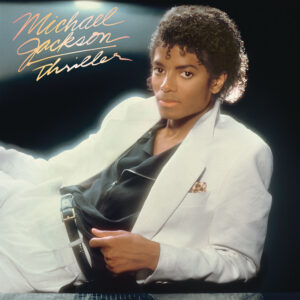
Bruce Swedien built a dedicated drum platform and covers for the kit on Thriller, and the snare that came out of those sessions, played by Leon “Ndugu” Chancler, is tight, dry and dead centre. Next to the gated reverb happening elsewhere in 1982, it’s strikingly restrained, which goes a long way to explaining why it still sounds modern and why mixing engineers hold it up as the model for a pop snare that cuts through.
Prince – “When Doves Cry” (1984)
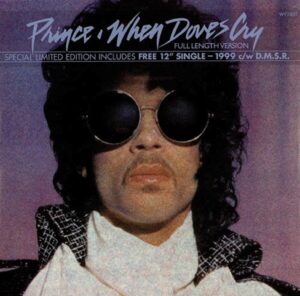
Prince famously stripped the bassline out of “When Doves Cry” at the last minute, leaving a processed Linn drum machine to carry most of the track. With nothing below it to compete with, the snare snaps through and sounds far bigger than a drum machine has any right to, holding the entire song up almost on its own.
Bruce Springsteen – “Born in the U.S.A.” (1984)
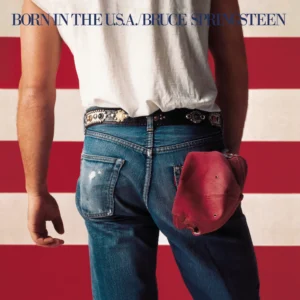
If one snare sums up stadium rock in the ’80s, it’s Max Weinberg’s here. Bob Clearmountain’s mix gives it an enormous reverb that turns every backbeat into a cannon shot, and Weinberg hits it hard enough to live up to it. 80s drum sounds aren’t for everybody, but this one is burnt into our memory for good reason.
Queens of the Stone Age – “No One Knows” (2002)
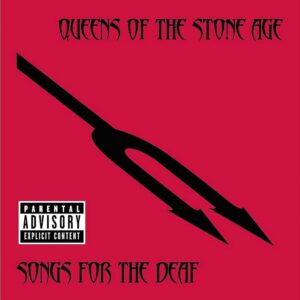
Dave Grohl stepped in on drums for Songs for the Deaf, and his playing on “No One Knows” is some of the best of his career. The drums and cymbals were tracked separately to keep cymbal bleed out of the drum mics, which meant Grohl had to nail the same part twice, first on the shells with pads standing in for the cymbals and then again for the cymbals alone. The snare is loud, dry and punchy, recorded with plenty of attack and very little decoration, and more than 20 years later it still sounds huge.
Ty Segall – “Every 1’s a Winner” (2018)
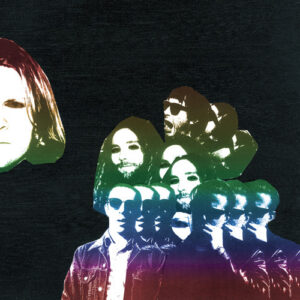
Segall’s cover of the Hot Chocolate disco hit, from Freedom’s Goblin, was recorded with Steve Albini at the controls, and you can hear it in the drums. The snare is dark, heavy and bone dry, turning a slick disco tune into a heavy garage rock opus.