In light of the passing of Australian show business legend Molly Meldrum, we take a look back at his best moments behind the mixing desk.
Australian music legend Ian “Molly” Meldrum has died aged 83.
The former Countdown host and Hey, Hey It’s Saturday star had long been in ill health and died at 5.30am Monday at the Epworth Hospital in Richmond.
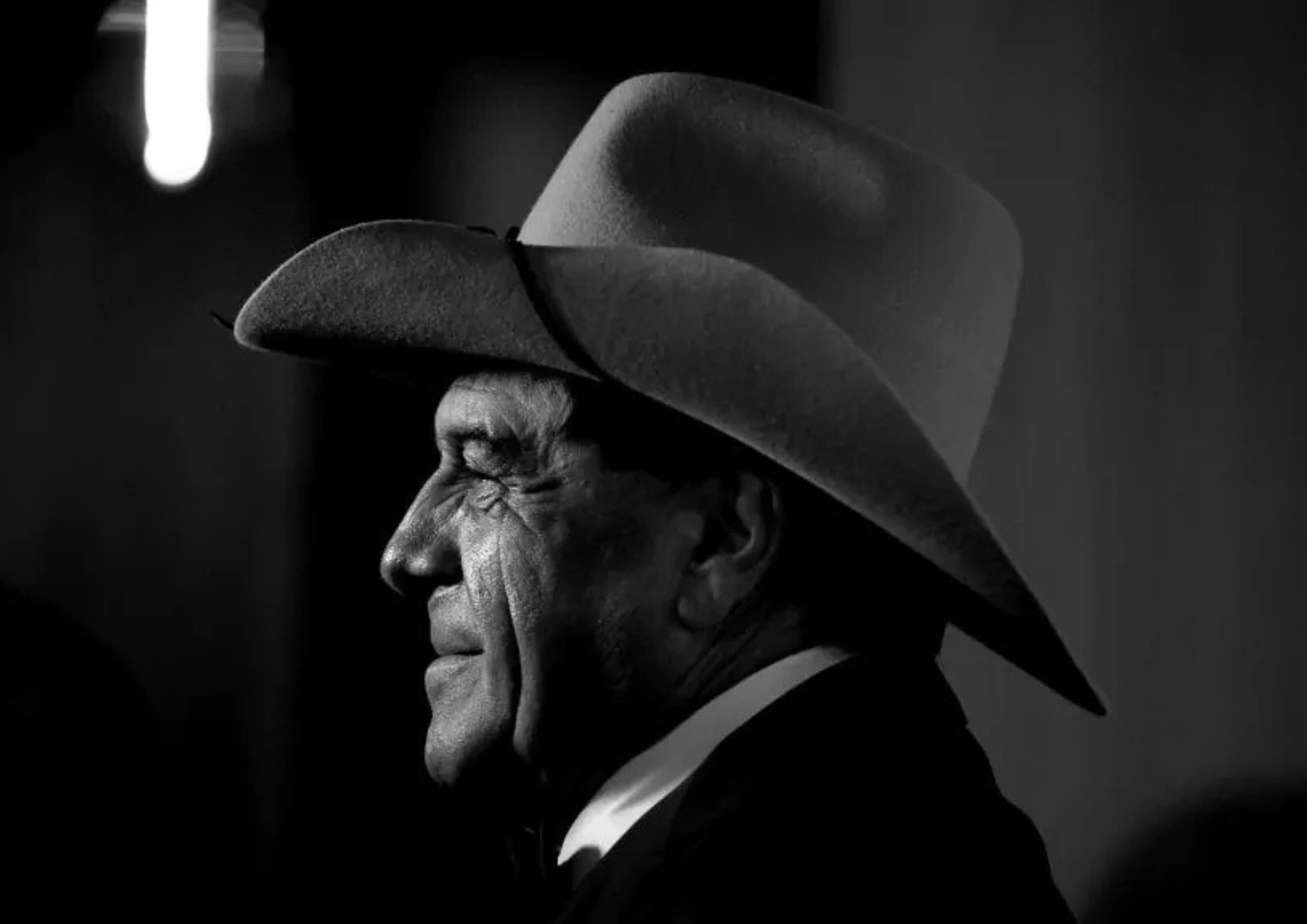
For most Australians, he’ll be remembered as the man in the Stetson on Countdown, the champion of local bands on Hey Hey It’s Saturday and the voice who told a generation to do themselves a favour. His family described him as “the heartbeat, the champion and the spirit of Australian music”, and some of his most lasting work on that front was done in the studio, years before the television cameras found him.
Meldrum never trained as a producer. He learned on the job, following his friends in The Groop into Melbourne’s Armstrong Studios in late 1966 to watch them record, and soaking up production and engineering techniques from studio owner Bill Armstrong and house engineer-producer Roger Savage. By the end of the decade, that education had produced one of the most ambitious records ever made in this country.
“The Real Thing” – Russell Morris (1969)
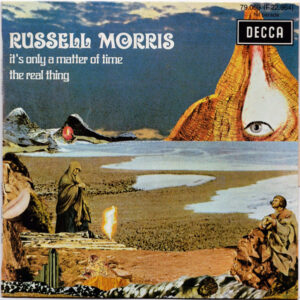
Russell Morris was 18 and fresh out of Melbourne pop band Somebody’s Image when Meldrum, by then his manager, went looking for a song to launch his solo career. He found it in “The Real Thing”, a Johnny Young song originally imagined as a simple acoustic ballad, and sessions at Armstrong began with a conventional three-minute single in mind.
Working with engineer John L. Sayers, Meldrum instead spent around eight months turning it into a six and a half minute psychedelic epic, layered with effects and tape trickery and topped off with his own voice, which can be heard talking on the finished track. Members of The Groop, including Brian Cadd, Richard Wright and Don Mudie, played the backing track, though they couldn’t be credited because they were signed to a different label. Meldrum’s instructions in the studio were famously abstract, at one point asking for the track to sound like “very white stars on a very cold night”.
When the bill passed $10,000, roughly what an entire album cost at the time, EMI panicked, tried to seize the tapes and sacked Meldrum, and it became the most expensive single recorded in Australia to that point. It earned every cent back. “The Real Thing” went to number one in Sydney, Melbourne and Brisbane, topped the charts in Chicago, Houston and New York, and has become one of the defining Australian records of the era. It was added to the National Film and Sound Archive’s Sounds of Australia registry in 2013, and found a new audience decades later through The Dish soundtrack and a Midnight Oil cover. Cadd later called it “a monumental moment in our history”.
“Part Three into Paper Walls” – Russell Morris (1969)
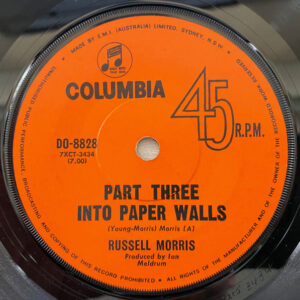
Meldrum and Morris followed it with something just as ambitious. “Part Three into Paper Walls”, co-written by Morris, was built as a deliberate sequel to “The Real Thing”, and its staccato brass lines and frequent changes made it the harder of the two to play live. It gave Meldrum a second top ten hit in the same year.
“Smiley” – Ronnie Burns (1970)
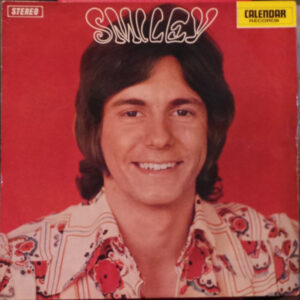
Ronnie Burns’ “Smiley” made the top ten in the early ’70s, trading psychedelia for clean, radio-ready pop built around a strong vocal. Next to the sprawl of “The Real Thing”, it showed a lighter touch and an ear for a hit that would serve Molly well once he moved in front of the camera.
“I Like It Both Ways” – Supernaut (1976)
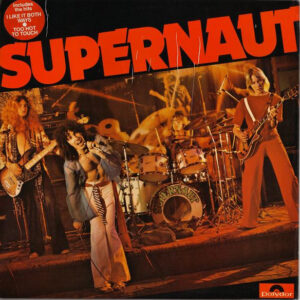
By the mid-’70s, Meldrum was the face of Countdown, but he hadn’t left the studio behind. Supernaut’s “I Like It Both Ways” gave him a glam-rock top ten hit, and alongside The Ferrets’ “Don’t Fall in Love”, it later sat next to “The Real Thing” on the soundtrack of Molly, the 2016 miniseries about his life.
Beyond the desk
Meldrum’s production credits are relatively few next to his decades on television, but they shaped how he worked as a tastemaker. He understood how records were made, and that knowledge fed into the bands he backed on Countdown, his friendship with Mushroom Records founder Michael Gudinski and his own label, Melodian Records, which he founded in 1988.
More than five decades after EMI tried to take the tapes off him, “The Real Thing” is still considered one of the finest songs of its time, with Meldrum’s production choices cementing it as the definitive example of Australia’s psychedelic era.
Catch up on all the latest features here.