We’re back with another round of albums with expertly crafted mixes, from 1960s studio sessions to modern home productions.
Our first list of the best-mixed albums of all time received such a great response that we’ve gone back for 20 more. This round brings in obvious choices like The Dark Side of the Moon and Thriller alongside records made in a Swiss hotel corridor, a bedroom in Highland Park and a rented house in Calabasas, running from 1968 all the way to 2024. Once again, they’re in no particular order.
Catch up on all the latest features here.
Machine Head – Deep Purple (1972)
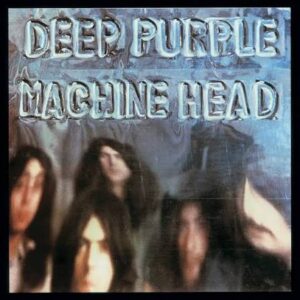
Deep Purple planned to record Machine Head at the Montreux Casino until it burned down during a Frank Zappa show, which gave them “Smoke on the Water” and sent them to the empty Grand Hotel instead. Martin Birch recorded the band in the hotel’s corridors on 16-track tape with no noise reduction, using mattresses as baffles, while the Rolling Stones Mobile Studio was parked outside. Despite the horrific conditions, the album sounds spectacular, with superb separation, blistering guitar and organ tones that sit just right and a tough as nails vibe that never gets old.
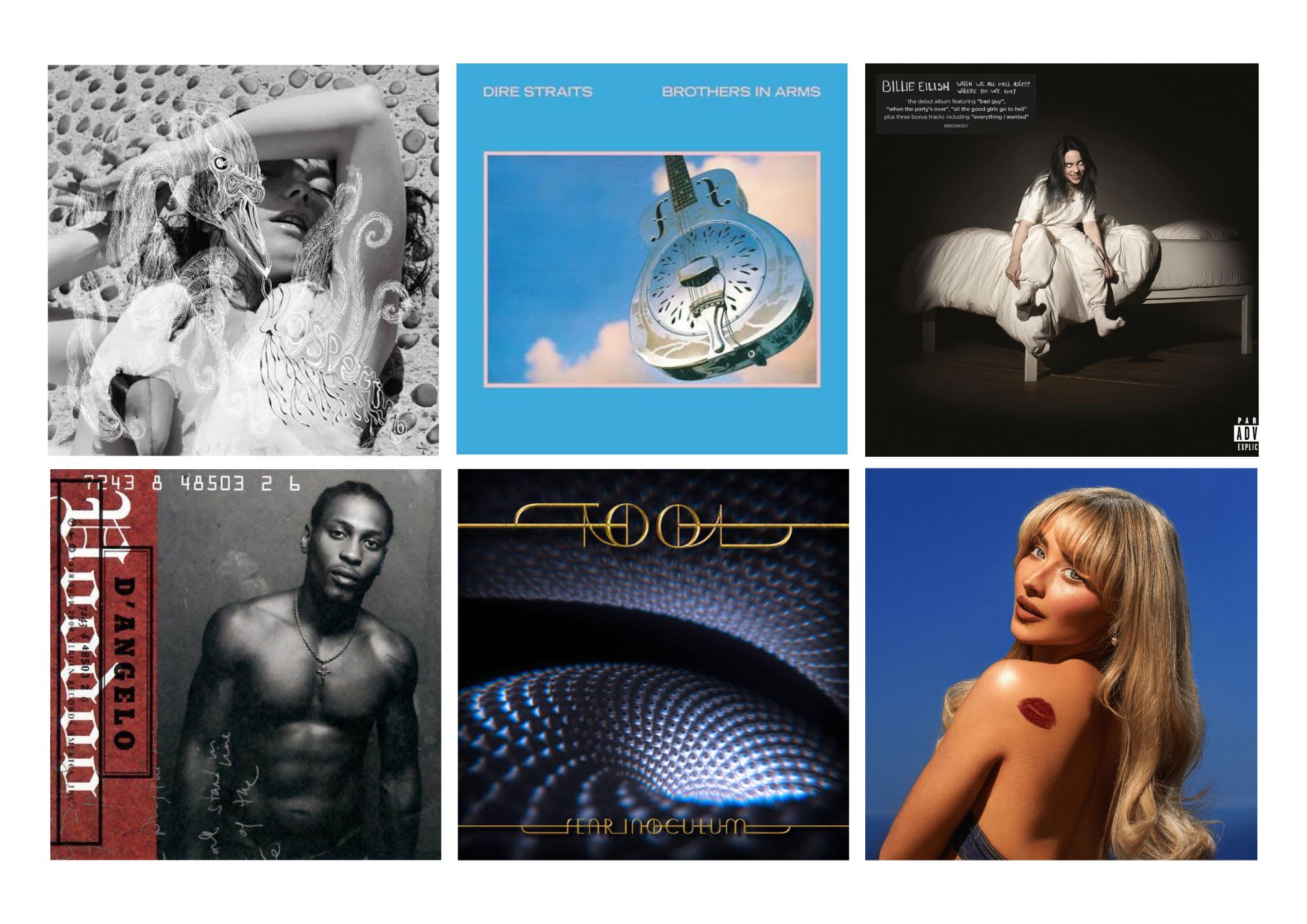
When We All Fall Asleep, Where Do We Go? – Billie Eilish (2019)
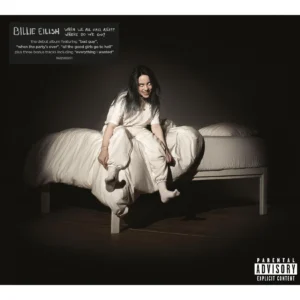
Finneas recorded his sister’s debut in his small bedroom studio in Highland Park, mostly using the plugins that came with Logic, then sent the songs to mixer Rob Kinelski already compressed and panned. The bedroom had exaggerated the low end, so Kinelski and mastering engineer John Greenham had to rein it in. What’s left is a record of extremes, with Eilish’s whispered vocals right against your ear and a sub-bass on “bad guy” that hits harder than plenty of big-studio records. It won Best Engineered Album on the same night it took Album of the Year.
Brothers in Arms – Dire Straits (1985)
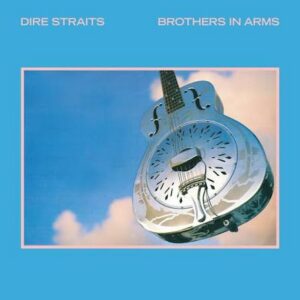
Mark Knopfler and co-producer Neil Dorfsman recorded Brothers in Arms at AIR Studios on Montserrat using an experimental Sony 24-track digital machine, then mixed it through an analogue console and back to digital, so it came out as a fully digital release when most rock records were still made on tape. Everything has a lot of air around it, from the slow fade-in that opens “Money for Nothing” to Knopfler’s clean, unhurried guitar on the title track, and for years it was the disc hi-fi salespeople reached for when they wanted to show off a new CD player.
Vespertine – Björk (2001)
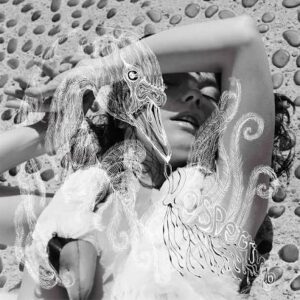
Björk made Vespertine with the internet in mind, choosing harp, celeste and music box partly because their delicate tones wouldn’t fall apart when the album was downloaded through Napster. With Matmos she built “microbeats” out of household sounds like shuffling cards and cracking ice, and Mark “Spike” Stent’s mix keeps all that tiny clicking and crackling audible under a voice that’s often barely above a whisper, so the record feels like it’s happening a few centimetres from your ear. Incredible work.
Wichita Lineman – Glen Campbell (1968)
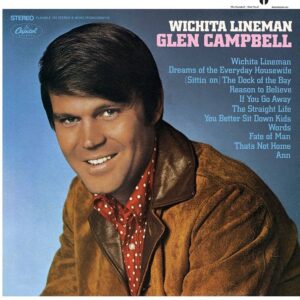
Al De Lory produced and arranged Wichita Lineman at Capitol’s Hollywood studios with members of the Wrecking Crew, and it was Carol Kaye who came up with the descending bass line that opens the title track. De Lory overdubbed his strings about two and a half months after the band session, using high violins to imitate the “singing in the wire” from Jimmy Webb’s lyric. The mix keeps Campbell’s voice warm and up front with the orchestra floating behind him, and engineers Hugh Davies and Joe Polito won the Grammy for Best Engineered Recording for the album.
Sound & Color – Alabama Shakes (2015)
Producer Blake Mills and engineer Shawn Everett tracked Alabama Shakes together in one room at Sound Emporium in Nashville, isolating only the bass amp, and experimented so freely that their methods ruffled a few feathers at the studio. Everett then mixed the album at Ocean Way in LA, and the result swings from the crisp, dry soul of “Don’t Wanna Fight” to the fuzzy, blown-out guitars of “Gimme All Your Love”, with Brittany Howard’s powerful voice cutting through it all.
Breakfast in America – Supertramp (1979)
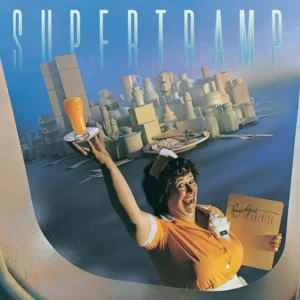
Peter Henderson co-produced, engineered and mixed Breakfast in America at the Village Recorder in LA, keeping every part separate and clean, partly by recording them in unusual places. On “The Logical Song”, Roger Hodgson’s Wurlitzer went into the drum booth and John Helliwell played his sax in the smallest room in the building, the toilet. The result is bright, tight and spotless, with every keyboard line and vocal harmony easy to pick out.
Voodoo – D’Angelo (2000)
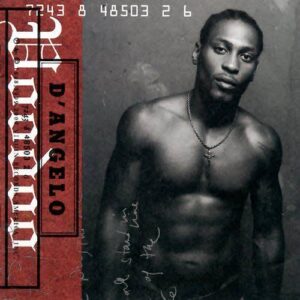
Russell Elevado spent three years recording and mixing Voodoo at Electric Lady, the New York studio Jimi Hendrix built, and he has said about 85 per cent of it was played live, with every note going to tape. Questlove’s drums drag behind the beat in the loose, “drunk” style he picked up from J Dilla’s programming, and Elevado credits his years mixing house music for the way Pino Palladino’s bass locks in with the kick. It’s thick, dark and warm, with D’Angelo’s stacked vocals melting into the band rather than floating above it.
The Dark Side of the Moon – Pink Floyd (1973)
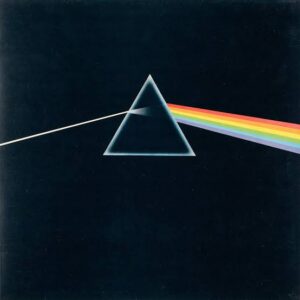
Alan Parsons engineered The Dark Side of the Moon at Abbey Road, then still called EMI Studios, and the record moves through ticking clocks, cash registers, spoken fragments and synths sweeping from one speaker to the other, all of it stitched into one continuous piece. Chris Thomas came in as mixing supervisor, which frustrated Parsons, who disagreed with some of his calls on compression and limiting. It has been a reference record for hi-fi listeners for more than half a century, and it earned Parsons his first Grammy nomination, though it lost to Stevie Wonder’s Innervisions, which we’ll get to in a moment.
Short n’ Sweet – Sabrina Carpenter (2024)
Serban Ghenea, whose mixes are all over Taylor Swift and Ariana Grande’s catalogues, handled six of the 12 tracks on Short n’ Sweet, including “Taste” and “Please Please Please”, with Jeff Gunnell mixing others. Carpenter’s vocal stays dry and right at the front across the whole record, over bright, bouncy production that never gets in the way, so none of her witty one liners get lost.
Thriller – Michael Jackson (1982)
The liner notes say Bruce Swedien recorded and mixed Thriller using the “Acusonic Recording Process”, and for years fans assumed it was some secret piece of studio gear. It was really Swedien’s name for syncing several 24-track machines together, which gave him enough tracks to record instruments in stereo. That’s why the album sounds so wide and punchy, with the kick and bass on “Billie Jean” locked dead centre while the synths and percussion spread out around them.
Battle Studies – John Mayer (2009)

Mayer and engineer Chad Franscoviak built a studio in a rented house in Calabasas, so far from public roads that news helicopters trying to film it ended up showing a neighbour’s roof. Steve Jordan co-produced and played drums, and Michael Brauer and Manny Marroquin mixed most of it, with Joe Ferla taking one track. It’s a warm, unhurried soft-rock record, with round, roomy drums and Mayer’s guitar tone sounding as good as it ever has, and all four engineers shared the Grammy for it.
Feats Don’t Fail Me Now – Little Feat (1974)
Little Feat recorded Feats Don’t Fail Me Now at Blue Seas Recording Studio in Hunt Valley, Maryland, on a 3M 16-track machine, with Lowell George producing most of it. The mix finds room for Tower of Power’s horns and backing vocals from Emmylou Harris and Bonnie Raitt without losing the loose, swampy groove of Richie Hayward and Kenny Gradney, and George’s slide guitar sounds greasy and close throughout. For one of the grooviest and most quickly identifiable drum sounds ever, check out the perfectly executed “Spanish Moon”.
Blackstar – David Bowie (2016)
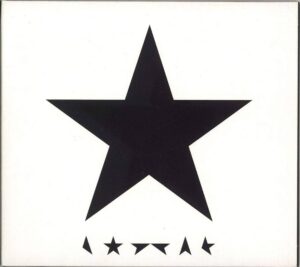
Bowie and Tony Visconti cut Blackstar at the Magic Shop with a band of New York jazz musicians. Tom Elmhirst, who had the room next door at Electric Lady, got the mix when Bowie walked into his control room and asked him. Elmhirst often works without the artist present, but Bowie and Visconti came in every afternoon to adjust balances and effects. The finished record is dark and restless, with Mark Guiliana’s skittering drums and Donny McCaslin’s saxophone pushing hard against a very low, heavy bottom end.
Christopher Cross – Christopher Cross (1979)
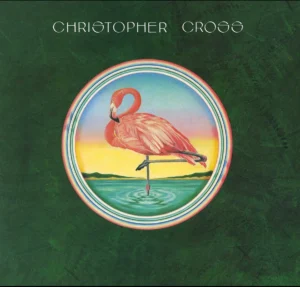
Cross’s debut was one of the first pop albums recorded digitally, on the 3M Digital Recording System at Warner Bros. Recording Studios in North Hollywood. Michael Omartian produced and Chet Himes engineered and mixed it, and it was Himes and Cross who decided near the end of the process to add the wind sound at the start of “Ride Like the Wind”. The sound is smooth and glossy, with Cross’s high tenor floating over shimmering electric piano and layered backing vocals, and the album went on to win five Grammys, including Album of the Year.
Come Away with Me – Norah Jones (2002)
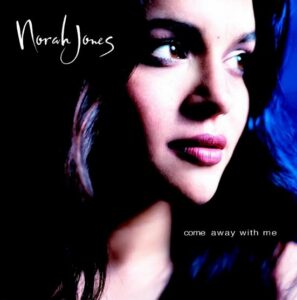
The “Don’t Know Why” on Come Away with Me is the first take from a demo session Jones and her band cut live at Sorcerer Sound in New York in October 2000, and Jay Newland, who engineered it, thought it was perfect and didn’t want another. Arif Mardin kept that take for the album, adding only harmonies and a doubled guitar, and the rest of the record keeps Jones’ voice and piano just as close, with the band barely raising its voice behind her. The delightful warmth of Jones’ voice and her exceptional phrasing truly shines on this record thanks to a delicately balanced and perfectly crafted mix.
Innervisions – Stevie Wonder (1973)
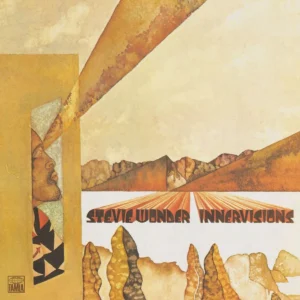
Wonder played all or almost all the instruments on six of Innervisions’ nine tracks, much of it through TONTO, the wall-sized synthesiser system built by co-producers and engineers Malcolm Cecil and Robert Margouleff. It gives the album a thick, rubbery low end and a bite you can hear in the synth bass and clavinet of “Higher Ground”, and it won Cecil and Margouleff the Grammy for Best Engineered Recording ahead of The Dark Side of the Moon and Goodbye Yellow Brick Road.
Fear Inoculum – Tool (2019)
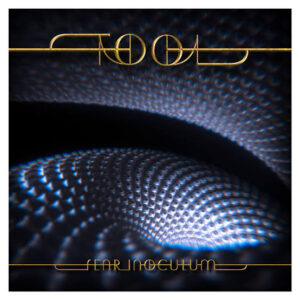
Thirteen years after 10,000 Days, Tool went back to Joe Barresi, who engineered and mixed the 85-minute album. With songs regularly running past ten minutes, Barresi had to keep Danny Carey’s enormous kit, Justin Chancellor’s bass and Adam Jones’ layered guitars out of each other’s way. The mix is huge and dynamic but never turns to mud, and Carey’s toms and Chancellor’s growling bass stay distinct even at the heaviest moments.
Riptide – Robert Palmer (1985)
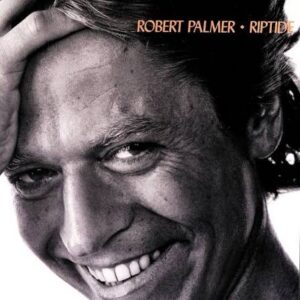
For Riptide, Palmer reunited most of the Power Station team, with Bernard Edwards producing, Jason Corsaro engineering and Tony Thompson on drums at Compass Point Studios in the Bahamas. Thompson said “Addicted to Love” was the first time anyone had spent real time working on a drum sound with him, and Corsaro set the kit up facing out through the studio’s open doorway into the hallway. You can hear it in the enormous, booming snare and kick that drive the song, with Palmer’s cool vocal and the guitars cutting sharply over the top.
Consolers of the Lonely – The Saboteurs (2008)
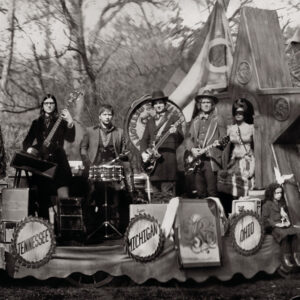
The Saboteurs (who are called something else everywhere other than Australia) recorded their second album at Blackbird Studio D in Nashville with Joe Chiccarelli engineering, then Jack White mixed it with Vance Powell. They released it less than three weeks after finishing, with no promotion, and the record swings from Zeppelin-sized riffs to the Memphis Horns and Dirk Powell’s strings. The guitars are loud, raw and full of grit, and the drums sound like they’re in the room with you, which earned Chiccarelli, Powell and White the Grammy for Best Engineered Album.
You can read our first list of 20 of the best-mixed albums here