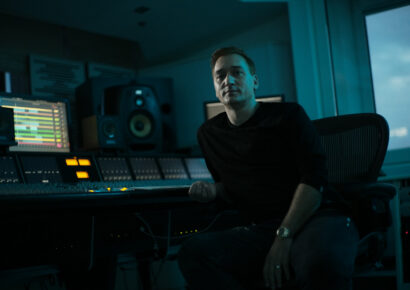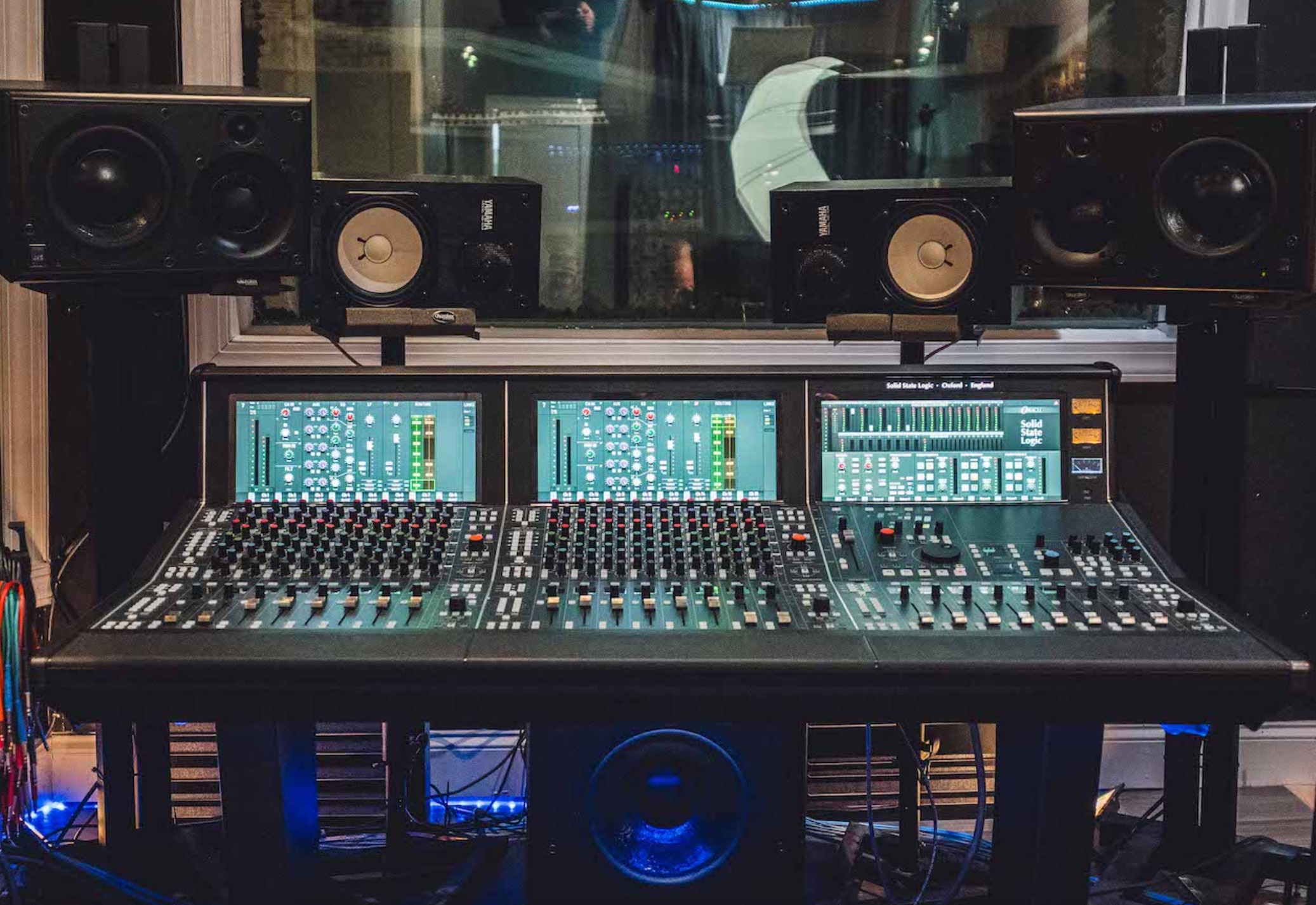
Chattanooga's Arch Audio Recording Studio has become the first in the United States to host a commercial tracking session on the Solid State Logic Oracle, SSL's 48-channel Future Analogue in-line mixing console.
When Mark Hutchinson installed an SSL Oracle at his Arch Audio Recording Studio in Chattanooga, Tennessee, he didn’t ease into it. The 35-plus-year industry veteran went straight to a two-day tracking date with a full band: country soul artist Tyson Leamon and Rock & Roll Hall of Fame inductee Willie Kitchens, former lead singer of The Impressions. That session made Arch Audio the first studio in the United States to run a commercial tracking date on SSL’s new Future Analogue platform.
Catch up on all the latest news here.
The Oracle is a 48-channel in-line mixing console built around SSL’s ActiveAnalogue™ technology, which gives engineers total digital control over fully analogue circuitry. The headline feature is instant recall: every setting across the console, from the 16 bus routing switches and integrated THE BUS+ to the 4-band E/G series parametric EQ and 10 aux sends, snaps back exactly where you left it. This is especially important for a session jumping between two songs with markedly different setups. “You don’t have to worry about any of your analogue settings — everything just pops right back up. The Instant Recall really is a big deal; it significantly enhances how the artist, engineer, and studio interact with the console,” Hutchinson says.
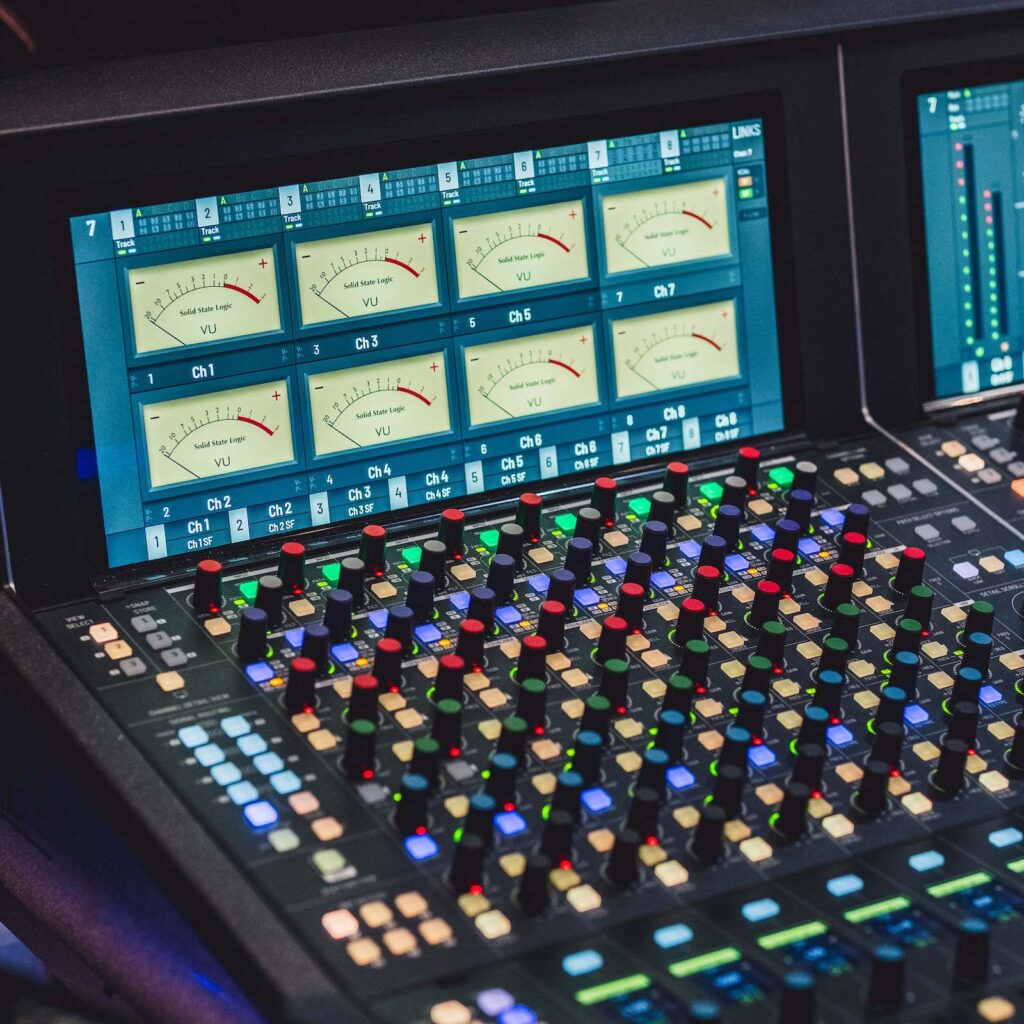
The console’s two motorised 8-channel fader bays can be assigned independently to any bank of inputs, and they don’t need to be contiguous. Hutchinson could place drums on channels one through eight and jump to channels 25 to 32 on the second bank, or assign DAW control to one bay and full analogue control to the other. Channel names appear both at the fader and on the high-resolution meter bridge screens, which can display plasma-style bargraph or classic VU meters alongside EQ, processing and routing information. “You never have to wonder; you know what fader you’re touching, because it’s named right there in two places.”
Sonically, Hutchinson has no complaints. “I’ve got a C7 grand piano and I can tell you for a fact, that’s the best that piano has ever sounded.” The PureDrive preamps drew particular praise – “just golden” – and the console’s 4-band EQ, switchable between SSL E and G series curves, did its job without getting in the way. “I was just getting the tones that I liked and not paying that much attention to the technical aspect of it – this is really when you know you’re in front of a well-designed console with fifty years of dev behind it.”
Despite its feature set, the Oracle keeps a relatively small footprint by housing analogue components in a remote rack. A 48-channel console capable of handling up to 112 inputs at mixdown that doesn’t dominate the room is a practical engineering decision.
For local enquiries on Solid State Logic, head here.