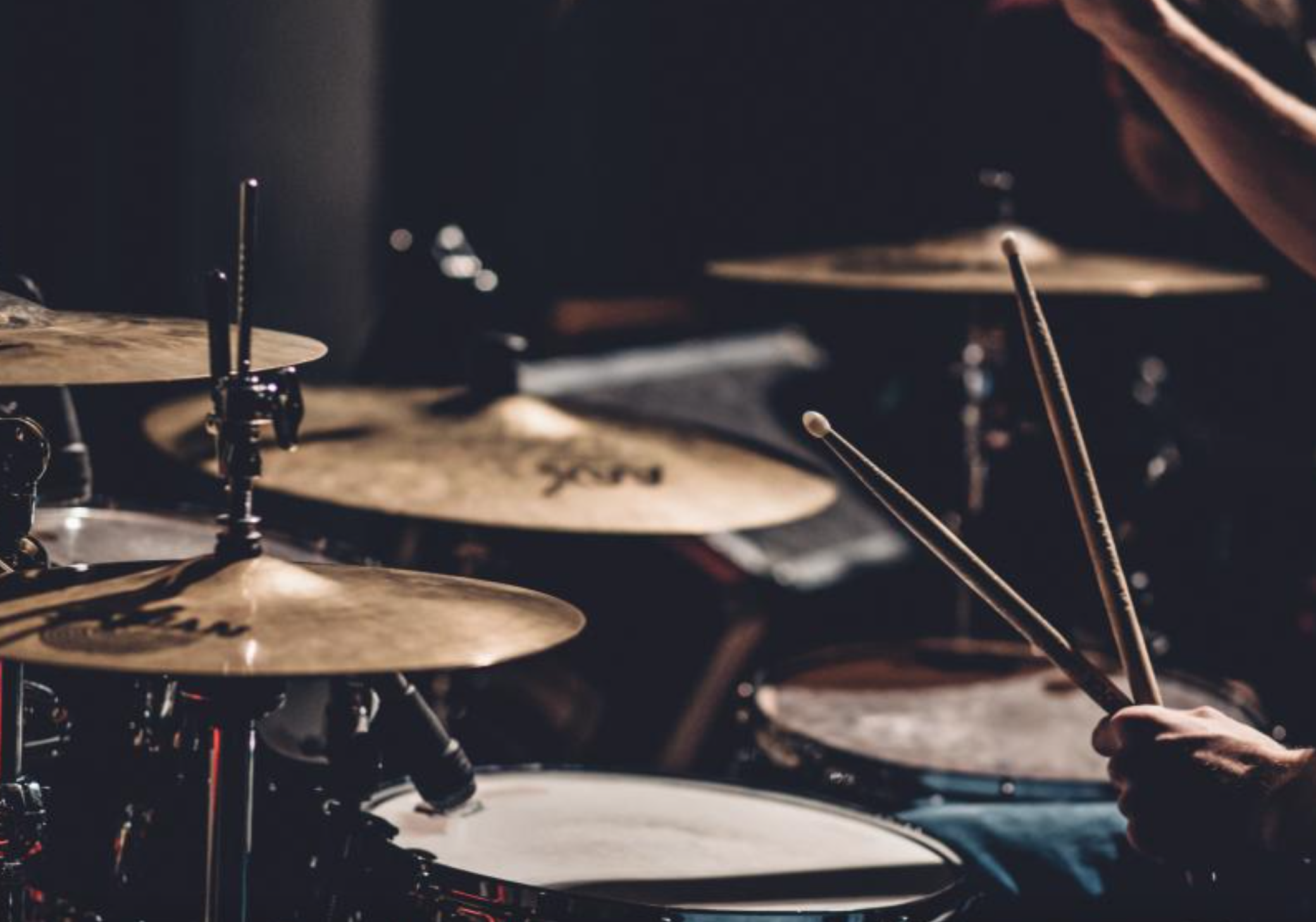
New year, new kit. Whether you're picking up sticks for the first time or finally upgrading to an intermediate setup, here's a straightforward guide on what to look for when you're ready to buy a drum kit.
As a drummer, I’ve battled with the age-old question: which drum kit should I buy?
In my years of playing, I’ve come across plenty of kits—some that literally tip over mid-set at the local bar, some I want to take home with me and play forever. There’s also a middle ground, too. There are kits that have looked great, sounded great, and felt great, but I suspect they’re not right for my style.
Whether you’re just picking up sticks for the first time or looking to upgrade your setup, buying a drum kit can feel overwhelming. With so many options across different price points and configurations, knowing what to look for is half the struggle. Here’s a breakdown of what you need to consider based on where you’re at in your drumming journey.
Read up on all the latest features and columns here.
Beginner kits
If you’re new to drumming, you don’t need to drop thousands on a professional setup. Beginner kits are designed to be affordable, durable, and straightforward—perfect for learning the basics without overcomplicating things.
What to look for
- Complete kits: Look for a kit that includes everything you need to start playing—bass drum, snare, toms, hi-hat, cymbals, hardware, and a throne. This saves you from piecing together components separately.
- Durability over tone: At this level, focus on sturdy shells and reliable hardware rather than premium wood or exotic finishes. You want something that can take a beating as you develop your technique.
- Standard sizes: A typical beginner setup includes a 22″ bass drum, 12″ and 13″ rack toms, a 16″ floor tom, and a 14″ snare. These sizes are versatile and easy to play.
- Adjustability: Make sure the kit has adjustable stands and pedals so you can play in a comfortable position while learning.
- Reputable brands: Stick with trusted names like Pearl, Yamaha, Tama, or Ludwig. Their entry-level kits offer solid value and won’t fall apart after a few practices.
Beginner kits typically range from $600 to $1,200 AUD, and while they won’t have the sonic depth of professional gear, they’re more than capable of getting you started. If you’re looking for a bargain, scout secondhand swap music shops, Facebook Marketplace, or local music groups online.
Intermediate kits
Once you’ve got the basics down and you’re ready to take your playing more seriously, an intermediate kit offers better tone, more configuration options, and improved hardware. This is where you can start thinking about your sound and style. For example, what tone do you want? What aesthetic suits your style, or band?
What to look for
- Better shell materials: Intermediate kits often use higher-quality woods like birch or maple, which produce warmer, more resonant tones. Pay attention to shell thickness—thinner shells generally offer more tonal depth.
- Upgraded hardware: Look for double-braced stands, smoother pedals, and more reliable tension rods. These details make a noticeable difference in playability and tuning stability.
- Customisation: At this level, you can start experimenting with different drum configurations—adding extra toms, upgrading cymbals, or swapping out the snare for something that fits your style.
- Better cymbals: Entry-level cymbals are often the weak link in beginner kits. Upgrading to intermediate cymbals (like Zildjian A series or Sabian AA) will dramatically improve your overall sound.
Intermediate kits typically run between $1,200 and $2,300 AUD. This is the sweet spot for players who are gigging occasionally, recording at home, or just want a kit that sounds and feels professional.
Professional & studio kits
If you’re recording professionally, gigging regularly, or just want the absolute best sound and build quality, a professional kit is the way to go. These kits are built for serious players who demand top-tier tone, durability, and aesthetics.
What to look for
- Premium shell materials: High-end kits use carefully selected woods like maple, birch, or exotic options like bubinga. The shells are often thinner, producing richer, more resonant tones with better sustain.
- Bearing edges: The way the drum’s edge is cut dramatically affects the tone. Professional kits feature precision-cut bearing edges that enhance resonance and tuning range.
- Hardware quality: Everything from the lugs to the hoops is built to last. Look for die-cast hoops, heavy-duty tension rods, and stands that won’t slip or rattle.
Professional kits start around $3,000 AUD and can easily exceed $7,500 AUD or more depending on the brand and configuration. Brands like DW, Gretsch, Ludwig, and Sonor dominate this space, offering instruments that are built to last a lifetime.
Portable kits
If you’re frequently travelling, whether to gigs or practices, playing small venues, or just tight on space, a portable drum kit might be your best option. These kits prioritise compact size and easy transport without sacrificing too much in terms of playability.
What to look for
- Compact sizes: Portable kits feature smaller drums—often an 18″ bass drum, 10″ and 12″ toms, and a 13″ snare. They’re easier to pack and set up quickly.
- Lightweight hardware: Look for kits with lighter stands and compact mounting systems that break down easily. Some models even feature collapsible bass drum pedals.
- Nesting shells: Some portable kits are designed so the drums nest inside each other for ultra-compact storage and transport.
- Durability: Since these kits will see a lot of movement, make sure the hardware is solid, and the shells can handle frequent packing and unpacking.
- Versatility: Despite their size, portable kits should still deliver a full range of tones. Look for models with quality shells and decent tuning options.
Portable kits range from $750 to $1,800 AUD. They’re ideal for busking, rehearsals, small gigs, or situations where a full-size kit just isn’t practical.
Electronic kits
Electronic drum kits have come a long way. They’re no longer just practice tools, but legitimate performance instruments with features you can’t get in an acoustic kit. If you need to practice quietly, want built-in recording capabilities, or love exploring different sounds, an electronic kit is worth considering.
What to look for
- Mesh heads vs. rubber pads: Mesh heads feel much closer to acoustic drums and respond better to dynamics. Rubber pads are cheaper but less expressive.
- Module quality: The brain of the kit determines your sound options. Look for modules with a wide range of kits, customisation options, and the ability to load your own samples.
- Connectivity: MIDI output, USB connections, and Bluetooth capabilities let you connect to recording software, virtual instruments, or backing tracks.
- Feel and responsiveness: If possible, try before you buy. Pay attention to how the pads respond to different stick techniques—rim shots, cross-sticking, and dynamic playing should all feel natural.
- Kick pedal quality: The bass drum pad and pedal should feel stable and responsive. Cheaper models often have flimsy kick towers that move around while playing.
- Expandability: Can you add extra pads or cymbals later? Some modules support expansion, giving you room to grow.
Electronic kits range from $750 AUD for basic models to $4,500+ AUD for professional setups. They’re perfect for apartments, townhouses, home studios, or anyone who wants maximum versatility in a compact package.
Buying second-hand: What to look for
Buying used drums can save you a whole heap of money, but you need to know what to watch out for. Check for cracks in cymbals and shells. Surface wear, scratched finishes, and minor dings are fine and expected on used gear, but structural damage that affects tone or stability is a red flag. Pay close attention to bearing edges on drums (the part where the drumhead sits). If they’re chipped or uneven, the drum won’t tune properly. Test the hardware too—make sure stands lock securely, pedals move smoothly, and the tension rods aren’t stripped.
General rules of thumb
Focus on the essentials
When you’re starting out, you don’t need four toms, a double kick pedal, and a dozen cymbals. Stick with the basics: a bass drum, snare, one or two toms, hi-hats, and a crash or ride cymbal. You can always expand later once you know what sounds you’re after.
Tone over aesthetic
A kit can look incredible but sound average. Unless you’re a total beginner and not too fussed about tone yet, prioritise how it sounds over how it looks. Plenty of kits offer both style and substance, but it’s best not to get too caught up in a nice finish that you ignore what the kit will actually sound like.
Cymbals: buy what you love
Cymbals are one area where you can’t compromise. You can tune drums to taste, but you’re stuck with whatever sound a cymbal makes. Buy cymbals you genuinely love the sound of within your budget, even if it means saving up a bit longer.
Sticks: size matters
Drumstick size affects your playing more than you’d think. Heavier sticks (like 5B or 2B) give you more power and volume but can tire you out faster. Lighter sticks (like 7A) offer more speed and finesse but less punch. Most drummers start with 5A sticks—they’re the middle ground and work for nearly every style. Experiment with a few sizes to find what feels right in your hands.
Choose your hardware wisely
Hardware comes in two main categories: lightweight and portable, or heavy-duty and stable. Lightweight stands are easier to transport and great for gigging, but they can feel less solid and may not hold up to heavy playing. Heavier, double-braced hardware is rock-solid and built to last, but adds weight to your setup. Think about how you’ll use your kit—if you’re mostly playing at home or in a studio, go heavy. If you’re hauling gear to gigs regularly, lighter hardware might be the smarter choice.
The right drum kit depends on your skill level, budget, and how you plan to use it. Beginners should focus on complete, durable kits that let them learn without barriers. Intermediate players benefit from better materials and hardware that enhance their sound. Portable kits offer convenience without sacrificing too much playability. Electronic kits provide silent practice and modern features that acoustic kits can’t match. And professional kits deliver uncompromising sound and build quality for serious drummers.
No matter where you’re starting, the most important thing is to find a kit that motivates you to sit down and play. And at the end of the day, the best drum kit is the one that gets used.
