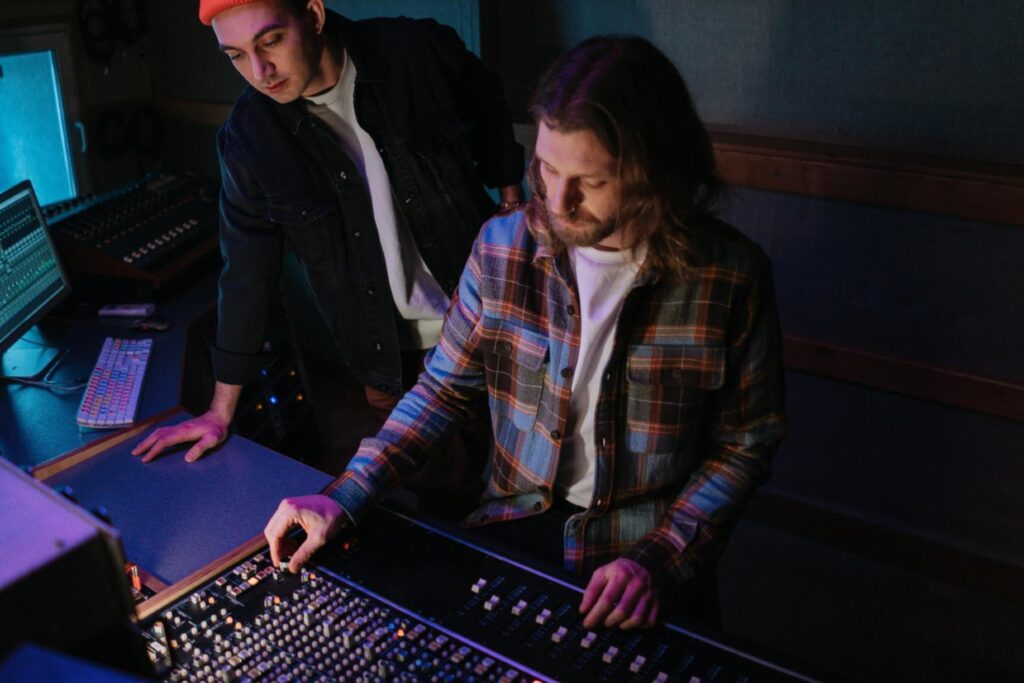
From Bob Clearmountain’s stairwell reverb to a Strokes vocal sung through a practice amp, these records show what happens when the person behind the desk gets it right.
These 20 albums, in no particular order, cover everything from glossy 80s sophisti-pop to garage rock recorded in a basement, and each one shows that the sound of our favourite albums keeps us coming back just as much as the songs.
Avalon– Roxy Music (1982)
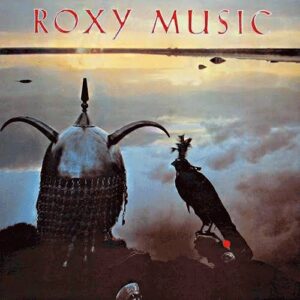
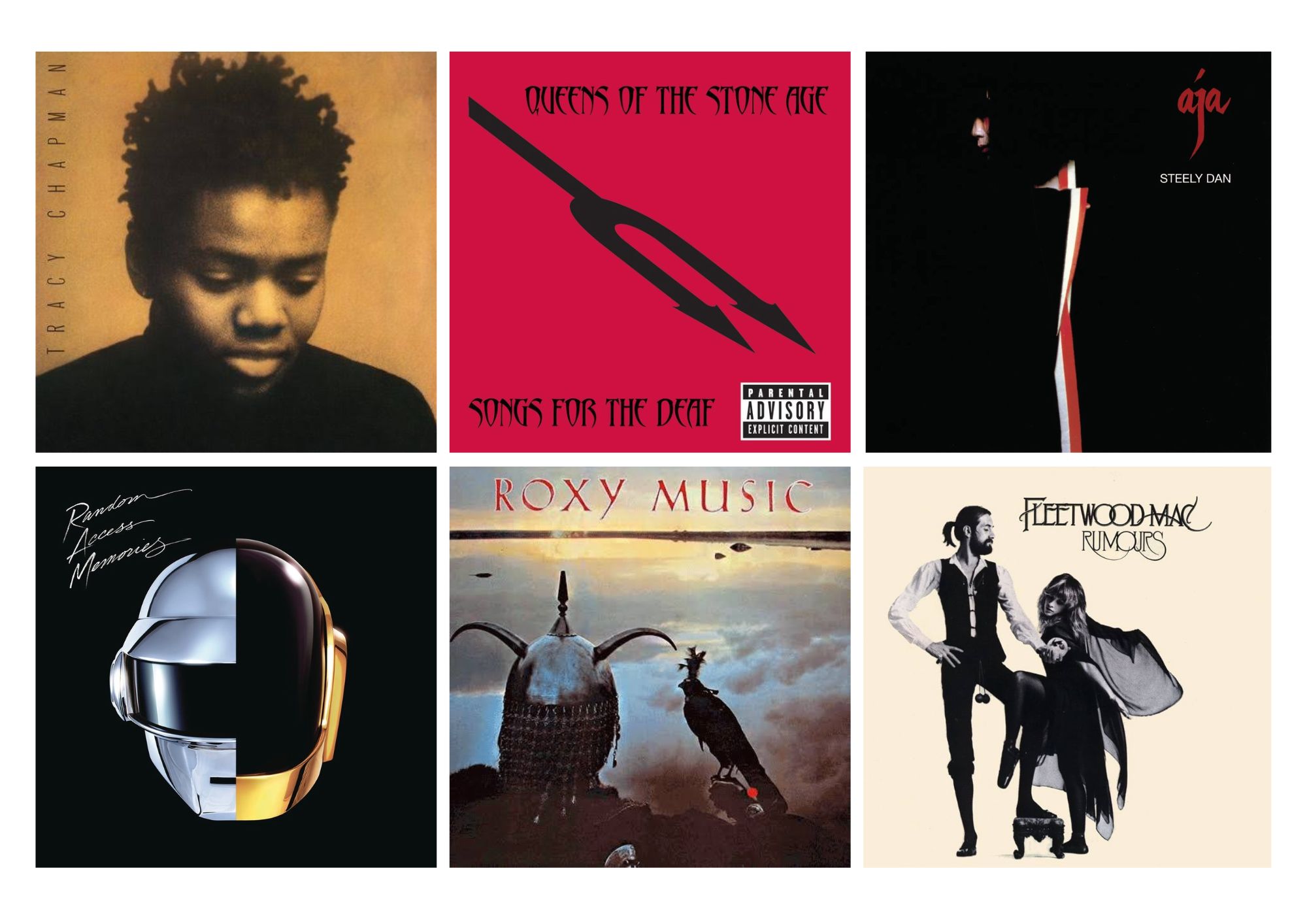
Bob Clearmountain mixed Avalon at New York’s Power Station at a pace of about two songs a day, and the studio’s stairwell, which he used as a four-second reverb chamber, is a big part of why the album seems to float the way it does. The band built the songs from grooves rather than finished compositions, and Clearmountain’s mix gives every synth pad, saxophone line and Bryan Ferry croon a crisp edge with plenty of room to drift. A place for everything and everything in its place.
Back in the High Life – Steve Winwood (1986)
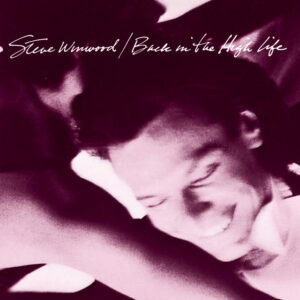
Tom Lord-Alge’s engineering on Back in the High Life won him a Grammy, and “Higher Love” makes it easy to hear why. It packs horns, percussion and a wall of backing vocals into a dense arrangement that still punches through, and the whole album carries the bright, expensive polish that came to define mid-80s radio, without ever sounding cluttered. We’ve heard this one putting a PA through its paces once or twice in our day.
Songs for the Deaf – Queens of the Stone Age (2002)

Dave Grohl’s drums were tracked in a small, dead-sounding booth, and he played every song twice so the cymbals could be recorded separately and blended back in afterwards. The result is one of the tightest, driest drum sounds ever recorded. Combine that with c-tuned guitars with a heavy midrange focus and you get the incredibly unique sonic tapestry that is Songs For The Deaf. Hard hitting with zero mush and all tied together by the band’s iconic fake radio interludes.
Rumours – Fleetwood Mac (1977)
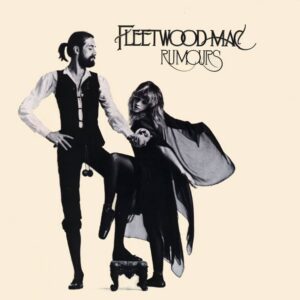
Made in a haze of breakups and excess, Rumours has no business sounding as immaculate as it does. Ken Caillat and Richard Dashut, co-producing with the band, captured crisp acoustic guitars, a warm and full drum sound from Mick Fleetwood and harmonies so tightly blended that it’s hard to believe the singers could barely stand to be in the same room.
Nevermind – Nirvana (1991)
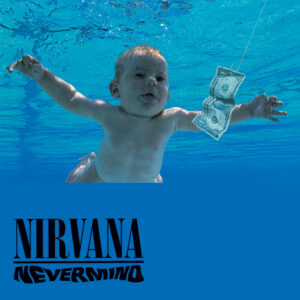
Nevermind is the work of two people at the top of their game. Butch Vig tracked the album at Sound City in Van Nuys, capturing the band’s raw power and coaxing Kurt Cobain into double-tracking his vocals and guitars by pointing out that John Lennon did the same. Andy Wallace’s mix then turned those performances into drums and guitars big enough to fill arenas. Cobain later complained that the album sounded too slick, but the pair’s combined work is a big part of how a Seattle punk band ended up exploding into the mainstream.
So – Peter Gabriel (1986)
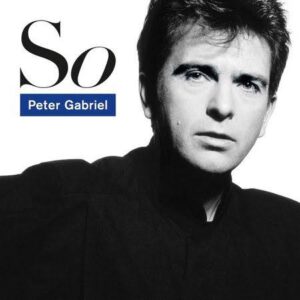
Daniel Lanois and engineer Kevin Killen started work on So in a barn studio at Gabriel’s home in Somerset, with an SSL console and a pair of Studer 24-track machines, before finishing the overdubs at the Power Station in New York. The mix balances Gabriel’s Fairlight textures against a very human rhythm section, and Manu Katché’s one-take drum part on “Sledgehammer” sits perfectly against the horns. An incredibly clear and full sounding record.
Off the Wall – Michael Jackson (1979)
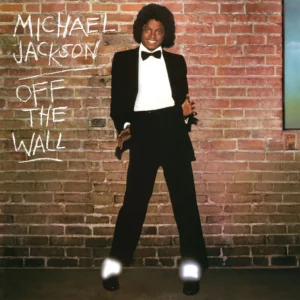
Bruce Swedien engineered and mixed Off the Wall for Quincy Jones, and his approach gave disco a clarity it had rarely had before. The bass lines snap, the strings shimmer and Jackson’s voice sits right on top of it all, setting up a formula the pair would take further three years later on Thriller, but perhaps with a slightly less human element than its predecessor. “Don’t Stop ’til You Get Enough” in particular is often cited as potentially the greatest pop mix of all time and it’s hard to disagree.
Brothers – The Black Keys (2010)
Mostly recorded at the legendary Muscle Shoals Sound Studio in Alabama, Brothers is a masterclass in mid-fi, grimey but clear when it needs to be, and Tchad Blake’s mix gives the fuzz, the crunchy drums and Dan Auerbach’s half distorted falsetto plenty of character. Where most of this list leans towards polish, Brothers shows how much depth a mix can add by keeping the dirt in.
Eye in the Sky – The Alan Parsons Project (1982)
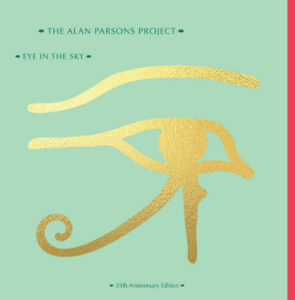
Alan Parsons engineered Pink Floyd’s The Dark Side of the Moon at Abbey Road, and he returned to the same studio for Eye in the Sky, recording to analogue tape before mixing to a digital master. The album earned a Grammy nomination for Best Engineered Album, and four decades later it’s still one of the records audiophiles reach for when they’re testing a new pair of speakers.
Aja – Steely Dan (1977)
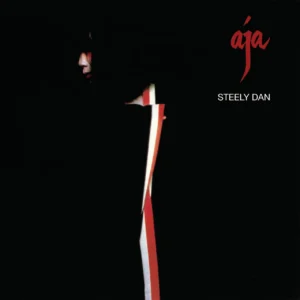
Walter Becker and Donald Fagen chased perfection through an army of session players on Aja, often running through several drummers or guitarists before settling on a part. Engineers including Roger Nichols and Elliot Scheiner captured all of it in startling detail, and the album won the Grammy for Best Engineered Recording before becoming the go-to demo record in hi-fi shops everywhere. It remains a gold standard for clarity to this day.
Remain in Light – Talking Heads (1980)
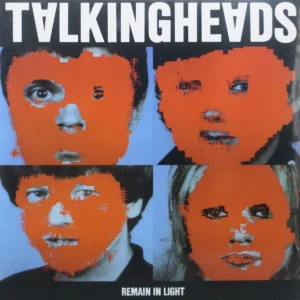
Brian Eno and the band built Remain in Light from looped sections of jams, stacking interlocking parts inspired by Fela Kuti’s Afrodisiac until the songs became dense, hypnotic grooves. David Byrne later described the band as “human samplers”, and the mixes, split between Eno’s team in New York and Byrne with Dave Jerden in Burbank, keep every one of those parts punchy and distinct.
Goodbye Yellow Brick Road – Elton John (1973)
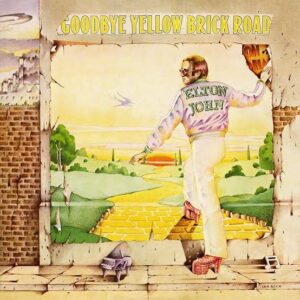
The band recorded together in one room at the Château d’Hérouville in France, and the album manages to sound live and enormous at the same time. Producer Gus Dudgeon built a wooden box around the piano to keep the drums out of its mics, while engineer David Hentschel used an early digital delay to turn a handful of handclaps on “Bennie and the Jets” into a cheering crowd. “Saturday Night’s Alright For Fighting” employs a beautifully dry, direct drum sound and a raw guitar that just screams rock and roll perfection.
Electric Warrior – T. Rex (1971)
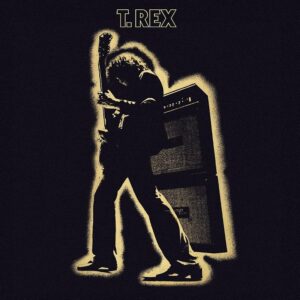
Tony Visconti produced Electric Warrior across sessions in London, Los Angeles and New York, with Roy Thomas Baker engineering, and his bag of tricks included flanging, backwards guitars, tape loops and plugging Marc Bolan’s guitar straight into the console to overload the preamps. Flo & Eddie’s androgynous backing vocals and Visconti’s string arrangements sit around Bolan’s voice, giving “Get It On” and “Cosmic Dancer” their strange, almost artificial swagger. The blending of acoustic and electric guitars alongside Bolan’s multi-tracked whispery vocals became a sonic hallmark of the glam era.
Harvest Moon – Neil Young (1992)
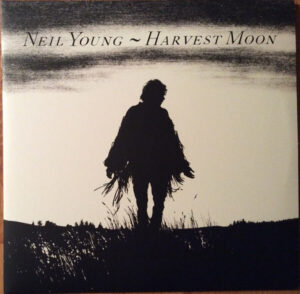
Young recorded most of Harvest Moon at Redwood Digital, a studio in a barn on his California ranch, reuniting with the Stray Gators two decades after Harvest. Tim Mulligan’s mix gives the album a soft glow, wrapping the acoustic guitars, pedal steel and brushed drums around each other so the album sounds like a lovely warm night. The harmonic riff on the title track glitters like a constellation of stars and shines through the softness of the mix in a way that is simply unforgettable.
Is This It – The Strokes (2001)
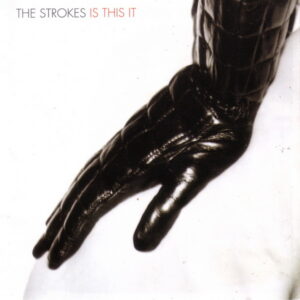
Gordon Raphael recorded and mixed Is This It as he went in his basement studio on New York’s Lower East Side, using no more than 11 tracks per song. Julian Casablancas sang partly through a small Peavey practice amp to get his distorted, telephone-like tone, and the thin, compressed sound of the record is as iconic as the songs themselves. Fabrizio Moretti’s drums are just as calculated, sounding so tight and repetitive that plenty of listeners assumed they were programmed. Moving the hi-hat about four feet away from the snare mic let Raphael gate the snare hard without any hi-hat bleed, giving it that clipped, mechanical snap.
Tres Hombres – ZZ Top (1973, original mix)
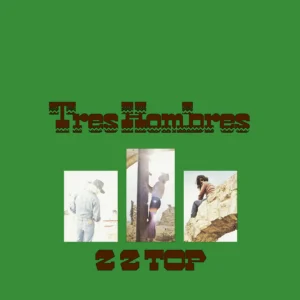
The original mix of Tres Hombres, made at Ardent Studios in Memphis with engineer Terry Manning, is dry, greasy Texas boogie at its best. It’s worth seeking out specifically, since the 1987 CD reissues added new drums and guitar effects to make it sound more contemporary, and fans had to wait until 2006 to hear the original mixes on CD again. The original mix is in your face, driving and evergreen, with tight, vacuous drums and fat double tracked guitars pushing everything along beautifully.
Tracy Chapman – Tracy Chapman (1988)
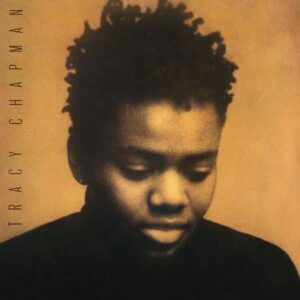
Producer David Kershenbaum chose to build Tracy Chapman’s debut around her voice and acoustic guitar, and Kevin W. Smith’s engineering and mix keep everything else in a supporting role. “Fast Car” is one of the best-recorded acoustic songs of its era, with an intimacy that makes it feel like she’s playing in the same room as you. The powerful resonance and warmth of Chapman’s voice was captured perfectly, allowing her timeless lyrics to have the spotlight they deserved.
Pet Sounds – The Beach Boys (1966, original mono mix)
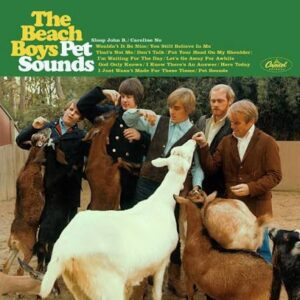
Brian Wilson made Pet Sounds to be heard in mono, partly because he was deaf in one ear and partly because he wanted control over how it sounded on any speaker. A full stereo mix didn’t arrive until 1997, but the original mono remains the definitive version, folding those layered harmonies and orchestral arrangements into one dense, beautiful wall of sound. Lush, unique and almost overwhelming, the balance between the vast amount of instruments on this record is eternally impressive.
Random Access Memories – Daft Punk (2013)
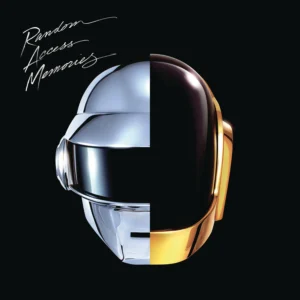
For an electronic duo, Daft Punk went to great lengths to make an album played by humans, hiring session legends and recording them to tape. Mick Guzauski’s mix keeps the drums dry and close and lets the bass line of “Get Lucky” sit right in your chest, and the album won Grammys for both Album of the Year and Best Engineered Album for good reason. This is one seriously crispy mix.
Sky Blue Sky – Wilco (2007)
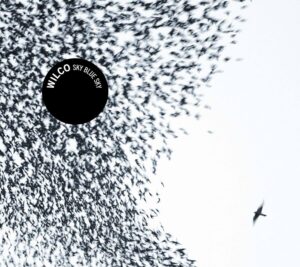
After the experimental noise of their earlier records, Wilco recorded Sky Blue Sky at their loft in Chicago, often finishing a song in a single day with very few overdubs. Jim Scott’s warm, natural mix gives Nels Cline’s guitar solos plenty of room to stretch out and take off, shimmering in a way that few lead sounds have since Television’s Marquee Moon.